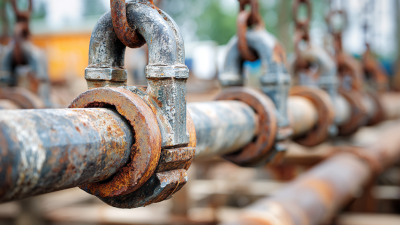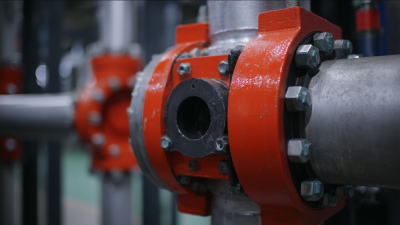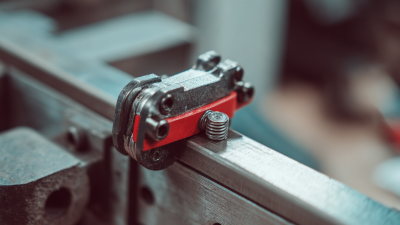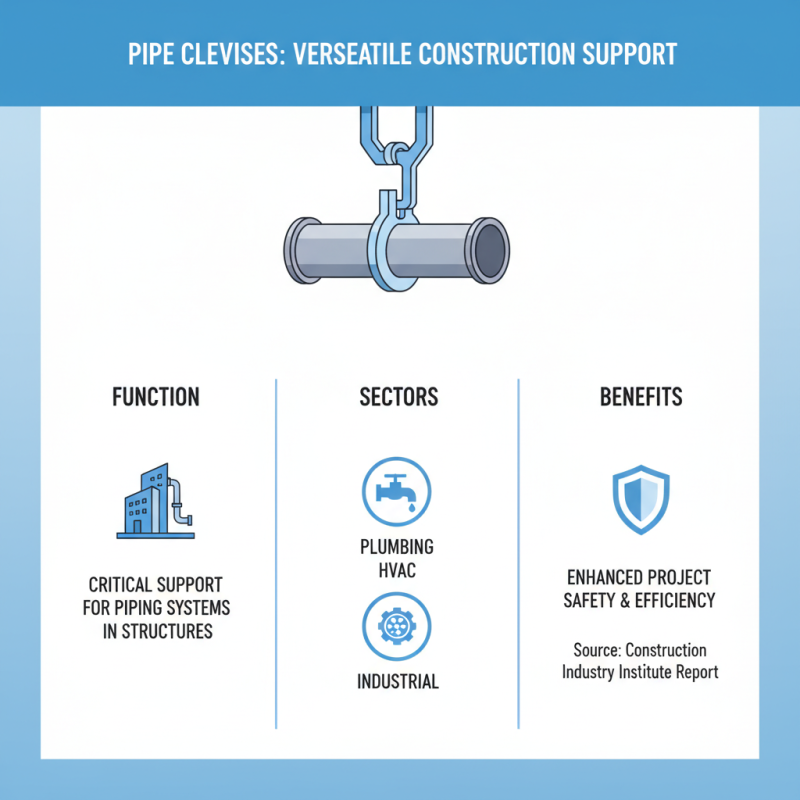
In the construction industry, the use of a Pipe Clevis is often overlooked. However, experts like John Harris, a senior engineer at ConstructTech, emphasize its importance. "A Pipe Clevis is essential for reliable support in piping systems," he states.
Many projects benefit from its stable design and strength. The Pipe Clevis provides easy installation options and reduces strain on pipes. It connects various systems while ensuring safety and durability. This tool simplifies construction challenges, making it invaluable.
Yet, there are some drawbacks. Misuse or underestimation can lead to structural issues. Some workers may not recognize its full potential. Understanding its purpose is vital for optimal performance. The Pipe Clevis deserves attention and respect in the construction field.
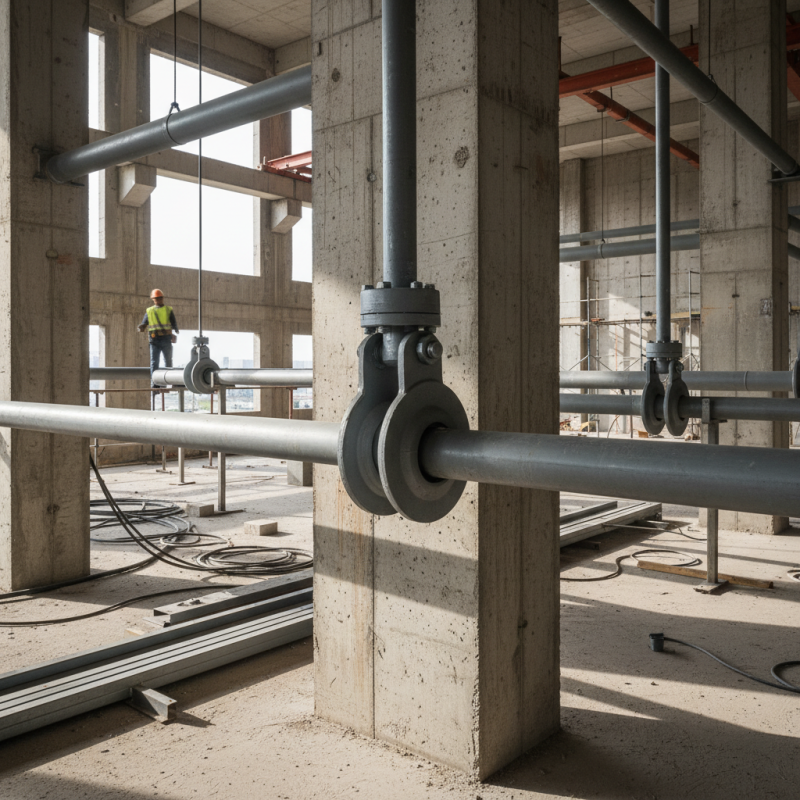
Pipe clevises offer enhanced structural support in construction. They are designed to hold pipes securely in place. This stability is essential for ensuring safety and functionality. Without adequate support, pipes may shift, leading to potential failures. A pipe clevis helps to mitigate these risks effectively.
In harsh environments, the durability of pipe clevises becomes crucial. They withstand weather variations and physical stress. Their design allows for easy adjustments, making installation straightforward. However, improper installation can lead to serious issues down the line. It is vital to ensure each clevis is positioned correctly. Regular inspections can help catch any problems early.
The versatility of pipe clevises is another advantage. They accommodate various pipe sizes and shapes, enhancing adaptability. This flexibility simplifies the construction process. Yet, there may be times when specific applications require unique solutions. It's essential to evaluate each project's needs thoroughly. In doing so, construction teams can harness the true benefits of pipe clevises.
Using pipe clevises in construction offers significant advantages, especially in load distribution and alignment.
Improved load distribution is crucial in maintaining structural integrity. Proper alignment helps ensure that loads are evenly spread across the connected components.
This reduces stress on pipes and prevents failures.
When pipes are misaligned, the results can be costly. Uneven loads lead to increased strain. In some cases, this can cause leaks or even pipe rupture.
A pipe clevis provides the necessary support for maintaining alignment. It holds the pipe securely, minimizing the risk of displacement and ensuring optimal load management.
Workers may overlook the importance of proper installation. Rushing the process can lead to alignment issues down the road.
Regular inspections can help identify and mitigate potential problems. Taking time to ensure pipes are aligned not only improves safety but also enhances the longevity of the system.
Every detail matters in construction; sometimes, small choices have large impacts.
Pipe clevises play a crucial role in construction. They provide a simple yet effective way to secure pipes and support systems. This method enhances installation efficiency. Workers can easily attach and detach pipes without complicated tools. Such simplicity saves time on projects.
Maintenance benefits also come into play. With easy access to connections, repairs are quicker. Teams can address issues without significant downtime. Instead of wrestling with complex fittings, they can remove and replace parts with ease. This efficiency reduces labor costs.
However, not every scenario is perfect. Sometimes, inadequate planning leads to improper placement of clevises. This can cause misalignment or added stress to pipes. Construction teams should frequently review their setups. Continuous improvement in handling these clevis systems is necessary for ultimate efficiency.
Pipe clevises are essential components in construction for various applications. They provide critical support for piping systems in structures, making them a versatile choice. The versatility of pipe clevis can be seen in its use across different sectors, including plumbing, HVAC, and industrial applications. A report from the Construction Industry Institute highlights the significance of proper support systems in enhancing overall project safety and efficiency.
In many projects, pipe clevises are used to anchor pipes to walls or ceilings, allowing for flexibility in installations. Their adjustable design accommodates different pipe sizes and weights. This adaptability is crucial. According to a study from the American Institute of Steel Construction, using proper support can reduce installation time by as much as 25%. This efficiency is vital in fast-paced construction environments.
However, not all installations are flawless. Improper placement of pipe clevises can lead to pipe stress and potential system failures. Regular inspections are necessary to ensure alignment and support integrity. It's imperative to balance versatility with responsibility, realizing that shortcuts can compromise safety. Evaluating the chosen metrics is essential for quality assurance. This ongoing reflection can lead to improved practices in future installations.
The cost-effectiveness of using pipe clevis in construction is noteworthy. According to the Construction Industry Institute, implementing efficient support systems can save up to 20% on project costs. Pipe clevises offer a simple solution for securely mounting pipes. This simplicity can translate to reduced labor costs during installation.
Installation often takes less time than traditional supports. A study from the American Society of Civil Engineers indicates that streamlined installation can boost productivity by up to 15%. This efficiency is crucial for large-scale projects where time is money. Additionally, durable materials used for clevises reduce the need for frequent replacements and maintenance, further cutting costs.
However, not all projects benefit equally. Some complex designs might face challenges with this method. It's essential to evaluate each project’s unique requirements. Engineers must be aware of installation variances. For instance, the load-bearing capacity of clevis systems requires thorough analysis to avoid future issues. Therefore, while pipe clevises are generally cost-effective, careful consideration is necessary for optimal results. Balancing cost and functionality can be tricky, but the benefits often outweigh the drawbacks.
| Benefit | Description | Cost-Effectiveness |
|---|---|---|
| Durability | Pipe clevis provides long-lasting support for piping systems. | Reduces need for frequent replacements, lowering long-term costs. |
| Versatility | Compatible with various pipe sizes and materials. | Minimizes need for multiple support systems. |
| Easy Installation | Simplifies the supporting and hanging process. | Saves labor costs and time during construction. |
| Reduced Maintenance | Low wear and tear leads to less maintenance needed. | Lowers maintenance expenses over time. |
| Improved Safety | Enhances stability of the piping system, reducing hazards. | Fewer accidents can lead to lower insurance costs. |
| Cost-Effective Materials | Made from readily available and affordable materials. | Initial savings lead to overall project savings. |
| Aesthetic Appeal | Provides a neat and organized appearance to pipework. | Improves overall project aesthetic, can add value. |
| Modular System | Allows for easy adjustments and expansions. | Minimizes costs for future upgrades. |
| Environmental Sustainability | Recyclable materials support sustainable construction practices. | Potential savings through green building incentives. |
| Long-Term Investment | Reduces overall cost when viewed over a project's lifespan. | Provides excellent return on investment (ROI). |