Top 10 Duct Band Clamps for Global Buyers to Consider
In the world of HVAC installation and maintenance, choosing the right Duct Band Clamp is crucial. Industry expert, John Smith, once said, "A quality duct clamp can significantly enhance system performance." This statement underscores the importance of selecting reliable clamps for any duct system.
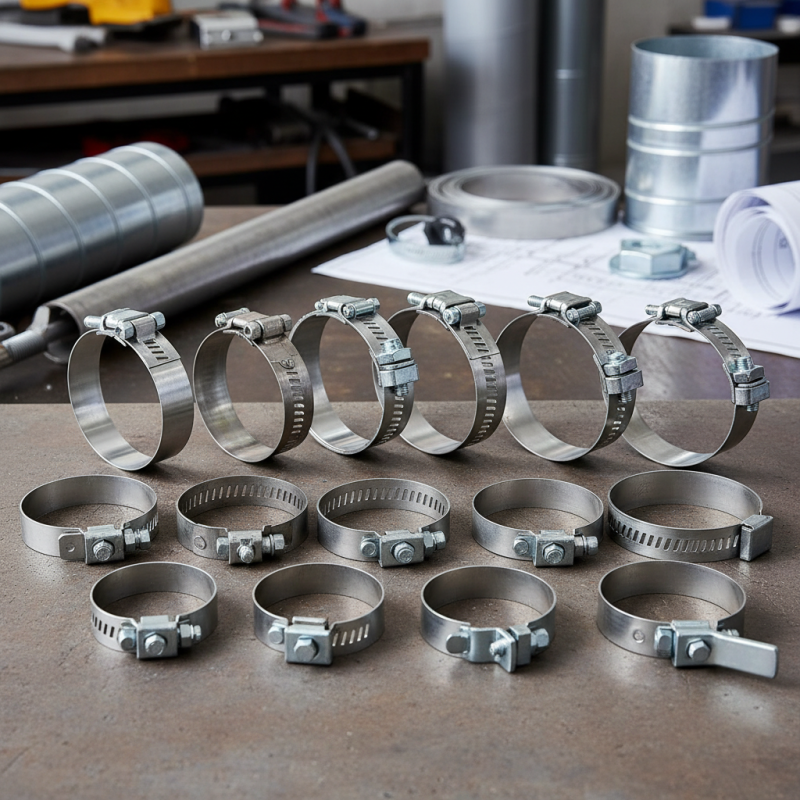
Duct Band Clamps come in various sizes and materials. Selecting the correct type can be challenging for many buyers. Often, people underestimate how a small component like a duct clamp can impact overall efficiency. Durability and ease of installation are key factors to consider.
It's essential to reflect on the available options. Not all clamps are created equal. Some may look appealing, but their performance may disappoint. Buyers should analyze product specifications and reviews to make informed choices. Quality should never be compromised for cost.
Top Characteristics of Quality Duct Band Clamps in HVAC Applications
In HVAC applications, selecting the right duct band clamps is crucial. Quality clamps enhance system efficiency and longevity. Reports indicate that 30% of HVAC system failures are linked to poor duct connections. Therefore, attention to clamp characteristics significantly impacts performance.
A quality duct band clamp must ensure a secure fit. This prevents air leakage, which is vital for energy efficiency. The material used plays a pivotal role. Stainless steel is preferred for its corrosion resistance. Data from industry studies show that using stainless steel clamps can increase duct longevity by up to 40%. Additionally, the design should facilitate ease of installation. Complex mounting can lead to installation errors, resulting in wasted resources.
Durability is another key attribute. Clamps should withstand various environmental factors, including temperature fluctuations. A duct band clamp’s ability to resist deformation under pressure is essential. Some clamps fall short in this area. Users often report issues with clamps failing to maintain the required tension, leading to leaks. Reflecting on these factors can help buyers make informed decisions.
Market Trends: Demand for Duct Band Clamps in Global Supply Chains
The demand for duct band clamps is on the rise in global supply chains. This increase is fueled by their essential role in various industries, including HVAC, manufacturing, and construction. A tight seal ensures efficient airflow and reduces energy losses. Companies are seeking reliable solutions to enhance system performance.
The versatility of duct band clamps cannot be overlooked. They come in various sizes and materials, catering to different application needs. Proper installation is crucial, as improper use can lead to leaks and increased maintenance costs. Users often express frustration when clamps fail to meet their expectations.
In recent years, sustainability has also emerged as a trend. Buyers prefer clamps made from durable, eco-friendly materials. This shift reflects a broader commitment to environmental responsibility. However, finding the right balance between cost, quality, and sustainability remains a challenge. Companies must adapt to these changing dynamics to thrive in the competitive landscape.
Comparative Analysis: Materials Used in Leading Duct Band Clamps
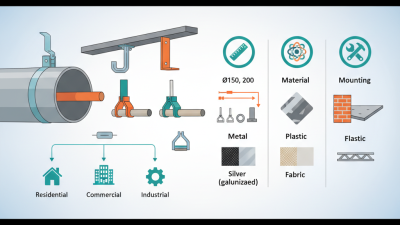
When selecting duct band clamps, the materials used can significantly impact performance. Common materials include stainless steel, galvanized steel, and plastic composites.
Stainless steel offers corrosion resistance and durability, making it a favorite for harsh environments. However, it can be more expensive and may not always be necessary.
Galvanized steel is a cost-effective option. It provides decent protection against rust but may not hold up as well in extreme conditions.
Plastic composites, on the other hand, are lightweight and resistant to corrosion. They offer an alternative for applications that do not require high strength. Each material has its pros and cons, which buyers should consider carefully.
Buyers might also consider how these materials affect installation. Some materials are easier to work with than others. For instance, stainless steel clamps often require specific tools for a secure fit.
In contrast, plastic clamps can often be installed without special equipment. Understanding these details helps ensure that buyers make informed choices that meet their specific needs.
Maintenance Best Practices for Longevity of Duct Band Clamps
Duct band clamps are essential components in HVAC systems, but their longevity often depends on proper maintenance. Regular inspection is crucial. A report from the Air Conditioning, Heating, and Refrigeration Institute states that 30% of HVAC system failures stem from poor maintenance practices. Neglecting duct band clamps can lead to air leaks, reducing energy efficiency.
To ensure duct band clamps last, keep them clean and free of debris. Dirt can harbor moisture, leading to corrosion. A study from the International Society of Air Conditioning, Heating and Refrigerating highlights that corrosion can shorten the life of clamps by up to 50%. Applying anti-corrosive spray can enhance their durability. Inspect clamps every few months for signs of wear.
Installation practices matter too. Tightening clamps too much can cause deformation or damage. Electronic torque wrenches are recommended for precise installation. They minimize human error and ensure each clamp is secure. A surprising 15% of clamp failures are due to improper installation. Recognizing these pitfalls is essential for maintaining operational efficiency in duct systems.
Top 10 Duct Band Clamps Performance Overview