What is a Pipe Clamp Holder and How Does it Work?
A Pipe Clamp Holder is an essential tool in various industries, facilitating precise work and efficient project execution. Experts like John Smith, a well-known engineer in the construction field, emphasize its importance by stating, “A Pipe Clamp Holder ensures stability and accuracy in all installations.”
In many workshops, the Pipe Clamp Holder serves as a reliable partner, securing pipes and allowing for seamless assembly. Its design is simple yet effective, providing necessary grip without damaging the surface. Many craftsmen often overlook the significance of this tool, leading to challenges in their work.
The effectiveness of a Pipe Clamp Holder relies heavily on user technique. Proper use can enhance workflow, but mistakes can lead to misalignment. Each project poses unique challenges, and the Pipe Clamp Holder helps navigate these hurdles, making it a must-have in any toolkit.
Definition and Purpose of a Pipe Clamp Holder
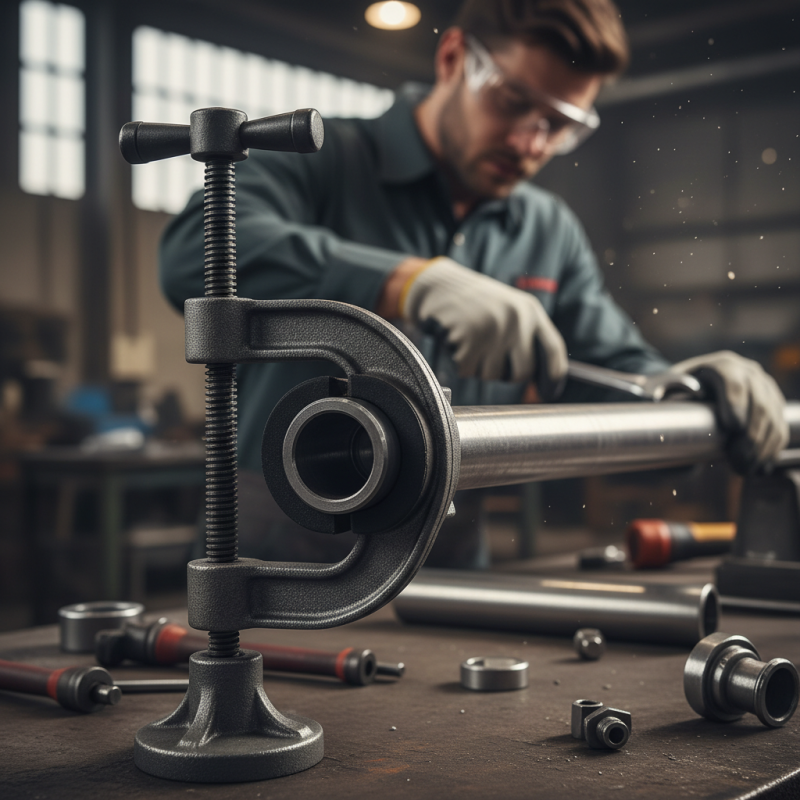
A pipe clamp holder is a versatile tool used in various applications. Its main purpose is to securely hold pipes in place while woodworking or metalworking. This helps in ensuring precision and stability during the cutting or drilling process. Pipe clamps are essential for DIY projects and professional tasks alike.
The design typically includes a sturdy frame and a tightening mechanism. As you tighten the clamp, it exerts pressure on the pipe, preventing any unwanted movement. Users should be cautious about the tightening process; too much pressure can damage the material. Observing this balance is crucial.
In woodworking, for example, pipe clamp holders allow users to create strong joints. They hold pieces together as adhesives cure. These clamps can be easily adjusted, accommodating different sizes. Such flexibility is beneficial for both small and large projects. However, improper alignment can lead to issues in the final product. Maintaining awareness of these details can make a significant difference in quality.
What is a Pipe Clamp Holder and How Does it Work? - Definition and Purpose of a Pipe Clamp Holder
| Feature |
Description |
| Definition |
A pipe clamp holder is a tool used to secure pipes or other cylindrical objects in place for various applications. |
| Purpose |
To hold pipes securely, preventing movement during cutting, welding, or assembly processes. |
| Types |
Includes C-clamp holders, toggle clamps, and specialty clamps designed for specific pipe sizes. |
| Materials |
Typically made from metal, plastic, or composite materials to provide strength and durability. |
| Applications |
Used in plumbing, construction, automotive, and manufacturing industries. |
| Operation |
Clamped around the pipe and tightened to secure the object in place using a screw or lever mechanism. |
Types of Pipe Clamp Holders Available in the Market
Pipe clamp holders are essential tools in various industries. They secure pipes for welding, cutting, or fitting. Choosing the right type can greatly impact your workflow. Several types are commonly available in the market today.
One popular type is the adjustable pipe clamp holder. This versatile tool accommodates various pipe sizes easily. According to a recent report from the American Welding Society, adjustable holders improve work efficiency by up to 30%. Their flexibility allows them to be used in tight spaces, a feature highly valued in construction.
Another type is the heavy-duty pipe clamp holder. Designed for rigorous demands, it supports large pipes securely. These holders are crucial for projects involving heavy materials. A study from the National Association of Plumbing, Heating and Cooling Contractors found that heavy-duty models reduce installation time by around 25%. Users often report a sense of security when using these models. However, they can be cumbersome, requiring more storage space. Balancing efficiency with practicality is key when selecting these tools.
Types of Pipe Clamp Holders and Their Usage
Components and Materials Used in Pipe Clamp Holders
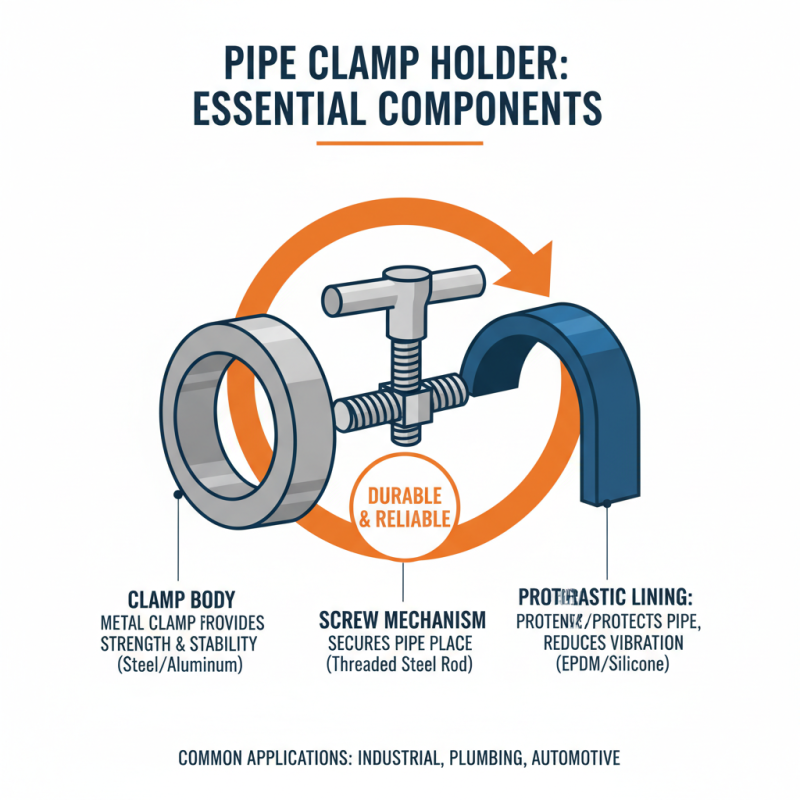
Pipe clamp holders are essential tools in various industries, often used for securing pipes in place. The design and functionality of these holders hinge on specific components and materials that ensure durability and reliability. Typically, a pipe clamp holder consists of a clamp body, a screw mechanism, and a rubber or plastic lining. The clamp body is usually made of metal, providing strength and stability.
The screw mechanism allows for easy adjustment and tightness, which is critical during installation. The rubber lining protects the pipe from damage, cushioning it against metal contact. This combination of materials results in a product that can withstand pressure and resist corrosion. However, challenges can arise. For instance, the rubber can wear out over time, leading to decreased effectiveness. Users may need to replace liners periodically, which can be overlooked.
In addition, compatibility issues might occur when using different pipe sizes. Not all clamps fit perfectly, which can create gaps and reduce the holder's efficiency. Attention to detail in selecting the right components is crucial. An oversight can lead to leaks or misalignments, causing disruptions. These aspects highlight the importance of understanding the components and materials used in pipe clamp holders, ensuring optimal performance in various applications.
How to Use a Pipe Clamp Holder Effectively
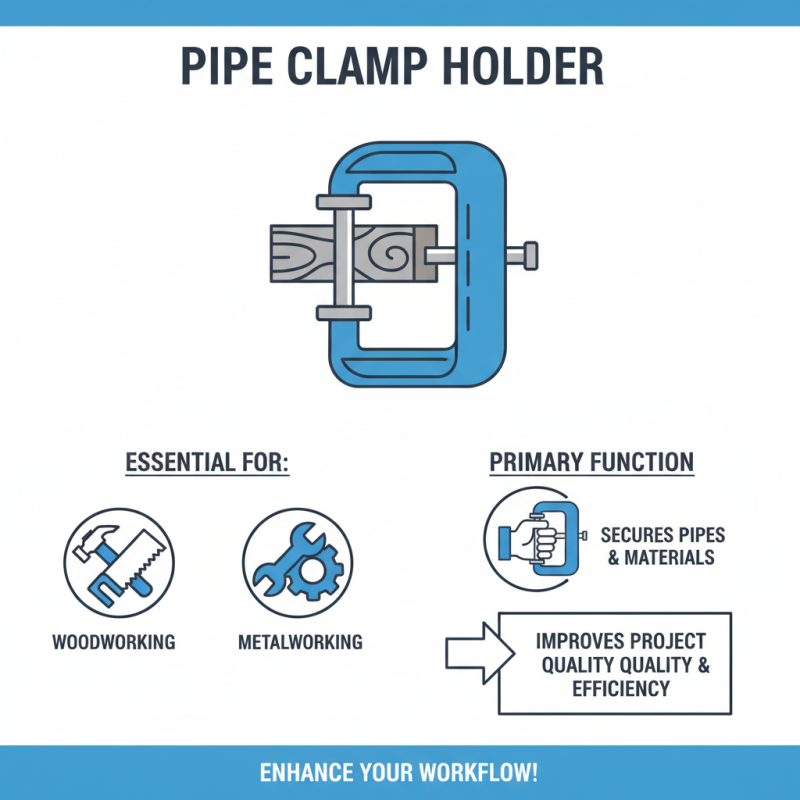
A pipe clamp holder is essential in woodworking and metalworking. Its primary function is to secure pipes and various materials while you work. Using it effectively can enhance your project’s quality and efficiency.
To use a pipe clamp holder effectively, begin by aligning the material properly. Ensure the pieces are flush and square. If they aren’t, your joints may not fit together well. According to industry reports, projects using clamps can have a 30% faster assembly time. For best results, position the clamp at an angle. This reduces the risk of slipping, ensuring a tight grip without damaging the material.
Tip: Always check the pressure applied by the clamp. Excessive force can warp the material. Use wooden blocks between the clamp and the material to distribute pressure evenly. This simple step can prevent unsightly dents.
Another suggestion is to regularly inspect your pipe clamp. Look for wear and tear. A compromised clamp may not hold securely. Research shows that addressing wear can extend the tool's lifespan by up to 40%. Pay attention to details. Small adjustments can lead to significantly better results.
Common Applications and Benefits of Pipe Clamp Holders
Pipe clamp holders serve essential roles in various industries. They securely grip pipes during work, ensuring stability. Commonly used in plumbing, construction, and woodworking, these clamps improve efficiency. In production settings, they help in assembling components. By holding pipes firmly, they allow for safer handling. Workers can focus on their tasks rather than worry about movement.
Another benefit is their versatility. Pipe clamp holders can accommodate different sizes and materials. This flexibility means they are valuable tools in many workshops. They often come in adjustable designs. However, not every clamp is suitable for every job. Some users overlook this detail and struggle with inadequate support. Regularly assessing the right clamp for the task is vital. Proper use can enhance workflow and prevent accidents.
While pipe clamp holders are useful, improper handling can lead to issues. If the clamp is too tight, it may damage the pipe. Conversely, if the grip is too loose, it could result in accidents. Workers should balance firmness and caution. Keeping these factors in mind can lead to more successful projects. Reflecting on their applications helps in improving overall efficiency.