What is No Hub Connector and How Does It Work in Smart Home Systems
In recent years, smart home systems have gained immense popularity. These systems aim to enhance convenience and security for everyday users. Among the various technologies available, the "No Hub Connector" stands out as an innovative solution. It allows devices to communicate directly without the need for a central hub.
The No Hub Connector simplifies the smart home experience. Users can easily connect various smart devices through a straightforward setup. This type of technology enables seamless interactions between products, reducing the complexity often associated with traditional smart home setups. However, some users may struggle to fully grasp its operational nuances.
There are concerns about compatibility and connectivity. Not all devices work flawlessly with the No Hub Connector. Moreover, the reliance on Wi-Fi can lead to connectivity issues in larger homes. Therefore, while the No Hub Connector presents exciting opportunities, it is essential to be cautious and informed about its limitations. Understanding these factors can lead to a more efficient and enjoyable smart home experience.
What is a No Hub Connector in Smart Home Ecosystems?
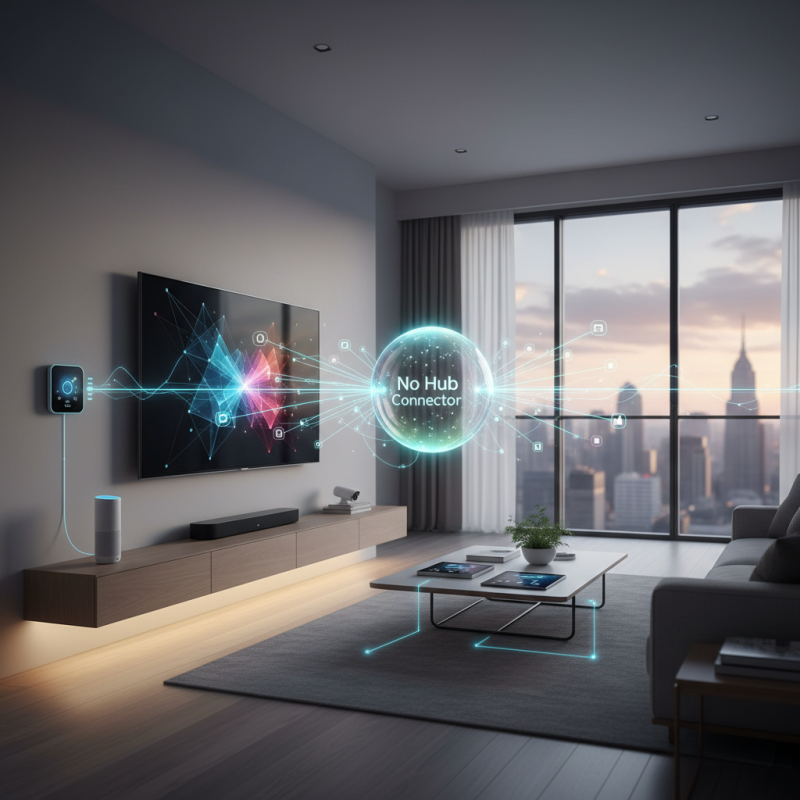
A No Hub Connector is a crucial element in many smart home ecosystems. Unlike traditional setups, it allows devices to communicate directly with your home network. This reduces complexity and makes installation easier. You can use Wi-Fi or Bluetooth for direct connections. Devices work seamlessly without the need for a central hub. This can save you money and space.
Some might find it challenging to understand which devices are compatible. Not all devices offer direct connectivity. This can lead to confusion when setting up your smart home. You may experience limitations on device range and performance. Connectivity issues can frustrate users, especially when they expect smooth interactions.
Still, the advantages often outweigh the drawbacks. Fewer components mean less chance for failure. Direct connections can also lower latency, resulting in faster response times. Users can enjoy a more intuitive experience. However, carefully checking compatibility remains essential. You don’t want to invest in devices that won't work together. Balancing ease of use and functionality is key in smart home setups.
Key Features of No Hub Connectors in Smart Home Technology
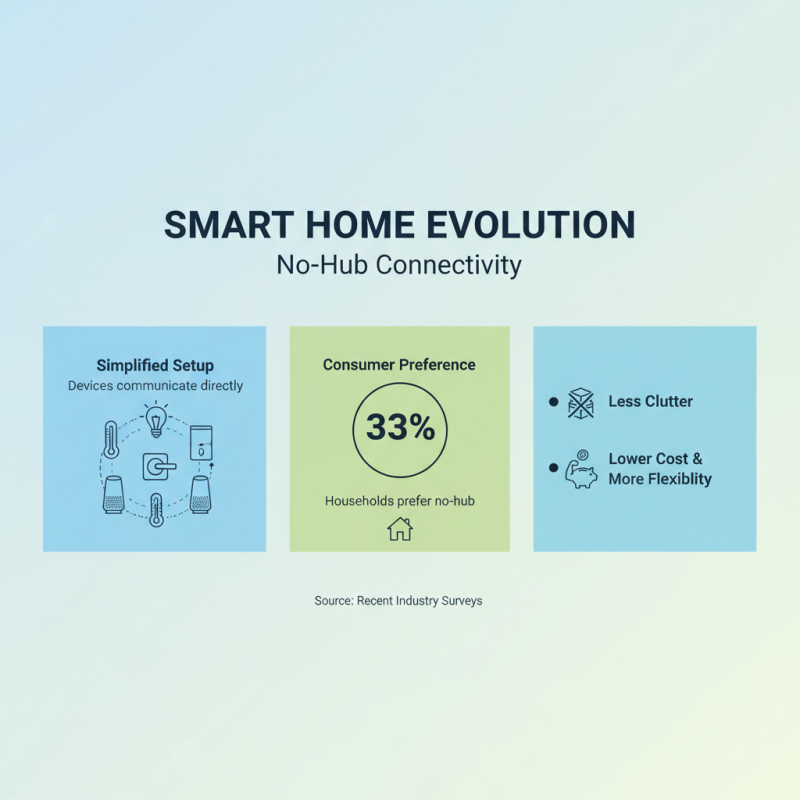
No Hub Connectors are changing the smart home landscape. These devices allow various smart gadgets to communicate without needing a central hub. Recent surveys show that 33% of households prefer this simplified approach. It reduces the clutter often associated with traditional systems. More flexibility is achieved at a lower cost.
One key feature of No Hub Connectors is their ease of installation. Users can often set up devices in minutes. Just connect to Wi-Fi and follow user-friendly steps. This makes technology more accessible. Reports indicate that 45% of users desire simpler solutions. They want straightforward interaction between devices. However, this convenience might lead to concerns. Some fear a loss of control over their smart environment.
Interoperability is another vital aspect. No Hub Connectors support a wide range of protocols. For instance, they can connect Zigbee, Z-Wave, and Wi-Fi devices. This can be impressive, yet problematic. Not all devices work seamlessly together. Users may experience compatibility issues. A recent industry study shows that 20% of respondents faced such challenges. While No Hub Connectors present an innovative solution, careful selection of compatible devices is crucial.
Benefits of Using No Hub Connectors for Home Automation
No Hub Connectors are transforming smart home systems. They allow devices to connect directly without the need for a central hub. This simplicity reduces setup time and streamlines communication. Users appreciate that they can manage multiple devices easily.
One significant benefit of No Hub Connectors is flexibility. They support various devices, creating a customizable home environment. However, compatibility issues can arise. Not every device works perfectly together, leading to frustration. Despite this, users enjoy the freedom of choosing products that fit their needs without being tied to specific brands.
Another advantage is cost-effectiveness. Without a central hub, savings can be significant. Users can purchase devices individually and avoid expensive packages. Still, some may miss the advanced features that hubs offer. It’s essential to weigh the pros and cons. No Hub Connectors often provide enough functionality for many households, but each user’s experience may vary.
What is No Hub Connector and How Does It Work in Smart Home Systems
| Feature |
Description |
Benefits |
Examples of Use |
| No Hub Required |
Devices communicate directly with each other via Wi-Fi, Bluetooth, or other protocols. |
Easier setup and reduced latency between devices. |
Smart light bulbs, cameras, and door locks connecting directly to a home Wi-Fi network. |
| Cost Efficiency |
Eliminates the need for additional hardware, reducing overall system costs. |
Lower initial investment and maintenance costs for consumers. |
Home users can invest in more devices instead of hub hardware. |
| Scalability |
Easily integrates new devices without disrupting the network. |
Flexibility to expand home automation setup as needed. |
Adding new smart sensors or cameras without reconfiguring a hub. |
| Interoperability |
Supports a variety of device brands and platforms. |
Allows users to mix and match devices from different manufacturers. |
Compatible devices from various smart home ecosystems. |
| User Control |
Allows direct control through apps without intermediary devices. |
Enhances user experience with immediate access to functionality. |
Direct control of smart home features through mobile applications. |
Popular No Hub Connector Brands and Their Specifications
No hub connectors are transforming how smart home systems function. These devices enable direct communication between smart gadgets. This eliminates the need for a central hub. Users appreciate the flexibility and ease of setup. However, not all no hub connectors are created equal.
Popular brands offer various specifications. Some focus on compatibility with multiple devices. Others prioritize energy efficiency or user-friendly apps. It’s crucial to assess the range and interoperability. Poor signal issues are common. Not all homes have the same internet strength.
Finding the right no hub connector may require trial and error. Testing different options can lead to better results. Users often report inconsistent connections. This highlights the importance of thorough research. Evaluate user reviews and product details before making a choice. A little patience and effort can lead to a more efficient smart home.
No Hub Connector Performance in Smart Home Systems
Future Trends in No Hub Connector Technology in Smart Homes
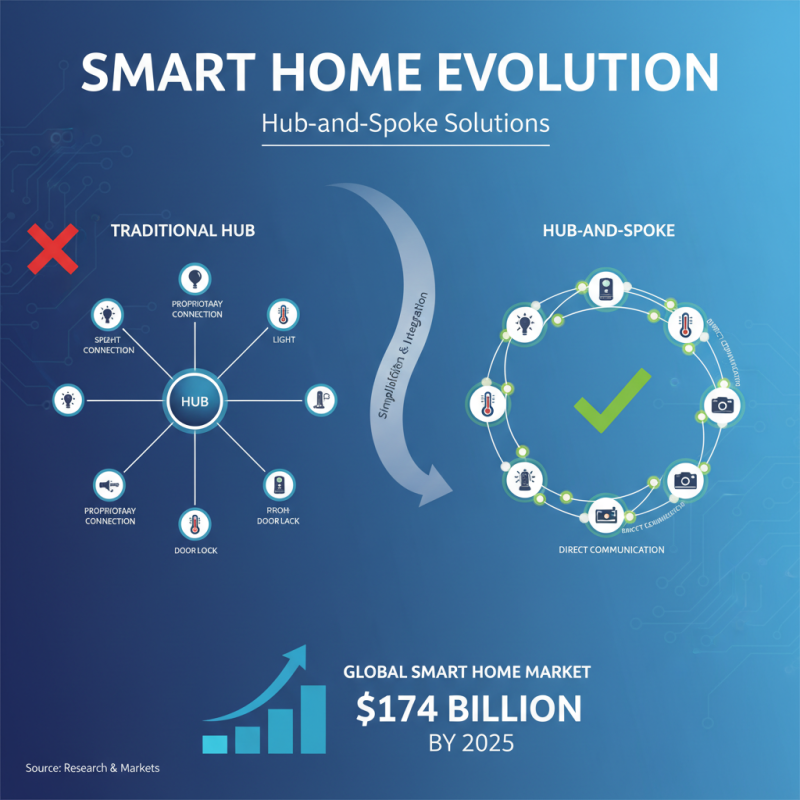
As smart home technology continues to evolve, no hub connector solutions are gaining traction. These devices allow different smart home products to communicate directly, eliminating the need for a central hub. According to a recent report by Research and Markets, the global smart home market is expected to grow to $174 billion by 2025. This indicates a strong consumer shift towards simpler, more integrated solutions.
Future trends show an increasing focus on interoperability. Devices from various manufacturers will communicate seamlessly. Analysts project that by 2024, nearly 70% of smart devices will support direct connectivity through no hub solutions. This could mean easier setup and enhanced user experiences. However, challenges remain. Standardization across platforms is still an issue. Consumers may struggle with compatibility, leading to confusion and frustration.
Security is another concern. As more devices connect directly, vulnerabilities could arise. A study by the Cybersecurity and Infrastructure Security Agency highlighted that 25% of smart home devices lack proper security features. This reality demands ongoing reflection on how to enhance safety while embracing convenience. The shift towards no hub connectors highlights both exciting potentials and critical considerations for the future of smart home ecosystems.