Why is Hub Coupling Important for Mechanical Systems?
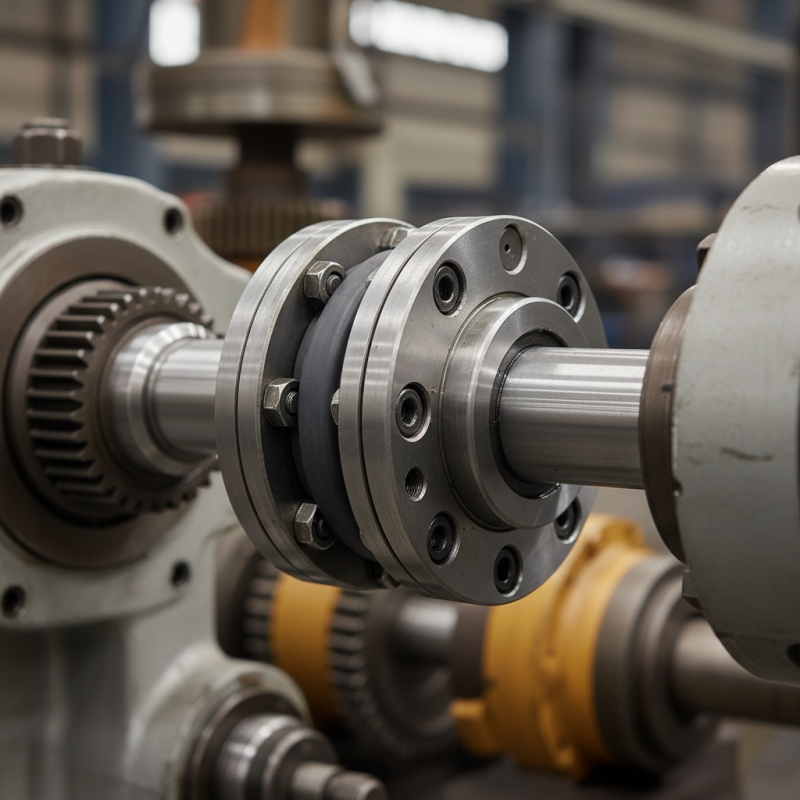
Hub Coupling plays a vital role in mechanical systems. It acts as a connection point between two rotating shafts. This component helps transmit power effectively while accommodating misalignments.
Without Hub Coupling, machines may face operational issues. Vibration increases, leading to wear and tear. A well-functioning hub coupling ensures smooth motion and enhances system efficiency. However, improper selection or installation can lead to failures. It’s crucial to choose the right type based on specific needs.
In conclusion, understanding the significance of Hub Coupling is essential. It may seem simple, yet its impact is profound. Regular maintenance and careful consideration can prevent complications. Thus, the importance of Hub Coupling cannot be overlooked in mechanical design.
Understanding Hub Coupling in Mechanical Systems
Hub coupling plays a critical role in mechanical systems. It connects various components, allowing them to work together. This connection helps transmit torque and power efficiently. Without proper coupling, devices may experience misalignment. This misalignment can lead to wear and tear over time.
Understanding hub coupling involves recognizing its types and applications. Rigid, flexible, and disc couplings each serve different purposes. Flexible couplings can absorb vibration and shock, which is essential in high-speed operations. However, they can wear out if not maintained. Regular inspections are necessary to ensure they function properly.
The choice of hub coupling affects system performance. An incorrect selection can cause inefficiencies, leading to increased downtime. It's vital to consider load capacity and environmental factors. Reflecting on these aspects can improve system reliability. Proper use of hub couplings not only enhances performance but also extends the lifespan of mechanical systems. Managing these connections well is key to overall success.
The Role of Hub Coupling in Torque Transmission
Hub coupling plays a critical role in mechanical systems, particularly in torque transmission. It connects different components, enabling the transfer of rotational force. A well-designed hub coupling ensures efficient power transfer between parts like motors and gears. Without it, energy loss occurs, leading to reduced performance and potential mechanical failure.
In many systems, the alignment of the coupling is crucial. Misalignment can increase wear and tear, affecting longevity. Small angular errors, sometimes overlooked, can have significant effects on torque transmission. Engineers should be mindful of these details during installation and maintenance. Regular inspections help identify misalignments early. The consequences of neglecting these can be severe, resulting in costly repairs and downtime.
Yet, not every coupling works seamlessly under all conditions. Variations in load and speed can alter performance. In extreme cases, vibrations can form, leading to further issues. It’s essential to evaluate each application's specific needs. Proper engineering analysis helps in choosing the right coupling type. Understanding the limitations and capabilities of hub couplings is vital. This knowledge can provide significant advantages in maximizing efficiency and reliability in mechanical systems.
Importance of Hub Coupling in Torque Transmission
Types of Hub Couplings and Their Applications
Hub couplings play a vital role in mechanical systems. They connect shafts and transmit torque while accommodating misalignment. There are various types of hub couplings, each suited for different applications.
Flexible couplings are widely used in automotive industries. They allow a degree of misalignment and damping, which is crucial for reducing vibration. In fact, reports show that over 30% of mechanical failures are due to alignment issues. Rigid couplings, on the other hand, are more straightforward. They provide a solid torque transmission but cannot compensate for misalignment. Their application is common in pumping systems where precision is essential.
Another type is the elastomeric coupling. These couplings can absorb shocks and vibrations, making them ideal for industrial machines. Research indicates that systems utilizing elastomeric couplings show a 15% increase in lifespan compared to those using rigid couplings. However, choosing the wrong type can lead to inefficiencies. It's clear that understanding the right application is crucial. Misjudgments in coupling selection often result in significant downtime and maintenance costs.
Benefits of Using Hub Coupling in Mechanical Design
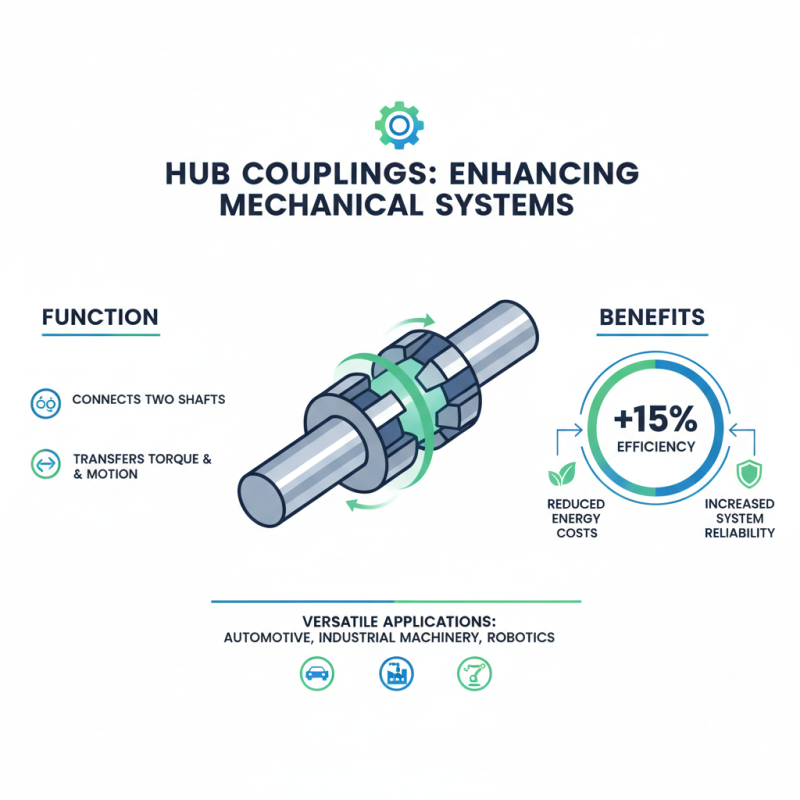
Hub coupling plays a crucial role in mechanical systems. It connects two shafts, allowing for the transfer of torque and motion. This flexibility is vital in various applications, from automotive to industrial machinery. Studies show that proper coupling can increase system efficiency by up to 15%. This is significant for industries looking to reduce energy costs.
The benefits of using hub coupling in mechanical design are manifold. For instance, they can handle misalignment well. Misalignment often leads to increased wear and tear. According to a recent industry report, systems that implement proper couplings experience a 20% reduction in maintenance costs. These savings can drastically improve a project’s ROI over time.
Hub coupling also contributes to shock absorption. This feature protects sensitive components from unexpected loads. Reports indicate that machinery with effective shock-absorbing couplings have a 30% longer lifespan. However, selecting the right type remains a challenge. Engineers need to carefully evaluate their system's specifications. Even minor miscalculations can lead to performance issues.
Common Challenges and Solutions in Hub Coupling Integration
Hub coupling is crucial for ensuring smooth operation in mechanical systems. However, integrating these systems can present various challenges. Misalignment during installation is a common issue. If the hub is not aligned properly, it can lead to excessive wear and tear. Over time, this results in more significant mechanical failures.
Another challenge is the selection of material for the hub coupling. The wrong material can increase vulnerability to stress and strain. It’s essential to consider the operating environment and load conditions when choosing materials. Additionally, temperature fluctuations can affect performance. Regular inspections can help identify wear and potential failure points early.
Tips: For optimal alignment, use precise measurement tools. Don’t rush this step; misalignment can lead to substantial repair costs later. Ensure to review the manufacturer's guidelines on material selection. This can save time and resources. Always test the hub coupling after installation to confirm its performance. Make adjustments as needed.
Why is Hub Coupling Important for Mechanical Systems? - Common Challenges and Solutions in Hub Coupling Integration
| Challenge |
Description |
Common Solutions |
| Alignment Issues |
Misalignment between connected shafts can cause excessive wear and failure. |
Use alignment tools and fixtures to ensure proper positioning and utilize flexible couplings. |
| Vibration |
Unbalanced or improperly installed couplings can induce vibrations that affect performance. |
Balancing the components and selecting the right coupling type to minimize vibration transmission. |
| Temperature Fluctuations |
Extreme temperatures can affect coupling material properties, leading to failure. |
Choose materials with high thermal resistance and design for thermal expansion. |
| Maintenance |
Regular maintenance is required to ensure optimal performance and longevity. |
Implement a scheduled maintenance program and use condition monitoring techniques. |
| Load Capacity |
Overloading can lead to premature failure of the coupling. |
Calculate the load requirements accurately and select a coupling that exceeds those requirements. |