2026 How to Use Hose Clamp Clips Effectively?
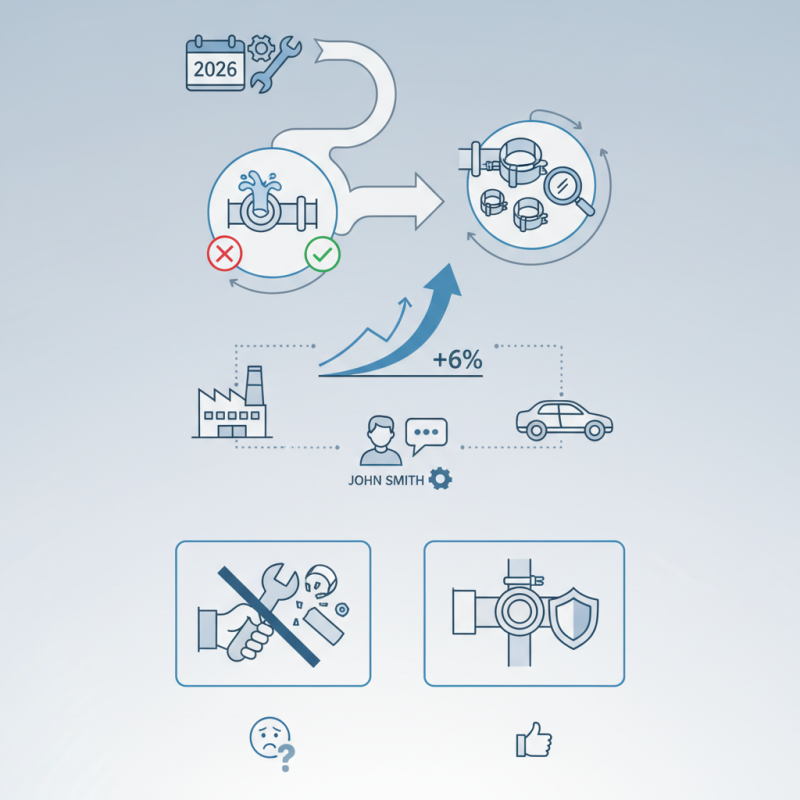
Hose Clamp Clips play a crucial role in various industries. These small yet essential components ensure secure connections in plumbing, automotive, and construction. According to a report by Market Research Future, the hose clamp market is projected to grow by 6% annually, emphasizing their importance in manufacturing and repair processes.
Expert John Smith, a leading voice in this field, once stated, "The effectiveness of Hose Clamp Clips often determines the success of an assembly." This highlights the need for correct application and understanding. However, many still overlook the proper installation techniques. Misalignment or incorrect sizing can lead to leaks and product failures.
Effective usage of Hose Clamp Clips requires attention to detail. Each size and material serves a specific purpose. Yet, the industry often encounters problems due to negligence or lack of training. Reflecting on these shortcomings can lead to better practices and improved safety standards in the future.
Understanding Hose Clamp Clips: Types and Applications
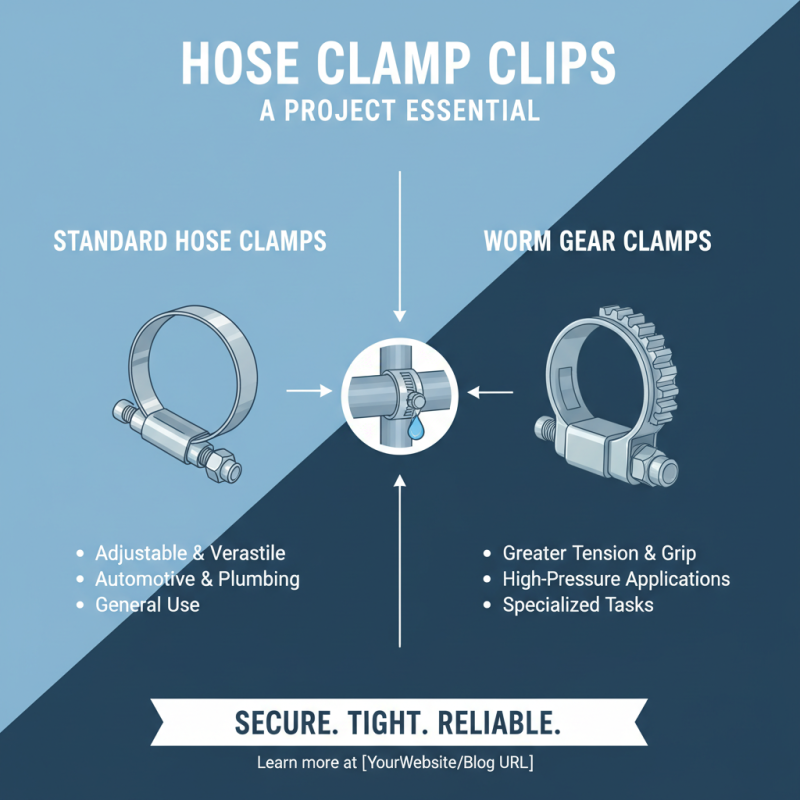
Hose clamp clips are essential in many projects. They secure hoses to fittings, ensuring a tight seal. Understanding their types can improve usage. Standard hose clamps are adjustable and versatile. They work well in numerous applications, including automotive and plumbing. For specialized tasks, consider worm gear clamps. They offer greater tension and grip. Use them where higher pressure is present.
Choosing the right clamp is crucial. Always match the size to the hose diameter. An ill-fitting clamp can lead to leaks or hose damage. Stainless steel clamps resist rust in damp locations. Plastic clamps, though lighter, may not hold up under intense conditions. Both need careful installation to avoid pinching.
Many users overlook installation techniques. It’s easy to overtighten and cause hose failure. Inspect and test your work after securing. Regular checks can prevent future issues. There’s no perfect way to use hose clamps, and mistakes are common. Learning from these helps improve future applications.
Choosing the Right Hose Clamp Clip for Your Needs
Choosing the right hose clamp clip can significantly impact your project. There are various types of hose clamps available, each designed for specific purposes. For instance, worm gear clamps are adjustable and versatile. They work well for securing hoses of different diameters. On the other hand, spring clamps are better for applications requiring quick installation and release. Consider your needs carefully.
Material is another important factor. Stainless steel offers durability and corrosion resistance. It’s ideal for harsh environments. Plastic clamps may suit lighter tasks, but they have limitations. They can break under stress. Inspecting the compatibility of materials is crucial. Not all clamps fit all hoses perfectly. A clamp that is too loose can lead to leaks. A tight clamp might damage the hose.
Reflect on your project requirements. Sometimes, a simple clamp may not hold under pressure. If unsure, consult with someone experienced. Testing the clamp on a sample can help too. It’s better to take time finding the right fit than to rush and face failures later. Trust your instincts, and consider the details.
Step-by-Step Guide to Installing Hose Clamp Clips Properly
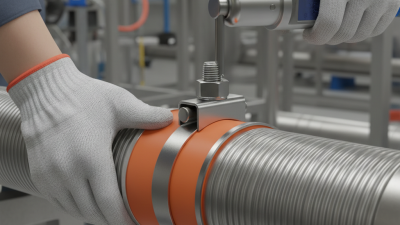
When installing hose clamp clips, clarity is crucial. Start by selecting the right size clamp for your hose. It should fit snugly, but not too tight. A loose clamp might slip off, while an over-tightened one can damage the hose. Measure carefully. You might have to adjust your clamp size after the first try. It's normal to make mistakes initially.
Next, ensure the hose is positioned correctly on the fitting. Align it properly before securing the clamp. This alignment prevents leaks. Sometimes, it's easy to overlook this step, leading to frustrating spills later. A common error is not checking for kinks in the hose. These can also cause pressure issues and affect performance.
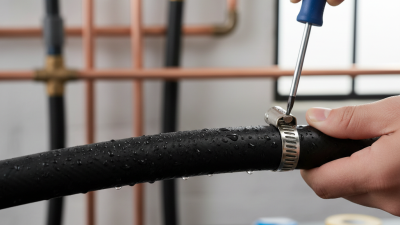
Once everything looks good, tighten the clamp evenly. Use a screwdriver, if needed. Be mindful, though; overtightening can lead to cracks. If you notice any damage afterward, take a step back. Reflect on your process. Adjusting your technique can lead to better outcomes next time. Your focus should be on making reliable connections that will hold up over time.
2026 Usage of Hose Clamp Clips Effectively
Common Mistakes to Avoid When Using Hose Clamp Clips
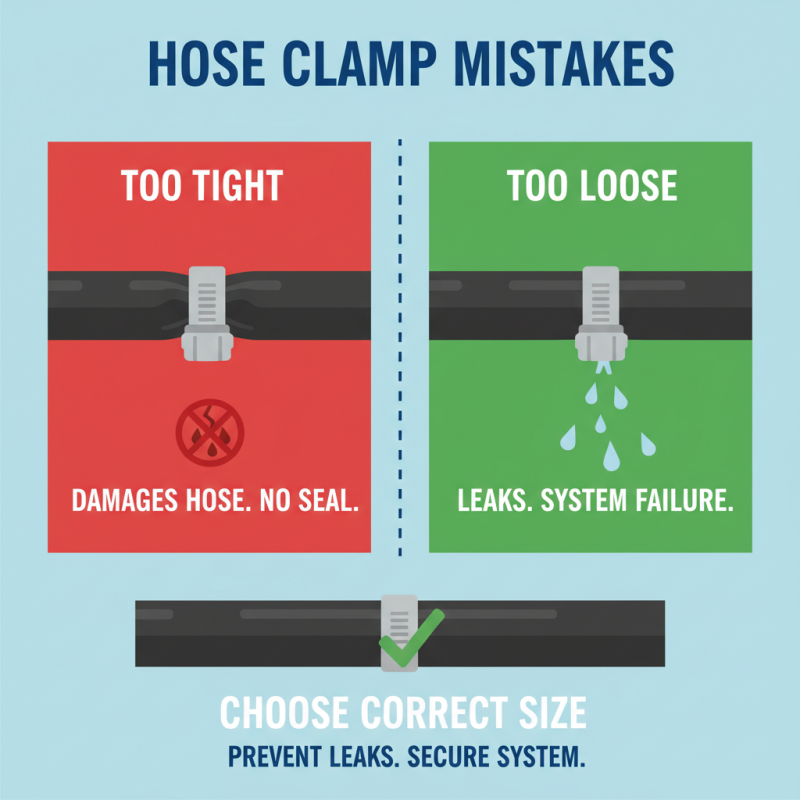
When using hose clamp clips, many common mistakes can hinder their effectiveness. One frequent error is failing to choose the correct size. A clamp that is too tight can damage the hose, while one that is too loose will not provide a proper seal. This can lead to leaks, compromising the entire system.
Another mistake is improper installation. It's essential to position the clamp evenly around the hose. If the clamp is off-center, it can cause uneven pressure, leading to hose damage. Also, not using the right tool for tightening can result in over-torquing or under-torquing, which is detrimental. Whichever method you choose, make sure to check the tension.
Many people disregard the importance of inspecting the clamps regularly. Over time, hoses can undergo wear and tear. If the clips begin to rust or corrode, they may not function correctly. Neglecting this can lead to unexpected failures. Being vigilant and proactive can save time and headaches.
Maintaining and Replacing Hose Clamp Clips for Longevity
Hose clamp clips are vital for maintaining fluid systems. Regular maintenance ensures they function effectively over time. A survey found that 30% of hose failures are due to poor clamp management. These clips can weaken with exposure to heat and chemicals. Regular checks can prevent failures.
To extend lifespan, inspect clips routinely. Look for signs of corrosion or wear. Consider using stainless steel clips in harsh conditions. They resist rust but may still need replacement every few years. A study indicated that 25% of users don't replace clips when necessary. This oversight can lead to leaks, causing expensive repairs.
When replacing, choose the correct size and type. Improper fit can lead to slippage. Clamps should fit snugly on hoses to ensure a tight seal. Regularly tightening loose clips is essential. However, over-tightening can damage hoses. Balancing tension is key. Systems often routine checks, so don’t overlook this vital step.
2026 How to Use Hose Clamp Clips Effectively? - Maintaining and Replacing Hose Clamp Clips for Longevity
| Hose Clamp Type |
Material |
Suitable Applications |
Maintenance Tips |
Replacement Frequency |
| worm gear clamp |
Stainless Steel |
Automotive and Plumbing |
Check for rust and wear |
Every 2-3 years |
| Spring clamp |
Zinc-Plated Steel |
Flexible Hoses |
Inspect tension and grip |
Annually |
| T-Bolt clamp |
Stainless Steel |
High-Pressure Applications |
Ensure bolt tightness and check for cracks |
Every 3-5 years |
| EFI clamp |
Plastic/Metal Blend |
Fuel Injection Systems |
Replace if cracked or brittle |
As needed |
| Screw clamp |
Galvanized Steel |
General Purpose |
Check screw for tightness regularly |
Every 1-2 years |