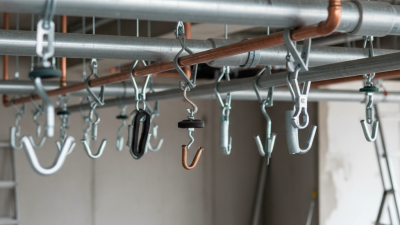
Choosing the right pipe hanger is crucial for any construction or plumbing project. Properly selected pipe hangers provide stability and support for piping systems. They ensure that pipes are securely fixed in place, preventing unnecessary strain and potential damage.
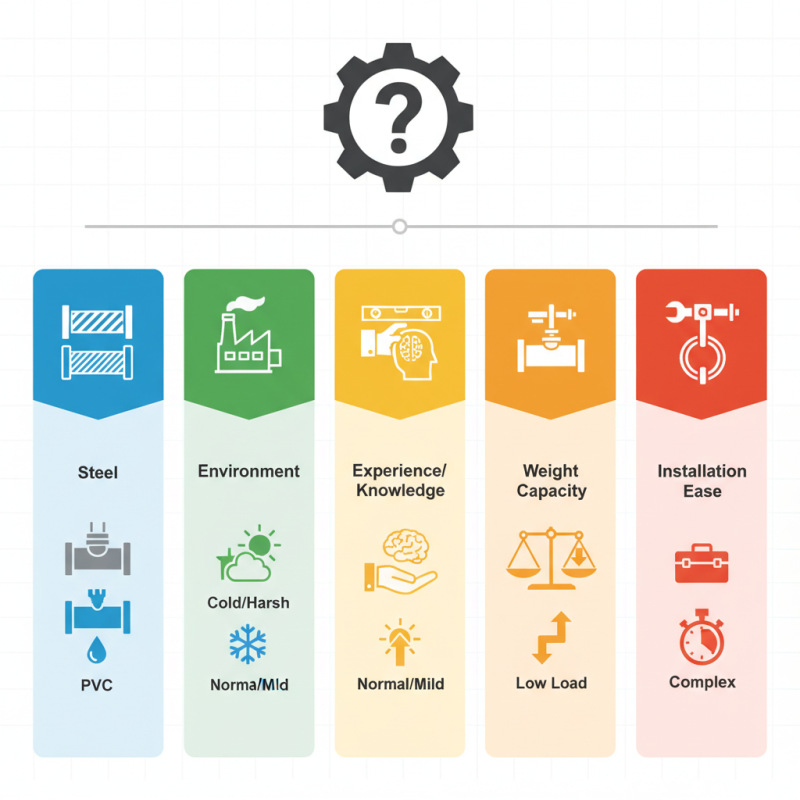
When selecting pipe hangers, consider the type of pipes involved. Different materials require different hanger types. For instance, a PVC hanger will differ from a steel one. Additionally, the environment plays a role. Harsh conditions may demand more robust materials.
Experience in plumbing can guide your choices. However, it’s easy to overlook specific details. Factors such as weight capacity and installation ease should not be ignored. Each project has unique needs. A wrong choice can lead to costly repairs. Hence, careful evaluation is essential.
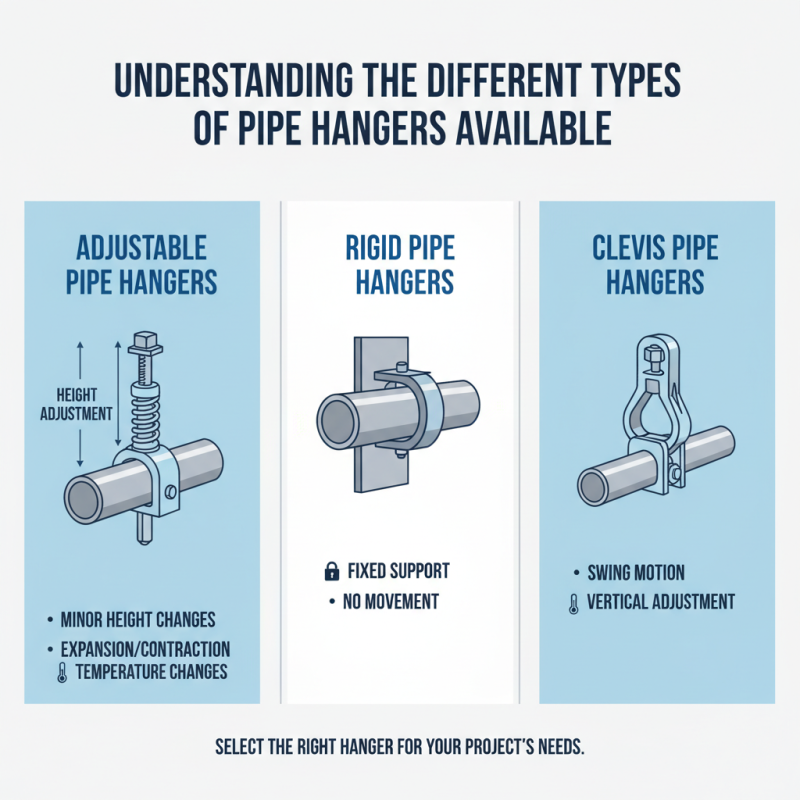
When selecting pipe hangers for your projects, understanding the various types available is crucial. Different applications require specific types of hangers to ensure proper support and flexibility. For example, adjustable pipe hangers allow for minor changes in height during installation or maintenance. This adaptability is vital in projects where pipes may expand or contract due to temperature changes.
Another common type is clevis hangers. These are widely used for supporting horizontal piping. Their simple design offers ease of installation but may not suit every situation. In some cases, you might need something more specialized, like strut channels, which offer robust support for heavy pipes. Choosing the right type can feel overwhelming. Many novice installers might overlook the importance of load ratings and environmental factors that could affect the performance of these hangers over time.
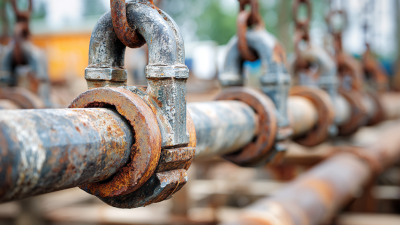
Be aware that improper selection can lead to support failures. Some hangers may corrode in specific environments, resulting in costly repairs. Investigate the materials and their suitability for your existing conditions. It’s important to reflect on past projects where hanger selections didn't go as planned. This reflection can guide future decisions to ensure the reliability and efficiency of your piping system.
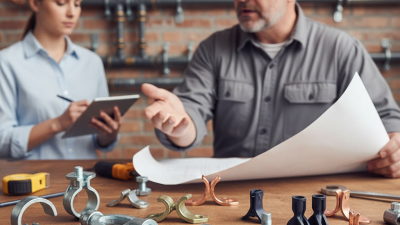
Choosing the right pipe hangers is crucial for any construction project. Various factors determine which hangers are suitable for specific applications. Material type is one of them. Steel, plastic, and copper hangers each serve different purposes. For instance, steel offers strength, while plastic is resistant to corrosion. Consider the environment where the hangers will be installed. Coastal areas with high humidity might require more durable materials.
Another important factor is the weight of the pipe. Heavier pipes need sturdy hangers that can support their load without sagging. It's critical to check load ratings before making a selection. Some installations may need adjustments over time. Make sure the hangers allow for easy modifications. Hangers should also provide insulation in certain cases to prevent condensation.
Thermal expansion is another key aspect to consider. Pipes can expand and contract with temperature changes. Choosing hangers that accommodate movement can prevent stress and potential failures. Misjudging these factors can lead to safety hazards. It is essential to weigh all options carefully. Making informed decisions can save time and costs in the long run.
When selecting pipe hangers, evaluating load capacity is crucial. Proper load management ensures the safety and functionality of your piping system. Each pipe hanger comes with specific weight limits that must be respected. For instance, according to a report from the American Society of Civil Engineers, using hangers that exceed the recommended load can lead to catastrophic failures.
Understanding the weight of the pipes being supported is essential. Copper pipes usually weigh around 0.1 to 0.6 pounds per foot, while PVC pipes can be lighter. Failure to account for these weights can result in unforeseen stresses on your hangers. A 2018 study indicated that 30% of construction errors stem from inadequate attention to load specifications. This highlights the importance of careful evaluation during the selection process.
Choosing the right materials for your hangers also plays a role in load capacity. Stainless steel hangers offer higher durability compared to plastic ones. However, they come at a higher cost. Balancing cost and performance is a common challenge. Often, project managers overlook the long-term implications of choice, leading to maintenance issues later on. A detailed review of load capacity with a focus on material choices will enhance the reliability of your system.
When choosing pipe hangers, materials and durability are crucial factors. The hangers support piping systems and contribute to the overall integrity of the installation. Metal hangers, such as steel or aluminum, are often favored for their strength. They can withstand higher loads and are less likely to deform over time. However, they are prone to rust in humid conditions unless properly treated.
On the other hand, plastic hangers may offer a lighter option. They resist moisture and corrosion, making them suitable for specific environments. Yet, they might not hold up under heavy loads. Using them inappropriately can lead to premature failure.
Consider the environment where the pipe hanger will be installed. For example, in industrial settings, robust materials are non-negotiable. In contrast, residential applications might allow for lighter materials. Reflecting on this can save time and resources. Choosing the wrong material for a pipe hanger can lead to costly maintenance down the line.
When it comes to installing pipe hangers, proper techniques ensure both durability and safety. Research indicates that approximately 80% of piping failures relate to inadequate support. Therefore, choosing the right hangers is crucial. The first step is assessing the load they will bear. It’s recommended to calculate the total weight of the pipes, ensuring hangers have at least a 20% safety margin to account for unforeseen loads.
Proper spacing is another key aspect. Industry guidelines suggest placing hangers every 10 to 12 feet for standard pipes. For larger diameters, reduce spacing to maintain structural integrity. Moreover, consider the material of the hangers. Corrosion resistance is vital for longevity, especially in humid environments. A study noted that systems using galvanized hangers showed a 30% increase in lifespan compared to standard materials.
Additional installation best practices include ensuring hangers are tight but not over-compressed. Over-tightening can lead to stress fractures. Inspecting existing installations regularly can prevent failures. It's evident that even the smallest oversight during installation can have significant repercussions, leading to costly repairs or even safety hazards. This critical insight emphasizes the need for meticulous planning and execution.
| Tip Number | Tip Description | Material Consideration | Load Capacity | Installation Best Practice |
|---|---|---|---|---|
| 1 | Choose the Right Material | Steel, PVC, or Stainless Steel | Ensure it matches the pipe's weight and environment | Verify compatibility with system conditions |
| 2 | Account for Thermal Expansion | Flexible or Adjustable Hangers | Consider the thermal expansion of materials | Space hangers to allow for movement |
| 3 | Check Code Compliance | Follow local and national codes | N/A | Consult applicable regulations before installation |
| 4 | Select Proper Size | Match the hanger to pipe dimensions | Ensure no excess pressure is applied | Use recommended sizes specified in guidelines |
| 5 | Consider Vibration and Noise Control | Use isolators or dampeners when needed | Check if the system is prone to vibration | Install vibration-dampening hangers in critical areas |