How to Choose the Right Clevis Hanger for Your Project?
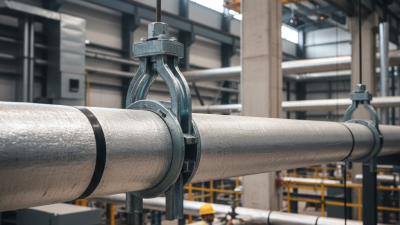
When undertaking a project that involves supportive hardware, choosing the right clevis hanger is essential. A clevis hanger is designed to securely hold piping, ductwork, and other components in place while allowing for movement and expansion. However, not all clevis hangers are created equal, and selecting the appropriate one can directly impact your project's success.
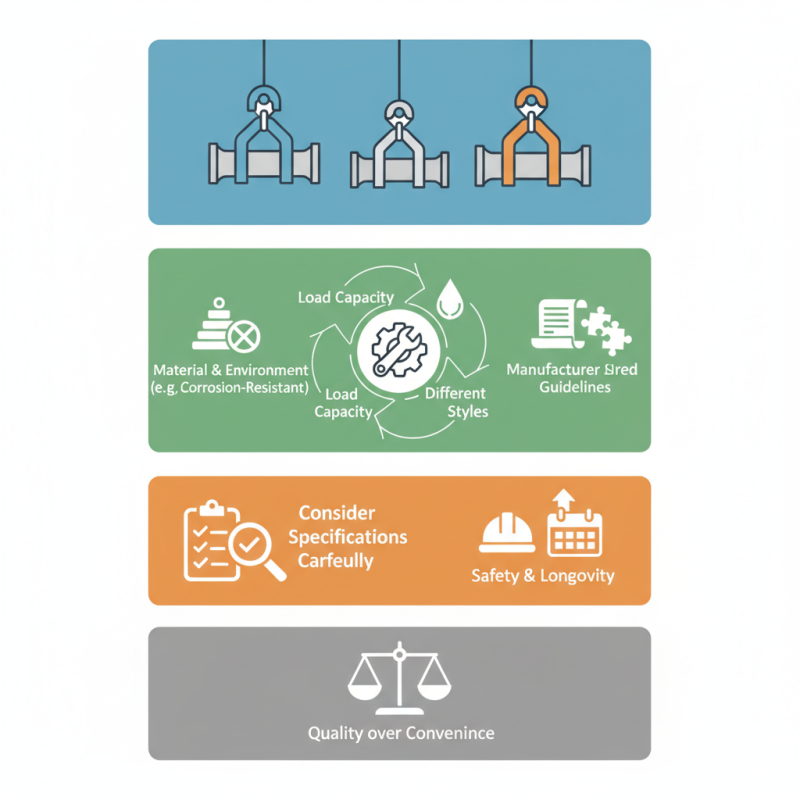
Consider the specifications carefully. Factors like load capacity, material, and environment play crucial roles. For instance, exposure to moisture would necessitate selecting a corrosion-resistant hanger. It's tempting to overlook these details, especially in smaller projects, but doing so can result in costly setbacks later.
Understanding different styles of clevis hangers is vital. Some may suit your needs better than others. Always consult manufacturer guidelines and industry standards. Remember, the right choice can make a difference in safety and longevity. Reflect on these aspects as you navigate through your options, ensuring you don't compromise on quality for convenience.
Understanding Clevis Hangers and Their Applications
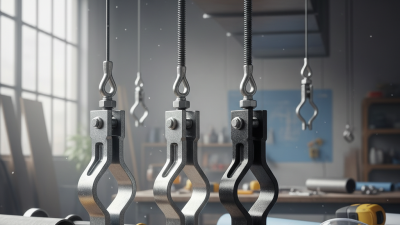
Clevis hangers are vital components in various construction and plumbing projects. They provide support for pipes, ducts, and other installations. Understanding clevis hangers means recognizing their role in maintaining system integrity. The design allows for adjustments, making them suitable for different applications. They consist of a U-shaped clamp and a mounting plate, providing flexibility in installation.
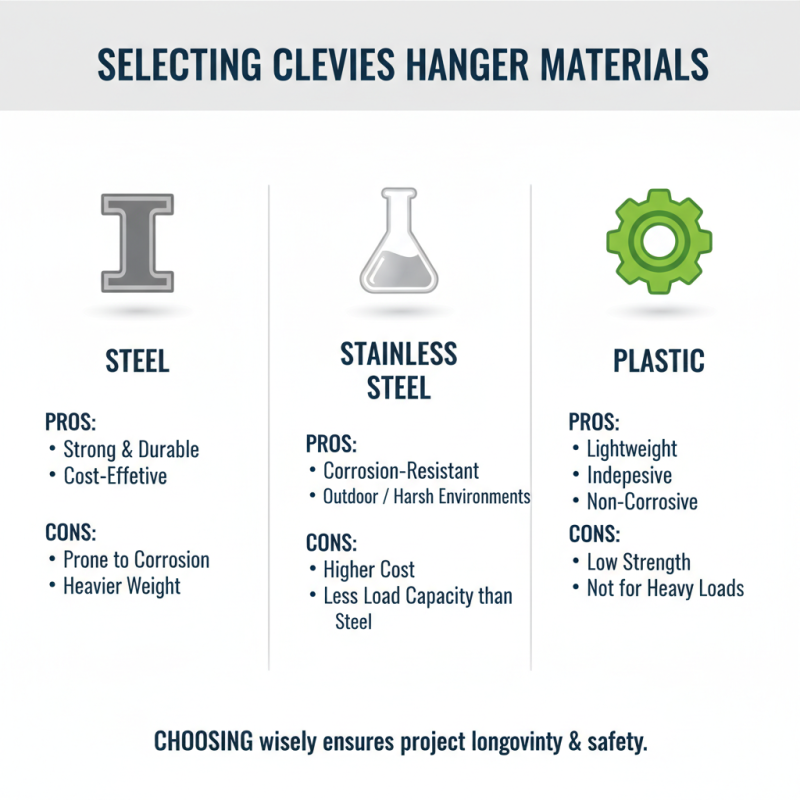
When selecting a clevis hanger, consider the type of material and size needed. Steel hangers are common for heavy applications, while plastic options serve lighter needs. Pay attention to load ratings and environmental conditions. In high-moisture areas, corrosion-resistant materials may be necessary. However, it's easy to overlook these details, leading to potential structural failures.
Applications of clevis hangers extend beyond pipes. They are also used for supporting electrical conduits. This versatility can complicate choices if the wrong type is chosen. Identifying specific project needs is crucial. Sometimes, misjudging the weight or size can cause issues later. Regular reassessment of the systems in which they are used can improve long-term effectiveness.
Identifying Project Requirements for Clevis Hangers
When selecting a clevis hanger, understanding your project's unique requirements is vital. Start by assessing the pipe size and weight that the hanger will support. Each application demands specific load capacities, so calculating the expected weight is crucial. An imprecise estimation may lead to structural issues or safety hazards. The right hanger must accommodate both the size and weight of the piping system to ensure a secure fit.
Environmental factors also play a role. Will the installation be indoors or outdoors? Consider temperature variations and exposure to moisture. Extreme conditions may require specialized materials, affecting durability. The hanger must withstand the environment to prevent future failures. Additionally, proper spacing between hangers is essential. Too far apart may lead to sagging, while too close can hinder movement. Balancing these elements is key to a successful installation.
Reflect on the installation method as well. Different settings may require variations in the way hangers are affixed. The wrong installation technique can compromise the entire system. Consult industry standards for best practices, but remember that each project may have unique nuances. A thoughtful approach ensures that the selected clevis hanger meets all requirements effectively and performs reliably over time.
Clevis Hanger Types and Their Applications
This chart demonstrates the different types of clevis hangers and their common applications in various projects. Understanding these types can help you choose the right clevis hanger for your specific needs.
Choosing the Right Size and Load Capacity for Your Needs
Choosing the right size and load capacity for clevis hangers is crucial for any project. Get it wrong, and the results can be catastrophic. A report from the American Institute of Steel Construction suggests that improper sizing accounts for 30% of failures in industrial applications. It's essential to consider not only the diameter of the pipes or ducts but also the weight they will support.
When selecting a clevis hanger, pay attention to both the load and the environment. For example, a hanger that supports 500 pounds in a dry environment may not perform well in damp conditions. Always check load ratings from trusted sources. Oversizing can lead to unnecessary costs and complications.
Tip: Use a scale to weigh pipes before choosing a hanger. This helps match the correct capacity.
Never rely solely on generic size charts. Specific project requirements will dictate optimal sizing. Review project specifications and consider potential future loads or changes. It’s also valuable to consult with experienced professionals who understand local regulations and industry standards.
Tip: Keep records of previous projects to identify patterns in loading and sizing. This will enhance your decision-making process.
Installation Considerations for Clevis Hangers in Your Project
When installing clevis hangers, careful consideration is vital. The environment where they are placed affects their performance. For instance, harsh weather conditions may require specific materials for durability. Always assess the surrounding elements and choose accordingly.
Installation height is another critical factor. Hangers must support the load without excessive tension. Too high or too low can compromise efficiency. Measure accurately to ensure the right fit. This can save you from potential setbacks.
Tips: Use a level tool during installation. This helps to maintain alignment, preventing future issues. Additionally, check load ratings. Ensuring you have the right hanger capacity is essential for safety and function.
You may encounter challenges in various stages. Factors like misalignments can occur. Take time to double-check every measurement. A minor oversight can lead to larger problems later on.