How to Choose the Right British Hose Clamp for Your Needs?
Choosing the right British Hose Clamp can be challenging. Expert James Thompson states, “Quality clamps ensure reliability and safety.” This emphasizes the importance of selecting the right product for your specific needs.
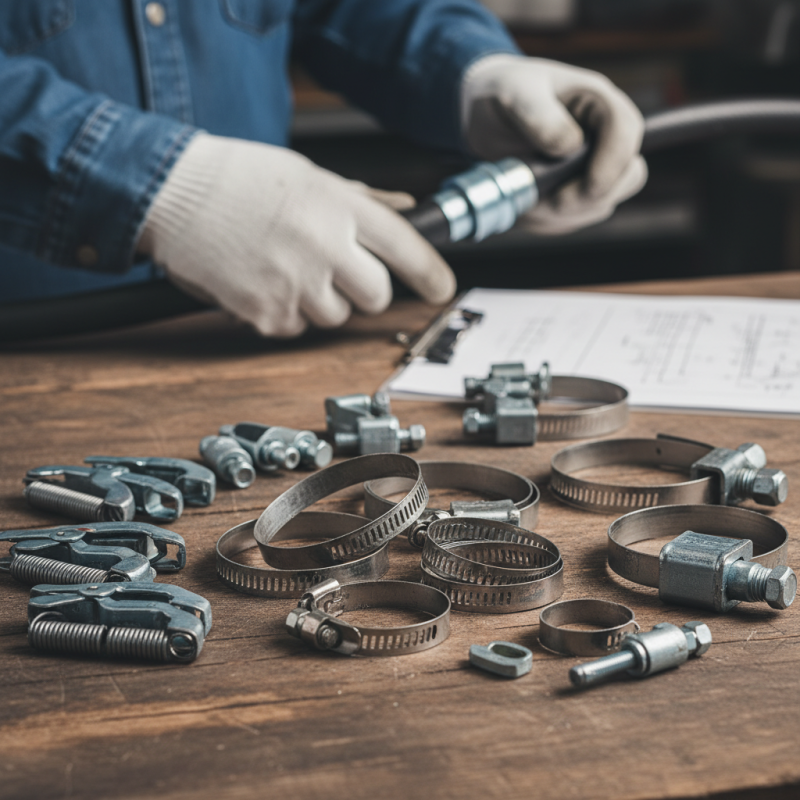
British Hose Clamps come in various types and sizes. Each type serves a unique purpose. For instance, worm gear clamps are often used in automotive applications, while spring clamps might be better suited for industrial uses. Consider the material as well. Stainless steel clamps offer corrosion resistance, making them ideal for harsh environments.
It’s worth noting that not all clamps guarantee a perfect fit. Poor selection may lead to leaks or failures. Take the time to evaluate your requirements. Assess the pressure, temperature, and fluid type to make an informed choice. The right British Hose Clamp can enhance your project’s performance and longevity. Reflect on these factors before making your decision.
Understanding the Different Types of British Hose Clamps
When selecting the right British hose clamp, understanding the various types is crucial. These clamps are typically made from stainless steel, but several variations exist. Common types include worm gear clamps, T-bolt clamps, and constant tension clamps. Each type serves different needs based on application and pressure requirements. According to a report by the Fluid Transfer Association, it's noted that improper hose clamp selection can lead to leaks, which can cost businesses over 10% of their revenue in wasted materials and downtime.
Consider the specific applications for your hose clamp. Worm gear clamps are ideal for light to medium-duty applications, while T-bolt clamps are recommended for high-pressure situations. Constant tension clamps adjust automatically to temperature changes. Be mindful of the material and size as well. Too small or large a clamp can undermine the hose's integrity.
Tips: Always measure the diameter of your hose properly. Don’t forget to account for pressure fluctuations. Regularly inspect clamps for wear. This proactive approach can prevent costly failures. Inadequate clamping might render your system ineffective, so ensure you choose wisely. Remember, the perfect clamp isn't always the first option you see. Trust your research and make informed decisions.
Key Factors to Consider When Choosing Hose Clamps
When choosing a British hose clamp, several key factors come into play. One crucial aspect is the material of the clamp. For example, stainless steel clamps offer durability and resistance to corrosion, especially in marine applications. According to industry reports, about 25% of hose clamp failures occur due to material degradation under harsh conditions. Thus, understanding the operating environment is essential.
Another important consideration is the size and compatibility with the hose. A clamp must fit snugly to provide optimal performance. Using a clamp that is too large can lead to leakage, while a small one can cause damage. Research indicates that improper sizing leads to a 30% decrease in effectiveness. Always measure the hose diameter carefully before making a selection.
Finally, the design of the clamp itself matters. Some applications require a simple screw design, while others may benefit from a more complex, adjustable option. Flexibility in design can often address unique challenges. About 15% of users report issues related to inadequate design choice, which can lead to system failures. Understanding these elements can help in making an informed decision about hose clamps.
How to Choose the Right British Hose Clamp for Your Needs?
This chart illustrates the importance of various factors to consider when choosing the right British hose clamp. Material quality is rated the highest, indicating its critical role in performance and durability.
Materials and Designs: Matching Hose Clamps to Application Needs
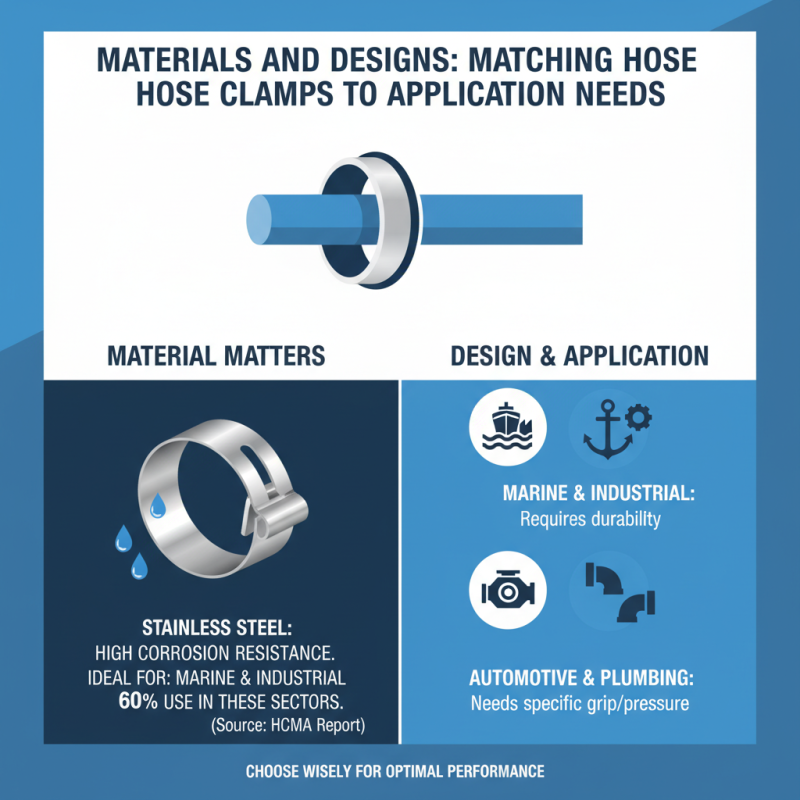
When choosing a hose clamp, material and design are crucial. Different applications require specific characteristics. For example, stainless steel clamps offer high corrosion resistance. This is essential in marine and industrial environments. According to a report by the Hose Clamp Manufacturers Association, over 60% of clamps used in these sectors are stainless steel. This statistic demonstrates their widespread acceptance due to durability.
Nylon or plastic clamps are lighter and resistant to chemicals. They are suitable for automotive and garden applications. However, they may not withstand high temperatures. Users should assess the environment where the clamp will be placed. Are there extreme temperatures or corrosive materials? This question guides material selection.
Tip: Always consider the pressure requirements of your application. Clamps must maintain a secure hold under variable pressures. Too loose, and leaks may occur. Too tight, and damage can happen. It's essential to balance these factors. Remember that using the right clamp design can prevent future complications. Take time to reflect on your specific needs and the environment of use. Your choice matters.
How to Properly Install and Adjust British Hose Clamps
When installing British hose clamps, start by selecting the right size and type. A proper fit is crucial. Measure the diameter of the hose accurately. A clamp that is too tight can damage the hose. Conversely, a loose clamp may cause leaks. Choose one that meets these specifications.
To install, slide the clamp onto the hose before attaching it to the fitting. This small step is often overlooked. Position the clamp about half an inch from the end of the hose. Tighten it gradually. Over-tightening can lead to bulging or splitting. Use a torque wrench for precision if possible.
Adjusting the clamp after installation is also vital. Check periodically for any signs of wear. If the clamp appears loose or rusted, replace it. Regular checks can save you from major issues later. Don’t ignore the details. Small adjustments can make a big difference.
How to Choose the Right British Hose Clamp for Your Needs? - How to Properly Install and Adjust British Hose Clamps
| Feature |
Description |
Ideal Use Case |
| Material |
Typically made from stainless steel or galvanized steel for corrosion resistance. |
Used in automotive and marine applications where moisture is present. |
| Size Range |
Available in various diameters to accommodate different hose sizes. |
Suitable for a wide range of hoses from small to large industrial uses. |
| Adjustment Type |
Includes screw-type and quick-release options for ease of installation. |
Ideal for situations where frequent reconfiguration or maintenance is required. |
| Tightening Mechanism |
Can be standard or worm gear, providing different levels of grip. |
Best for securing hoses that deal with high pressure. |
| Temperature Resistance |
Must withstand a range of temperatures based on application needs. |
Essential in automotive engines or HVAC systems that experience heat fluctuations. |
| Installation Tips |
Ensure hose is fully seated and use a torque wrench for proper tightness. |
Important for maintaining hose integrity over time. |
Maintenance Tips for Ensuring Longevity of Hose Clamps
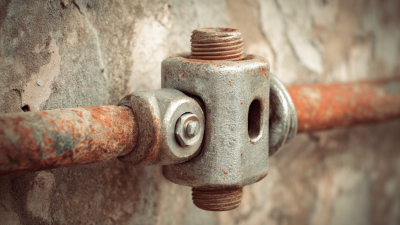
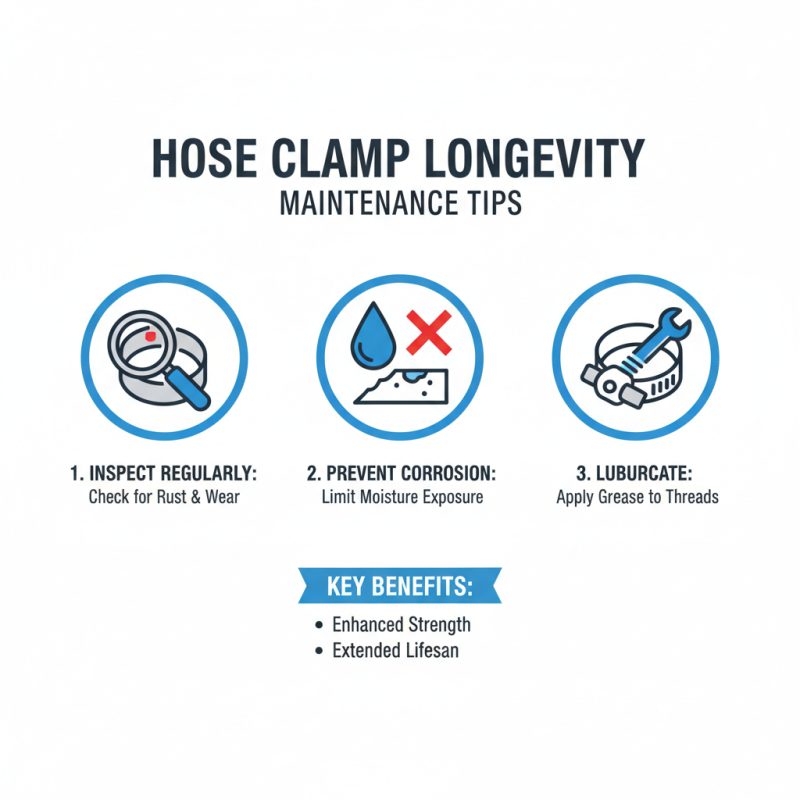
When it comes to hose clamps, regular maintenance is key. Checking for rust or wear is essential. Over time, exposure to moisture can lead to corroded edges. This can compromise their strength. Ensure that you apply grease to metal components. This helps reduce friction and extends lifespan.
Inspecting tightness is another crucial aspect. If a hose clamp is too loose, it won't provide adequate pressure. Too tight? It can damage the hose. Finding that sweet spot can be challenging. Consider using a torque wrench for accurate adjustments. This is often overlooked, yet it makes a big difference.
Keep your clamps clean. Dirt and grime can affect performance. Use a soft cloth to remove any buildup. Be mindful of your environment. If you're in a coastal area, salt can be damaging. Regular cleaning can prevent serious issues. Remember, neglecting these simple maintenance tips can lead to premature failures.