How to Choose the Best Pipe Clevis for Your Project?
Choosing the right Pipe Clevis for your project is crucial. It ensures secure and effective mounting of pipes. A well-selected clevis can enhance the overall performance of your system. However, making the right choice can be challenging.
There are several factors to consider. The material of the Pipe Clevis impacts durability and strength. Know your project’s requirements. This includes weight, size, and environmental conditions. Think about compatibility with existing components. Often, a mismatch can lead to failures. Always prioritize safety and reliability.
You'll find various options on the market. But not all are created equal. Research reputable manufacturers and reviews before making a decision. Investing time in understanding the specifications can save you from costly mistakes later. Remember, the best Pipe Clevis for your project is one that meets your specific needs. Avoid assumptions and ask experts for advice.
Understanding the Basics of Pipe Clevis and Its Applications
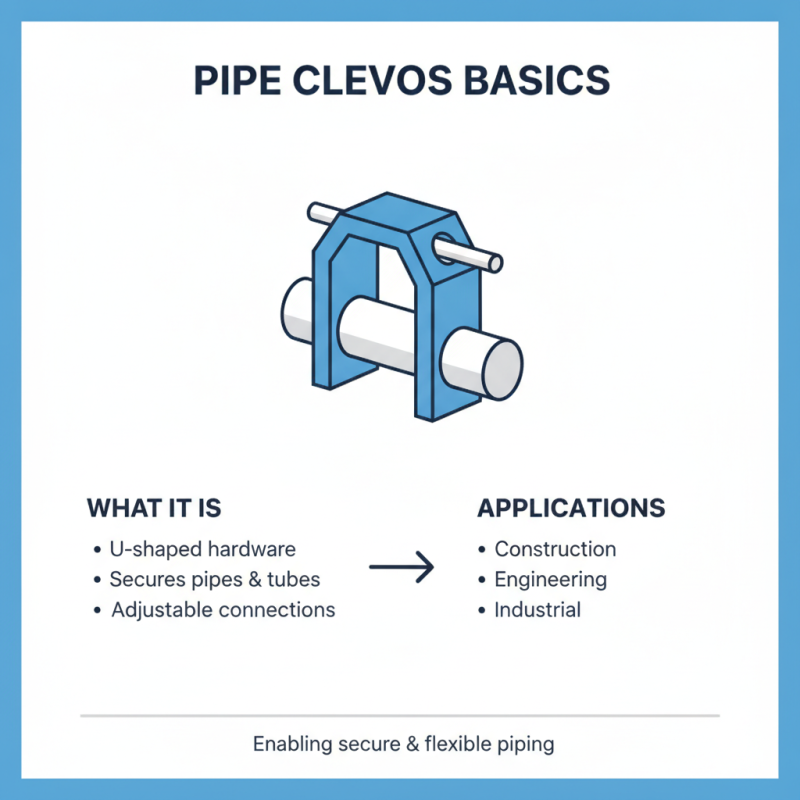
When working with pipe clevis, understanding its basics is crucial for any project. A pipe clevis is a simple yet effective hardware component used for securing pipes and tubes. It enables adjustable connections, which are particularly useful in construction and engineering contexts. The design typically consists of a U-shaped frame and a pin that allows for easy installation and removal.
Applications of pipe clevis extend across various industries. In plumbing, you might need them to support vertical piping. In mechanical applications, they hold equipment in place. Choosing the right size and material is vital. This ensures durability and stability. A too-small clevis may fail under pressure, while a larger one could create unnecessary gaps.
It's important to reflect on the type of project you are working on. Each project's specific needs will dictate your choice of clevis. For example, a project exposed to harsh weather may require corrosion-resistant materials. This decision impacts the long-term performance of the installation. Analyzing these factors helps avoid costly mistakes down the line.
Identifying Different Types of Pipe Clevis and Their Features
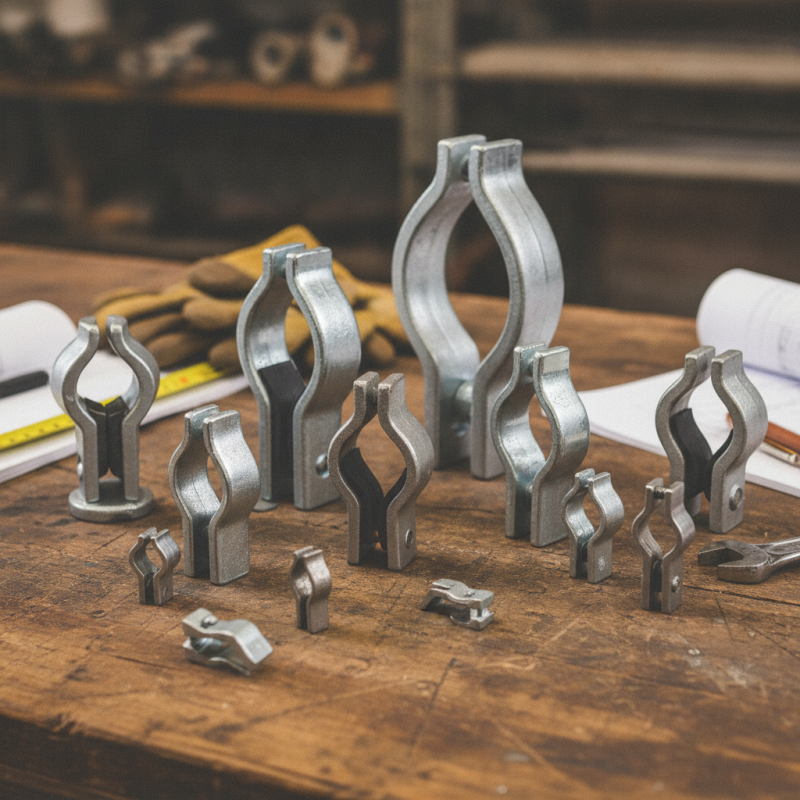
Selecting the right pipe clevis is crucial for your project's success. Different types of pipe clevises serve various roles in construction and engineering. Common types include standard clevis, adjustable clevis, and double clevis. Each type has specific features that affect their application and performance.
The standard clevis is often made from carbon steel and is designed for static loads. It can handle tensile strengths of up to 45,000 psi. Adjustable clevises offer versatility. They allow for variable adjustments to tension or support. Research indicates that about 25% of applications can benefit from this flexibility. Double clevises additionally provide support in dual-directional applications, making them essential for complex projects.
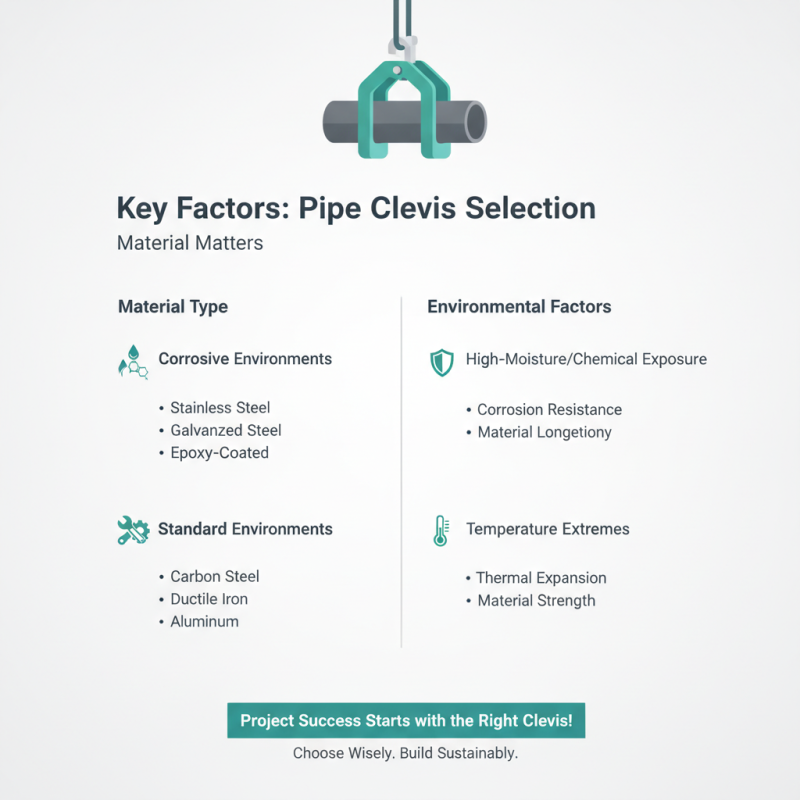
Choosing the appropriate clevis also requires careful consideration of material. Stainless steel clevises resist corrosion effectively, vital for outdoor or moisture-prone environments. However, they can be more expensive. Balancing cost and functionality is often challenging. Many engineers face dilemmas when assessing long-term reliability against budget constraints. Understanding these features and their implications can significantly enhance project outcomes.
Pipe Clevis Types and Their Features
Assessing Load Capacity and Material Compatibility
When selecting a pipe clevis, load capacity is a crucial factor. Accurate assessments of load requirements ensure safety and efficiency. Industry standards indicate that the load capacity of a clevis must exceed the maximum expected load by at least 25%. This margin accounts for dynamic forces and any unforeseen stresses during operation.
Material compatibility is equally important. Clevises made from steel, for example, are preferable for heavy-duty applications due to their durability. A report from the American Institute of Steel Construction highlights that galvanized steel can provide excellent resistance to corrosion, making it suitable for outdoor use. Conversely, nylon clevises offer lighter options for low-load scenarios, where flexibility is needed.
Understanding the specific needs of your project helps prevent costly errors in material selection.
Regular inspections and adherence to guidelines are necessary for optimal performance. For instance, a clevis subjected to extreme temperatures or chemical exposure may not perform as intended. Evaluating the environment will determine the lifespan and reliability of your chosen clevis. The right combination of load capacity and material compatibility creates a foundation for project success.
Installation and Maintenance Tips for Pipe Clevis Systems
When installing a pipe clevis system, proper attention to detail is crucial. Selecting the right materials ensures longevity and stability. A report by the American Society of Civil Engineers indicates that nearly 70% of infrastructure failures relate to poor installation practices. Understanding load requirements is essential. For instance, a 1-inch clevis may handle 2,500 pounds. This varies with the material and design.
Maintenance is equally important. Regular inspections are necessary to identify signs of wear and tear. Corrosion is a significant risk, especially in outdoor settings. Data suggests that regular maintenance can extend the lifespan of these systems by up to 40%. Use a corrosion-resistant coating to protect metallic parts. Additionally, ensure that the clevis pins are greased regularly. Ignoring small details can lead to significant failures over time. Neglect can result in unforeseen costs, both financially and in safety.
During installation, proper alignment is key. Misalignment can lead to undue stress on the system. Incorrectly installed clevises may function for a short time but can fail unexpectedly. It's vital to consult with industry guidelines for installation practices. The construction industry often overlooks specifics, leading to future problems. Construction professionals must reflect on their methodologies to improve efficacy and durability.
How to Choose the Best Pipe Clevis for Your Project? - Installation and Maintenance Tips for Pipe Clevis Systems
| Dimension |
Material |
Load Capacity |
Installation Type |
Maintenance Frequency |
| 1 inch |
Steel |
500 lbs |
Welded |
Annually |
| 2 inch |
Stainless Steel |
1000 lbs |
Bolted |
Semi-Annually |
| 3 inch |
Aluminum |
1500 lbs |
Swaged |
Monthly |
| 4 inch |
Plastic |
300 lbs |
Clamp |
Quarterly |