How to Choose the Right No Hub Coupling for Your Project?
Choosing the right No Hub Coupling for your project can significantly affect its success. According to industry expert John Smith, “Selecting the appropriate No Hub Coupling is crucial for system integrity.” His insight highlights the importance of understanding your project’s unique requirements.
No Hub Couplings are essential in various plumbing applications. They provide flexibility and ease of installation. However, not all couplings are created equal. Each project may have different specifications that demand careful consideration. Factors such as diameter, material, and installation method should always be assessed.
Often, professionals overlook these details, leading to potential failures. This oversight can compromise the overall effectiveness of the plumbing system. Therefore, taking time to choose the right No Hub Coupling is vital for a reliable outcome. Emphasizing diligence in selection will ultimately ensure better project integrity.
Understanding No Hub Couplings: Definition and Functionality
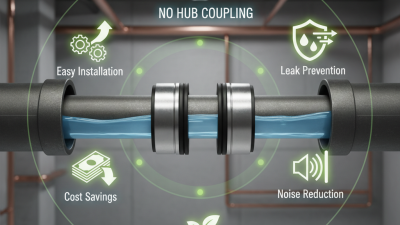
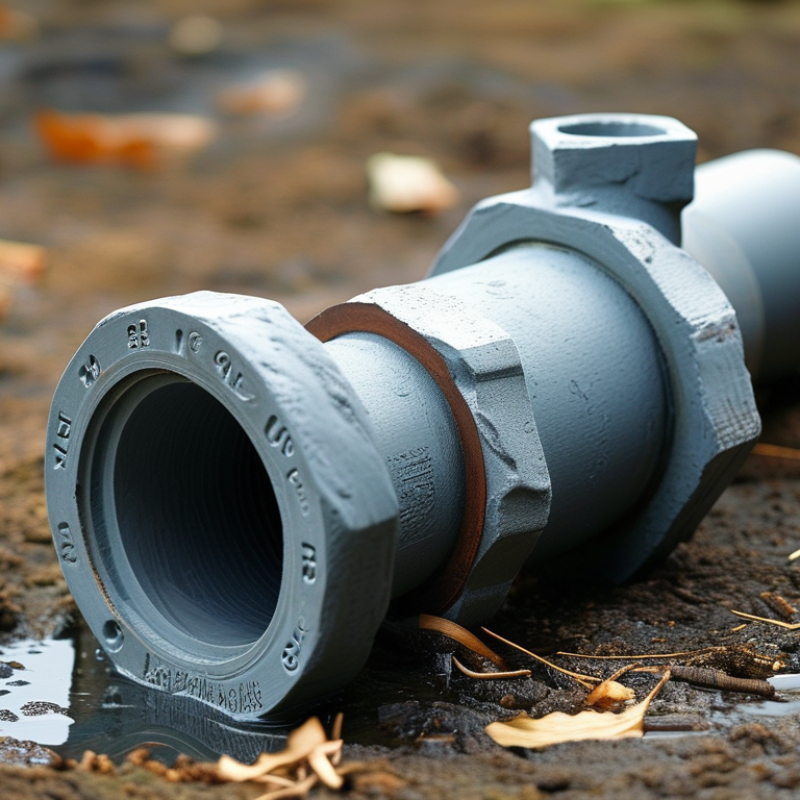
No hub couplings are vital components used in various plumbing and construction projects. They provide a secure connection between different sections of pipe without the need for additional fittings. These couplings are designed to accommodate changes in alignment and are ideal for systems where vibration or movement may occur. Understanding their structure reveals how they can facilitate a reliable and leak-proof installation.
When selecting a no hub coupling, consider the materials involved. These couplings are often made from durable materials like cast iron or PVC. Each material offers unique benefits. Cast iron provides strength, while PVC is lightweight and resistant to corrosion. It's essential to think critically about your specific needs. While one material may be suitable for certain environments, it might not perform well in others.
Installation can be straightforward, but mistakes do happen. Misalignment or improper tightening can lead to leaks. Regular inspection of these couplings ensures they function correctly. Remember, not every solution fits all situations. A careful evaluation of your project’s requirements will help you choose the right coupling. Understanding their functionality deeply can guide you in making informed decisions.
Identifying Your Project Requirements for No Hub Couplings
When selecting a no hub coupling for your project, begin with a clear understanding of your requirements. Assess the diameters and types of pipes you will be using. The industry generally recognizes standard sizes, but variations exist. For instance, many projects utilize standard 2-inch to 6-inch pipes. Custom fittings might be necessary for specific applications, which introduces complexity and cost.
Consider environmental factors that could affect your project. High humidity or corrosive chemicals may require advanced materials. According to a recent industry report, 30% of coupling failures are linked to environmental stresses. Choosing the right material based on these conditions significantly impacts overall project success.
Lastly, evaluate the installation environment. Ease of installation can determine long-term maintenance costs. A detailed analysis from a 2022 study indicates that improper couplings can increase installation time by 25%. Taking these aspects into account will help you make informed decisions that enhance both reliability and efficiency.
Material Considerations for Selecting the Right No Hub Coupling
When selecting a no hub coupling, material choice is essential. The type of material affects performance, durability, and compatibility. Common materials include cast iron, PVC, and stainless steel. Each offers unique benefits and limitations. For example, cast iron is strong but heavy, while PVC is lightweight and resistant to corrosion.
Tips for choosing the right material: consider the environment where the coupling will be used. For outdoor applications, select materials that withstand UV rays. In wet conditions, durability is vital. Stainless steel might be a better choice here due to its rust resistance.
Another consideration is the temperature range. Couplings exposed to extreme temperatures require materials that can handle thermal expansion. Additionally, think about the specific fluids or gases passing through the system. Some materials react poorly with certain substances, causing degradation over time. Reflecting on a project’s specific needs can guide material selection.
How to Choose the Right No Hub Coupling for Your Project?
| Material |
Corrosion Resistance |
Temperature Range |
Pressure Rating |
Applications |
| PVC |
Good |
-10°F to 140°F |
Low Pressure |
Residential Drainage |
| ABS |
Moderate |
32°F to 180°F |
Medium Pressure |
Sewage and Wastewater |
| Stainless Steel |
Excellent |
-300°F to 800°F |
High Pressure |
Industrial Applications |
| Ductile Iron |
Good |
-40°F to 450°F |
Medium to High Pressure |
Storm Water Management |
Sizing and Compatibility: Ensuring a Proper Fit for Your Needs
Choosing the right no hub coupling requires careful attention to sizing and compatibility. Proper fit is essential for effective plumbing or drainage systems. A coupling should match the pipe dimensions accurately. Measure the outer diameter and wall thickness of your pipes. This ensures a secure and leak-free connection.
When selecting a coupling, consider the materials. Different materials offer varied levels of durability and resistance. For instance, some materials handle temperature changes better than others. A mismatch can lead to failure over time. Double-check your project requirements to avoid this common pitfall.
Compatibility with existing systems is also crucial. Not all couplings fit every pipe type. It's important to research the specific applications of your project. Reflect on previous projects where the wrong coupling was used. These experiences can guide your current choice. Don't overlook the importance of ensuring everything aligns properly. Suboptimal selections can result in costly repairs later.
Installation Guidelines and Best Practices for No Hub Couplings
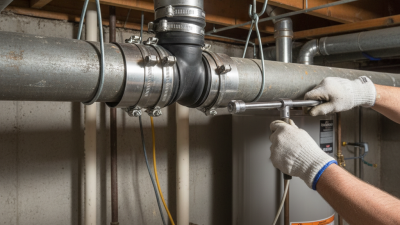
When installing no hub couplings, paying attention to precise techniques can make a significant difference.
Begin by preparing the pipe surfaces. Ensure they are clean and free from debris.
Use a pipe brush for this task. Debris can lead to leaks down the line. Sometimes, people overlook this step, thinking it’s unimportant.
This can cause future complications.
Next, choose the right coupling size. A loose or tight fit can be problematic.
A loose coupling will not create a proper seal.
It can lead to water damage in your project. Conversely, a tight coupling can crack the pipe.
Measure your pipes accurately before purchase. This simple step can prevent headaches later on.
Lastly, use a torque wrench to tighten the coupling clamps.
Manufacturers provide specific torque settings for their products.
Following these guidelines enhances reliability.
It’s easy to underestimate the importance of this step, but it’s often where things go wrong.
Remember that each project is unique. Adjust your approach as necessary, and always check your work.
This attention to detail pays off in the long run.