Why Choose Steel Hose Clips for Your Plumbing Needs?
In the plumbing world, the choice of materials can significantly impact the effectiveness of repairs. One essential tool is the Steel Hose Clip. Renowned expert John Stevens, a plumbing engineer, once said, "Steel Hose Clips provide the durability and reliability needed for high-pressure applications." This statement highlights the importance of selecting the right components for plumbing systems.
Steel Hose Clips are designed to withstand various conditions, making them suitable for both indoor and outdoor plumbing needs. Their robust construction prevents slippage and ensures secure connections. However, not all jobs require high-grade materials. It's crucial to evaluate your specific needs before committing to a steel solution.
Many plumbers overlook alternatives, which can lead to issues down the line. While steel offers strength, it might not be necessary for every project. Sometimes, cost-effective options could suffice. It’s essential to weigh the pros and cons. This reflection can lead to more informed decisions and ultimately a well-functioning plumbing system.
Advantages of Steel Hose Clips Over Other Materials
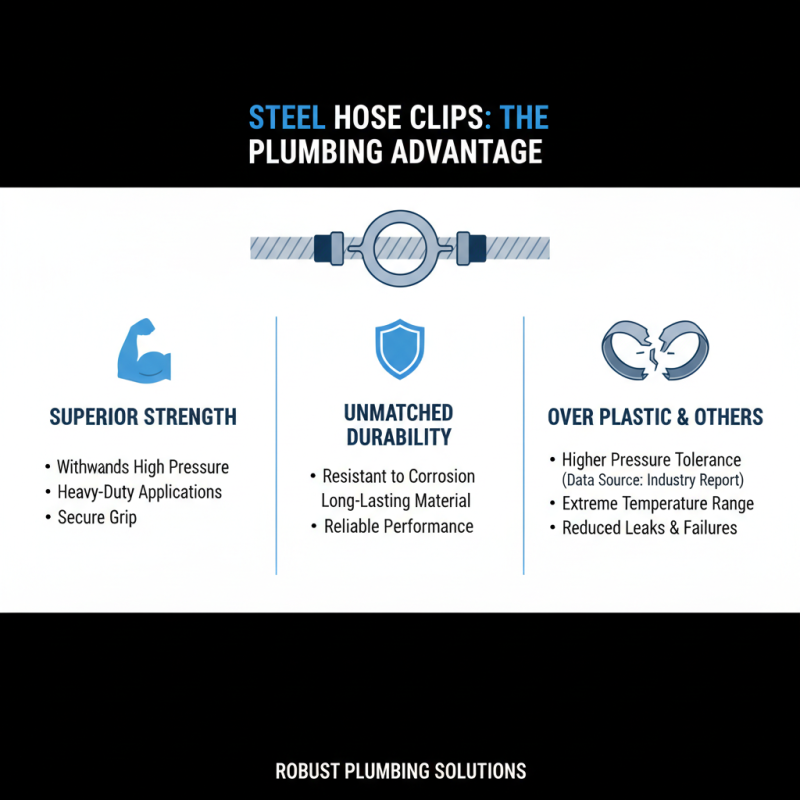
Steel hose clips offer robust solutions for plumbing requirements. Their impressive strength and durability represent significant advantages over clips made from plastic or other materials. According to industry data, steel clips can withstand much higher pressures, making them a reliable choice for heavy-duty applications.
Rust resistance is a notable feature. Most steel clips undergo special treatments to resist corrosion. This is crucial in plumbing, where moisture levels are high. A report by the International Association of Plumbing and Mechanical Officials indicates that corrosion-related failures account for nearly 25% of plumbing issues. Choosing steel thus mitigates risks effectively.
Despite their benefits, steel clips can be slightly heavier than plastic alternatives. Installation might require more effort. However, the superior holding power provides long-term reliability. Users may find that initial installation challenges quickly fade in importance compared to the peace of mind steel clips provide over time.
Durability and Corrosion Resistance of Steel Hose Clips
When it comes to plumbing projects, choosing the right materials is essential. Steel hose clips stand out for their durability and corrosion resistance. Research from industry reports shows that steel clips can last up to 50% longer than plastic alternatives when exposed to moisture and chemicals. This durability is crucial in plumbing, where water exposure is constant.
Corrosion is a major concern in plumbing. Steel, especially when treated, can resist rust and degradation. For instance, a study from the American Institute of Steel Construction highlights that treated steel retains structural integrity far better than untreated materials. In environments prone to humidity, the use of steel clips minimizes the chances of leakage over time. Yet, not all steel clips are created equal; thickness and coating vary, impacting performance.
While steel offers many advantages, there are challenges too. Installation can be trickier, requiring more precise tools. Occasionally, users may overlook the need for periodic checks, leading to unexpected failures. Despite these drawbacks, the benefits of using steel hose clips in plumbing applications often outweigh the potential pitfalls.
Why Choose Steel Hose Clips for Your Plumbing Needs? - Durability and Corrosion Resistance of Steel Hose Clips
| Feature |
Steel Hose Clips |
Plastic Hose Clips |
| Durability |
High durability, resistant to wear and tear |
Less durable, susceptible to breakage |
| Corrosion Resistance |
Excellent corrosion resistance with proper coating |
Poor corrosion resistance, can degrade with moisture |
| Temperature Range |
-40°C to 200°C |
-20°C to 80°C |
| Installation Ease |
Easy to install with adjustable features |
Usually easy, but may not adjust well |
| Cost |
Moderate to high depending on quality |
Generally low cost |
Versatility of Steel Hose Clips in Various Plumbing Applications
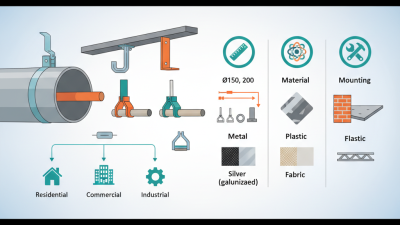
When it comes to plumbing, versatility is key. Steel hose clips excel in a wide range of applications, making them a popular choice among professionals. They provide secure connections for hoses of all sizes, ensuring that leaks are minimized. According to industry reports, around 70% of plumbing failures can be attributed to inadequate fastening. Steel hose clips help prevent such issues by offering reliable grip and stability.
These clips are adaptable to various materials, including rubber, PVC, and silicone. This versatility means they are suitable for both residential and industrial plumbing needs. They withstand extreme temperatures and pressure, essential in both hot and cold water systems. It's notable that studies show stainless steel clips last up to 50% longer than their plastic counterparts in high-stress environments.
Tip: Always choose the right size clip for your hose. A clip that's too tight can damage the hose, while one that's too loose may cause leaks. Consider the environment where the clips will be used. Humid conditions can corrode metal clips faster; opting for stainless steel might be wise. Remember, not all clips are created equal; invest in quality to avoid costly repairs.
Versatility of Steel Hose Clips in Various Plumbing Applications
How to Properly Install Steel Hose Clips for Optimal Performance
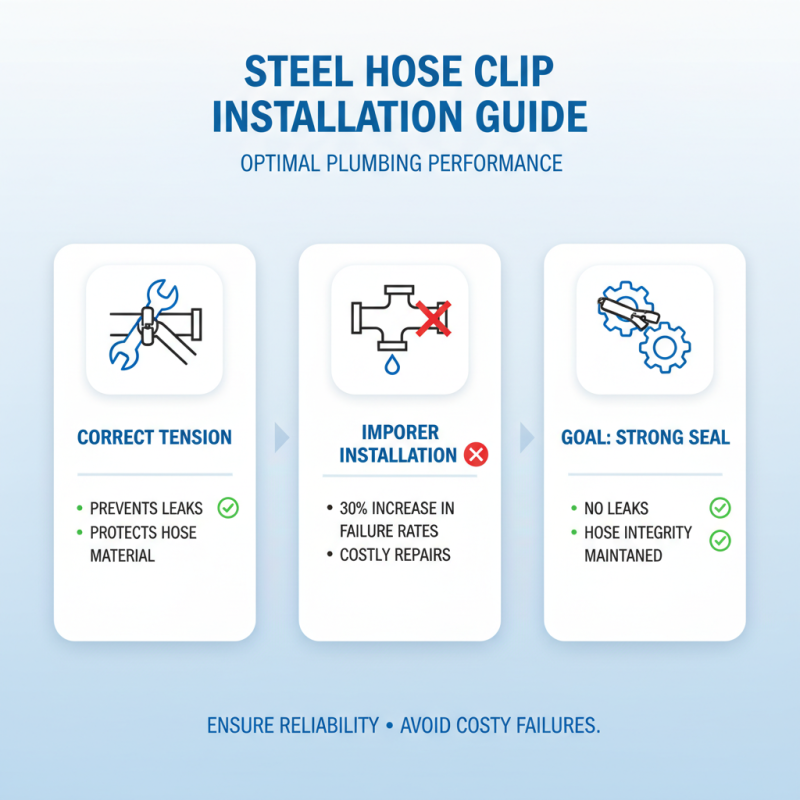
Installing steel hose clips correctly is crucial for ensuring optimal performance in plumbing applications. These clips need to be tight enough to prevent leaks, but not overly tight to avoid damage to the hose material. Industry reports indicate that improper installation can lead to a 30% increase in failure rates, which often results in costly repairs. The goal is to create a strong seal without compromising the integrity of the hoses involved.
Begin by ensuring that the hose is clean and free of debris. The surface should be dry and smooth. Place the clip around the hose, ensuring a snug fit. Using a torque wrench is recommended for applying the correct force; studies show that using a torque range of 5-7 Nm is ideal for most steel clips. This balance helps to maintain a secure connection while preventing hose deformation.
It is important to regularly inspect your clips, as wear and tear can affect performance. Over time, corrosion may weaken steel clips, and frequent adjustments could lead to stripping the threads. A proactive maintenance approach can mitigate these risks. Adjustments may be needed more frequently than expected. Always keep extra clips on hand to replace any that show signs of damage.
Maintenance Tips to Extend the Life of Steel Hose Clips
Steel hose clips are essential for ensuring strong, leak-proof connections in plumbing systems. To extend their lifespan, regular maintenance is crucial. Research indicates that proper care can increase durability by up to 30%.
One effective maintenance tip is to regularly check for corrosion. Steel clips can rust if exposed to moisture. Wipe them down with a dry cloth after use. This simple action helps prevent rust formation. Additionally, inspect for any signs of wear, such as cracks or deformation. These could weaken the clip's grip.
Lubrication can also enhance their performance. Using a silicone-based lubricant can protect against rust and friction. However, avoid over-lubrication as it may attract dirt. Keeping the clips clean is vital. A build-up of debris can compromise their effectiveness. Remember, neglecting maintenance can lead to failures, which can be costly.