How to Choose the Right Pipe Hanger for Your Plumbing Needs
Choosing the right pipe hanger is crucial for ensuring the stability and integrity of plumbing systems in both residential and commercial applications. According to a report by the American Society of Plumbing Engineers, improper piping support can lead to significant long-term repair costs, with an estimated 30% of all plumbing-related issues stemming from inadequate pipe support systems. As the construction industry continues to evolve, understanding the correct specifications and load capacities of pipe hangers becomes increasingly important for maintaining operational efficiency and safety in plumbing installations.
Industry expert John Smith, a leading authority on plumbing systems, has emphasized the significance of selecting the appropriate pipe hanger for specific projects. He stated, "The right pipe hanger not only supports the weight of the pipes but also plays a vital role in mitigating vibrations and thermal expansion, which are essential for the longevity of the plumbing system." As such, when considering which pipe hanger to utilize, it's imperative to evaluate factors such as the type of piping material, environmental conditions, and load requirements to make an informed decision. In this guide, we will explore the essential considerations that will help you choose the right pipe hanger for your plumbing needs.
Understanding Different Types of Pipe Hangers and Their Uses
When selecting the right pipe hanger for your plumbing needs, it's crucial to understand the
various types available and their
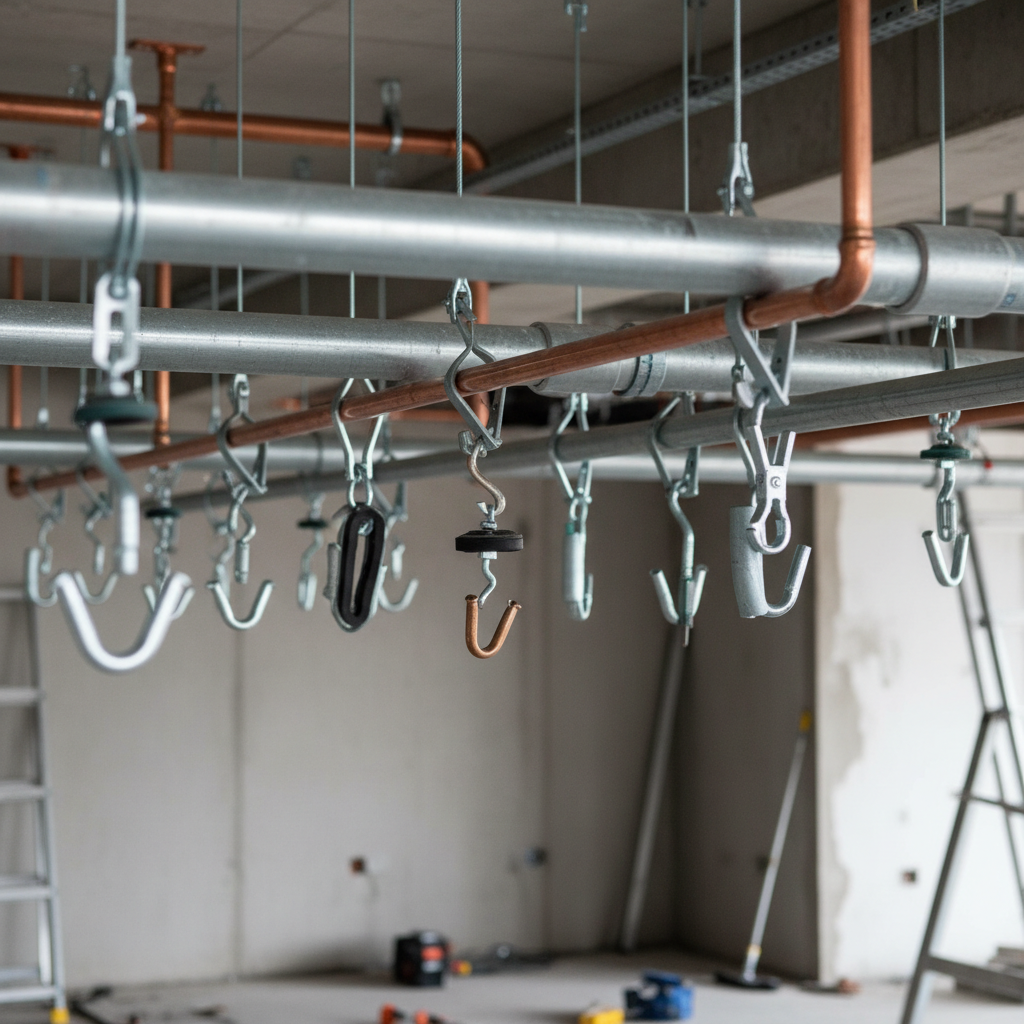
specific applications. Pipe hangers come in several forms, including clevis hangers,
pipe straps, and saddle hangers, each designed to support pipes securely
depending on the installation environment. Clevis hangers are particularly
versatile, allowing for adjustments in height and angle; they are commonly used in
commercial plumbing systems.
Pipe straps, on the other hand, are ideal for lightweight piping and can be easily
installed where space is limited.
Another important consideration is the material
of the pipe hanger, which can significantly impact durability and resistance to
environmental factors. For instance, stainless steel
hangers are preferred in corrosive environments, providing long-lasting support for
pipes carrying chemicals or in coastal areas. Understanding the types of
pipe hangers and their respective properties will help ensure you choose the
most appropriate solution
for your plumbing applications, enhancing the efficiency and longevity of your
systems.
Key Factors to Consider When Selecting Pipe Hangers for Your Project
When selecting the right pipe hanger for your plumbing project, several key factors should be taken into consideration. First and foremost, the type of piping material you are using is crucial. Different materials such as PVC, copper, or steel require specific types of hangers designed to accommodate their unique properties. For instance, PVC requires non-corrosive hangers to prevent degradation, while copper pipes may need softer materials to avoid scratches.
Another important factor is the weight and size of the pipes being installed. Make sure to choose hangers that can support the weight of your pipes without risk of sagging or failure. Additionally, consider the spacing between hangers; larger pipes generally require closer spacing to ensure stability. Environmental conditions, such as exposure to moisture or extreme temperatures, should also influence your choice, as some hangers are better suited for outdoor use or specific climatic conditions. By carefully evaluating these factors, you can ensure a secure and efficient plumbing installation.
Pipe Hanger Selection Considerations
Industry Standards and Code Requirements for Pipe Hangers
When selecting the right pipe hanger for your plumbing needs, it's essential to understand the industry standards and code requirements that govern their use. Various standards, such as those set by the American National Standards Institute (ANSI) and the International Plumbing Code (IPC), provide guidelines on the materials, spacing, and load capacities of pipe hangers. Compliance with these standards ensures not only the safety and structural integrity of your plumbing system but also enhances its longevity.
Additionally, local building codes may have specific requirements regarding pipe hangers, particularly in terms of fire safety and environmental conditions. For instance, certain installations may necessitate the use of non-corrosive materials in areas prone to moisture or corrosive substances. Understanding these regulations will help you select the appropriate type of hanger that meets both safety and functional criteria, ultimately leading to a more effective and durable plumbing system. By adhering to these industry standards and codes, you can ensure that your pipe hangers will provide reliable support while meeting all necessary safety regulations.
How to Choose the Right Pipe Hanger for Your Plumbing Needs - Industry Standards and Code Requirements for Pipe Hangers
| Pipe Diameter |
Hanger Type |
Material |
Load Capacity (lbs) |
Code Reference |
| 1 inch |
Ring Hanger |
Steel |
200 |
ANSI B31.1 |
| 2 inch |
Strut Hanger |
Aluminum |
300 |
IPC |
| 3 inch |
U-bolt Hanger |
Galvanized Steel |
500 |
NFPA 13 |
| 4 inch |
Adjustable Hanger |
PVC |
150 |
ASME B31.3 |
| 6 inch |
Clevis Hanger |
Stainless Steel |
800 |
UPC |
Material Selection: Choosing Between Metal, Plastic, and Composite Hangers
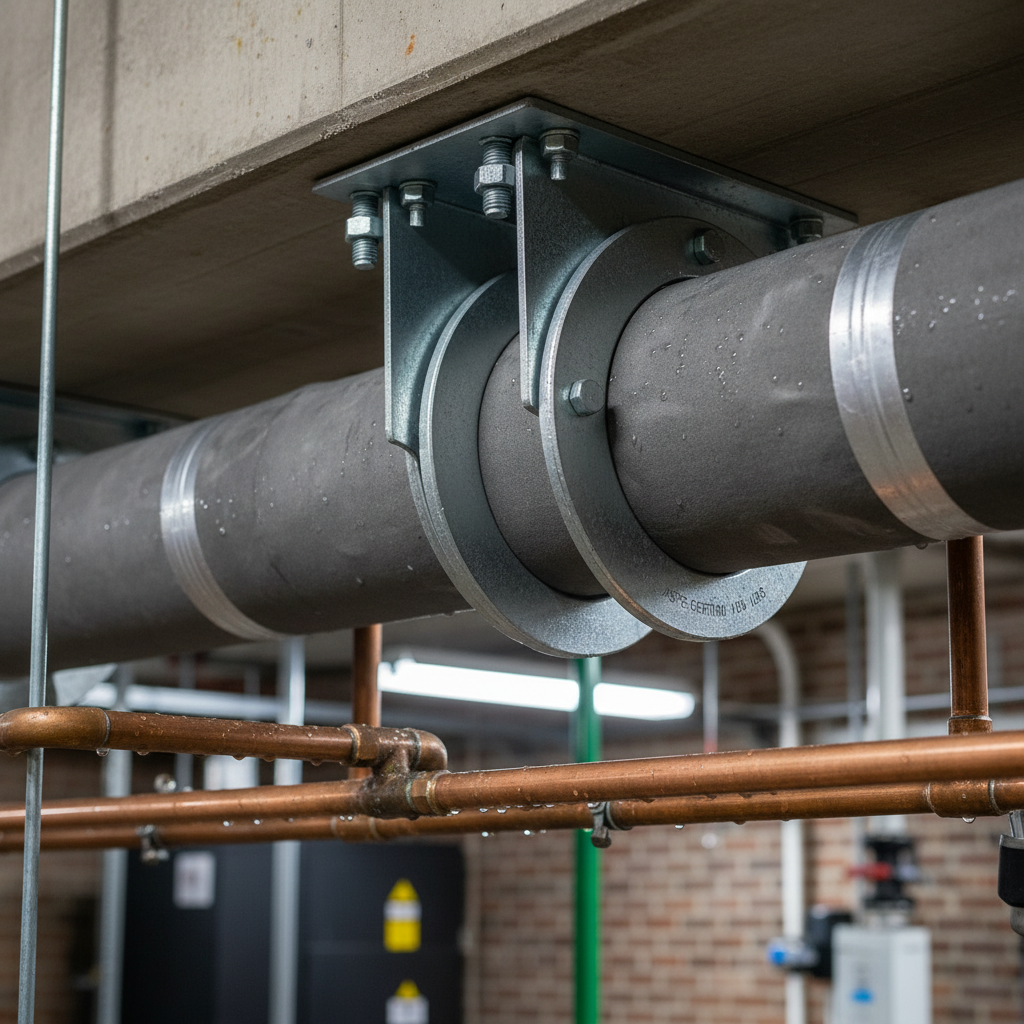
When it comes to selecting the right pipe hanger for your plumbing needs, the choice of material is crucial.
Metal hangers, typically made from steel or stainless steel, offer exceptional strength and durability.
According to a recent report by the American Society of Plumbing Engineers, metal hangers can sustain loads of up to 1,500 pounds, making them ideal for heavy-duty applications.
Their resistance to heat and corrosion also enhances their longevity, especially in environments exposed to moisture and varying temperatures.
On the other hand, plastic pipe hangers provide a lightweight and cost-effective alternative.
These are commonly constructed from high-density polyethylene or PVC, making them resistant to chemicals and suitable for certain types of plumbing systems.
Data from the Plastic Pipe Institute indicates that using plastic hangers can reduce installation times by as much as 30%, due to their ease of handling and installation.
Furthermore, composite hangers, which combine various materials, aim to leverage the benefits of both metal and plastic.
They often come with advanced features like shock absorption and vibration damping, making them suitable for dynamic systems in commercial buildings.
Overall, the choice between metal, plastic, or composite materials should align with the specific demands of the project at hand.
Sizing and Load Capacity: Ensuring Proper Support for Your Plumbing System
When selecting the right pipe hanger for your plumbing needs, it's crucial to consider sizing and load capacity to ensure proper support across your plumbing system. A properly sized hanger can prevent sagging or misalignment, which might lead to leaks or pipe damage. According to industry data, a failure in load calculations can significantly impact the longevity and efficiency of plumbing installations. For instance, the right pipe hanger must accommodate the weight and diameter of the pipes as well as the specific conditions of the environment, such as thermal expansion and vibrations.
Furthermore, the market trends indicate a growing emphasis on durable and adaptable materials. Reports show that the HDPE pipe market is projected to reach USD 25.68 billion by 2029, reflecting a shift towards materials that offer enhanced load capacities and support. Choosing pipe hangers that align with these market developments is essential for ensuring long-term performance and reliability in plumbing infrastructure. Investing in the right supports not only optimizes the functionality of your plumbing system but also contributes to sustainable practices in construction and maintenance.