How to Choose the Right Clevis Hanger for Your Project Needs
Choosing the right clevis hanger for your project is a critical step that can significantly impact the efficiency and safety of your construction or manufacturing operations. According to a report by the Global Construction Industry, the demand for reliable support systems has surged, with clevis hangers being a preferred choice due to their durability and versatility. These fasteners are essential in suspending pipes, conduits, and ductwork, ensuring they remain securely in place under various conditions.
With the market projected to reach $1.5 billion by 2025, as noted in the Industrial Fasteners Market Analysis, understanding the specifications and applications of clevis hangers becomes paramount. The right selection not only enhances structural integrity but also complies with industry standards and regulations. Therefore, it's vital to assess factors such as load capacity, material composition, and installation environment when selecting the most suitable clevis hanger for your specific project needs. As construction and industrial applications evolve, leveraging informed choices in hardware can lead to improved outcomes and greater efficiency in your projects.

Understanding the Basics of Clevis Hangers and Their Applications
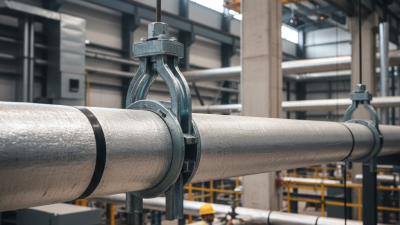
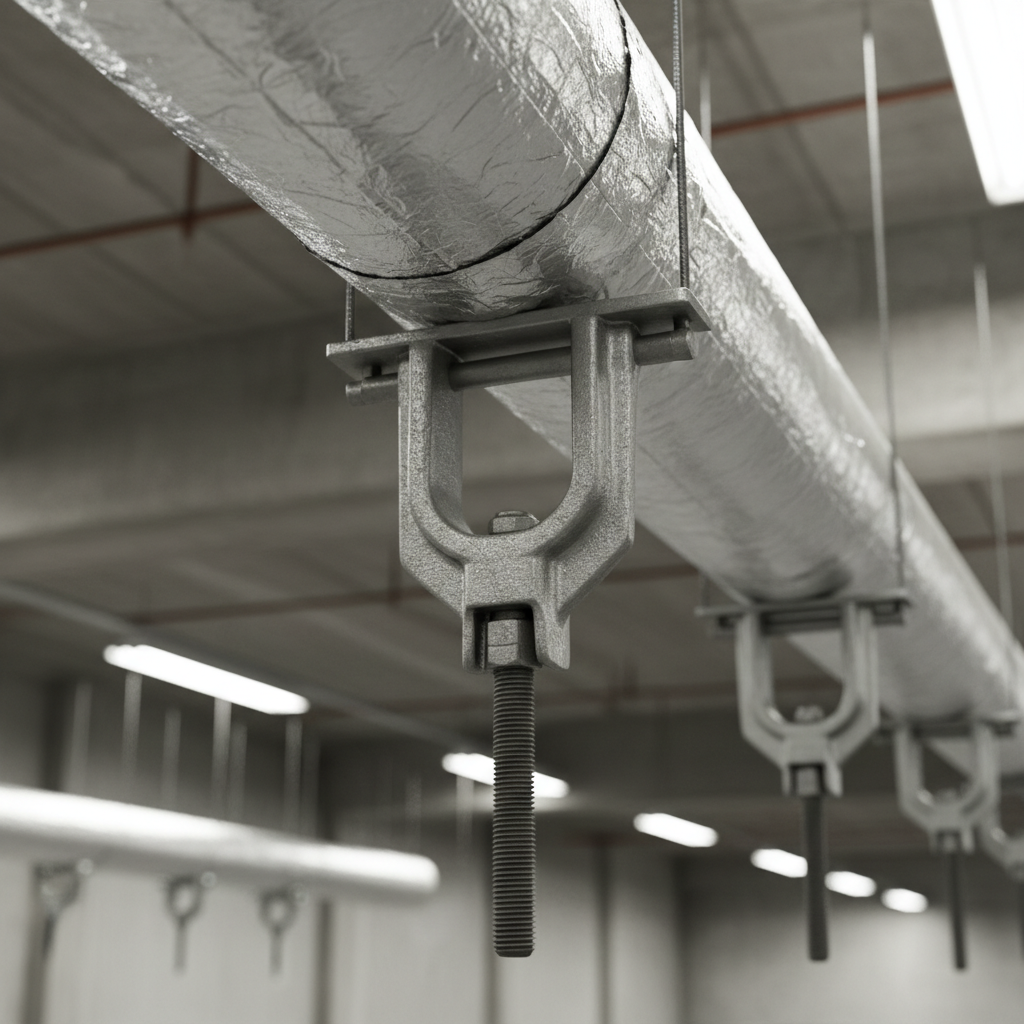
Clevis hangers are essential components used in various construction and mechanical applications. Understanding their basic structure and function is crucial for selecting the right type for your project. A clevis hanger consists of a U-shaped component that secures pipes or other materials, allowing for support as well as some degree of rotation. This is particularly beneficial in environments where temperature fluctuations might cause expansion or contraction of materials.
In terms of applications, clevis hangers are widely used in plumbing, HVAC systems, and even in the installation of electrical conduits. The choice of material—be it steel, galvanized steel, or plastic—depends on the environment and load requirements. For example, galvanized steel is suitable for outdoor use due to its corrosion resistance, while plastic options may be better suited for indoor environments where moisture is controlled. Understanding these fundamental elements ensures you select the most appropriate clevis hanger, thereby enhancing the durability and efficiency of your project.
Clevis Hanger Load Capacities
This chart shows the load capacities (in pounds) of different sizes of clevis hangers commonly used in various projects.
Key Factors to Consider When Selecting a Clevis Hanger for Your Project
When selecting a clevis hanger for your project, several key factors come into play. First, it’s essential to consider the load-bearing capacity required for your specific application. Clevis hangers are designed to support various weights and loads, so understanding the weight of the piping or ductwork you intend to hang is crucial. Choosing a hanger with an inadequate load rating can lead to system failures, while selecting one with excess capacity may unnecessarily increase costs.
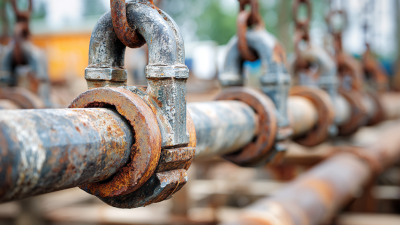
Additionally, the material of the clevis hanger is another important factor. Different materials, such as steel or plastic, offer varying levels of durability and resistance to environmental factors. For instance, galvanized steel is often preferred for outdoor or corrosive environments due to its resistance to rust and corrosion. If the project is indoors and in a dry setting, lighter materials might suffice. Furthermore, considering the installation method and space requirements will ensure that the selected hanger fits appropriately within the existing framework, allowing for a secure and efficient setup.
Comparing Materials: Metal vs. Plastic Clevis Hangers for Durability
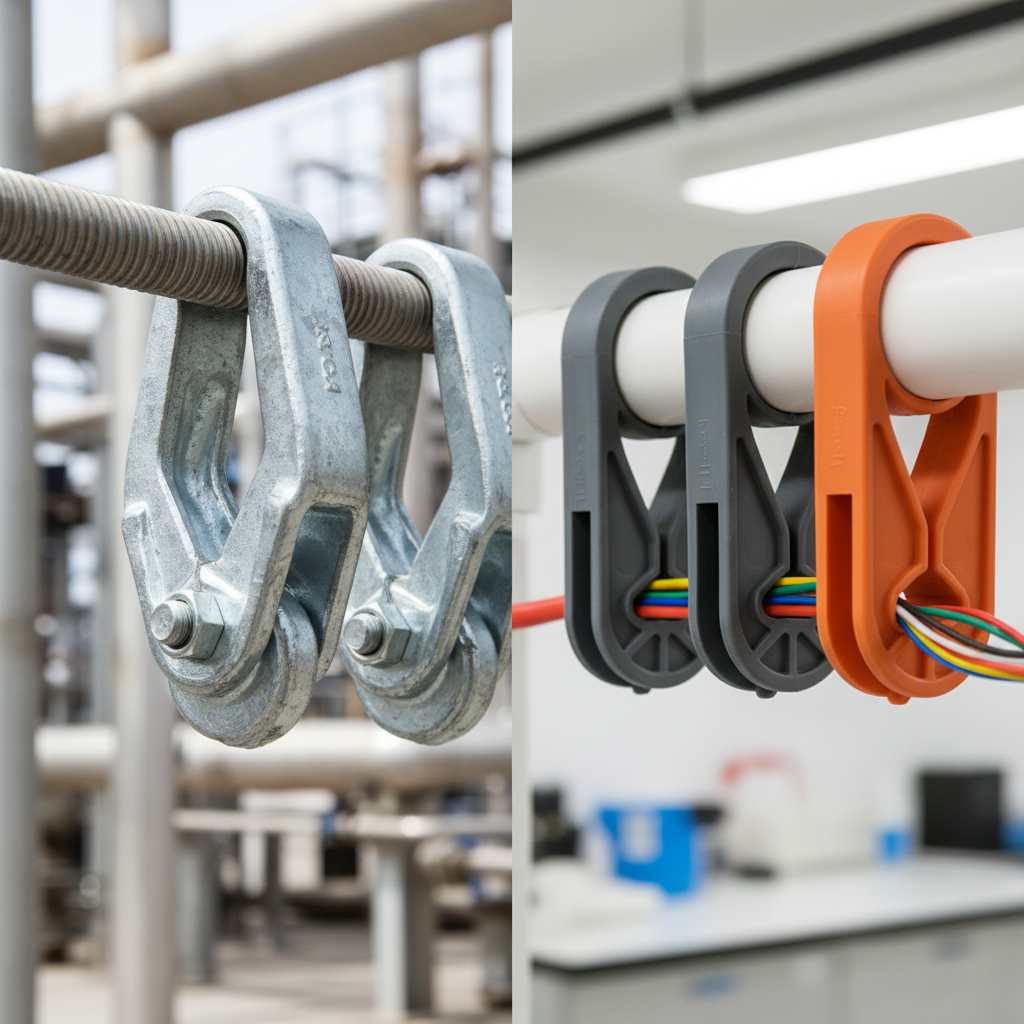
When selecting a clevis hanger for your project, understanding the material differences between metal and plastic is crucial for ensuring durability and effectiveness. Metal clevis hangers, often made from steel or stainless steel, provide excellent strength and can withstand heavy loads and extreme environmental conditions. They are ideal for applications in industrial settings where robustness and longevity are paramount. Additionally, metal hangers resist corrosion, especially those coated or made from stainless materials, making them suitable for both indoor and outdoor use.
On the other hand, plastic clevis hangers offer a lightweight option that is often more resistant to rust and corrosion compared to their metal counterparts. They are the preferred choice in applications where moisture is a concern, such as plumbing or chemical installations. While they may not support as much weight as metal options, advancements in plastic manufacturing have enhanced their durability and load-bearing capabilities, making them reliable for certain projects. Ultimately, the decision between metal and plastic clevis hangers should be guided by your specific project requirements, taking into account the environment, load demands, and durability needs.
Weight Capacity and Size: Ensuring Your Clevis Hanger Meets Project Specifications
When selecting the right clevis hanger for your project, understanding weight capacity and size is crucial to ensure the component meets your specific needs. According to a report by the Construction Industry Institute, improper load management can lead to structural failures, accounting for nearly 25% of project delays. Thus, knowing the weight capacity of clevis hangers—typically ranging from 200 pounds to over 10,000 pounds depending on the design and material—is essential for maintaining safety and efficiency.
Additionally, the size of the clevis hanger must align with the diameter of the pipe or duct it supports. ASHRAE (the American Society of Heating, Refrigerating and Air-Conditioning Engineers) recommends proper sizing to prevent vibrations that could weaken connections over time. For instance, an undersized hanger may not only diminish weight capacity but also lead to increased wear on both the fittings and the hangers themselves. Therefore, thorough calculations and adherence to industry guidelines can help avoid costly mistakes and ensure your project’s integrity.
Common Mistakes to Avoid When Choosing Clevis Hangers for Installation
When selecting clevis hangers for installation, avoiding common mistakes can significantly impact the success of your project. One prevalent error is underestimating the load requirements. According to a report by the American Society of Civil Engineers (ASCE), inappropriate load calculations are responsible for a significant portion of installation failures. Always refer to the manufacturer’s load ratings and ensure that the chosen clevis hanger can support at least 1.5 times the anticipated load to incorporate safety margins.
Another frequent mistake is neglecting material compatibility. Choosing the wrong material can lead to corrosion, especially in high-moisture environments. A study from the National Association of Corrosion Engineers (NACE) highlights that over 50% of installation problems stem from using incompatible materials. Stainless steel clevis hangers, for instance, offer superior resistance in such settings compared to standard carbon steel. Therefore, evaluating the environment and material properties is crucial for longevity and reliability in your installations.
How to Choose the Right Clevis Hanger for Your Project Needs - Common Mistakes to Avoid When Choosing Clevis Hangers for Installation
| Dimension |
Material |
Load Capacity (lbs) |
Common Mistakes |
| 1" x 1" |
Steel |
200 |
Not checking compatibility with pipe size |
| 2" x 2" |
Galvanized Steel |
450 |
Ignoring environmental factors |
| 3" x 3" |
PVC |
150 |
Overestimating load capabilities |
| 4" x 4" |
Stainless Steel |
700 |
Failing to consider vibration |