How to Choose the Best British Hose Clamp for Your Needs?
Choosing the right British Hose Clamp is crucial for your plumbing and automotive projects. Recent industry reports indicate a surge in demand for these clamps, driven by the growing automotive sector. According to a 2022 market analysis, the global hose clamp market is projected to grow at a CAGR of 4.5% through 2028.
Selecting a suitable British Hose Clamp involves understanding your specific needs. From size to material, various factors come into play. For instance, stainless steel clamps offer superior durability, but they may be more costly. Additionally, the wrong clamp can lead to leaks or system failures, leading to costly repairs.
A reliable British Hose Clamp can ensure safety and efficiency in your applications. However, not all clamps meet the same standards. It’s essential to research and choose one backed by industry certifications. Inadequate choices often result in frustration and wasted time. Thus, informed decisions are pivotal to achieving optimal performance.
Understanding Different Types of British Hose Clamps Available
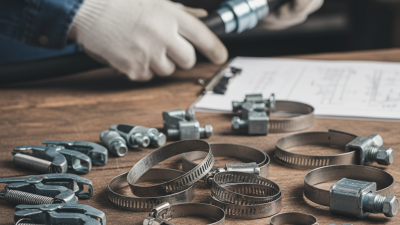
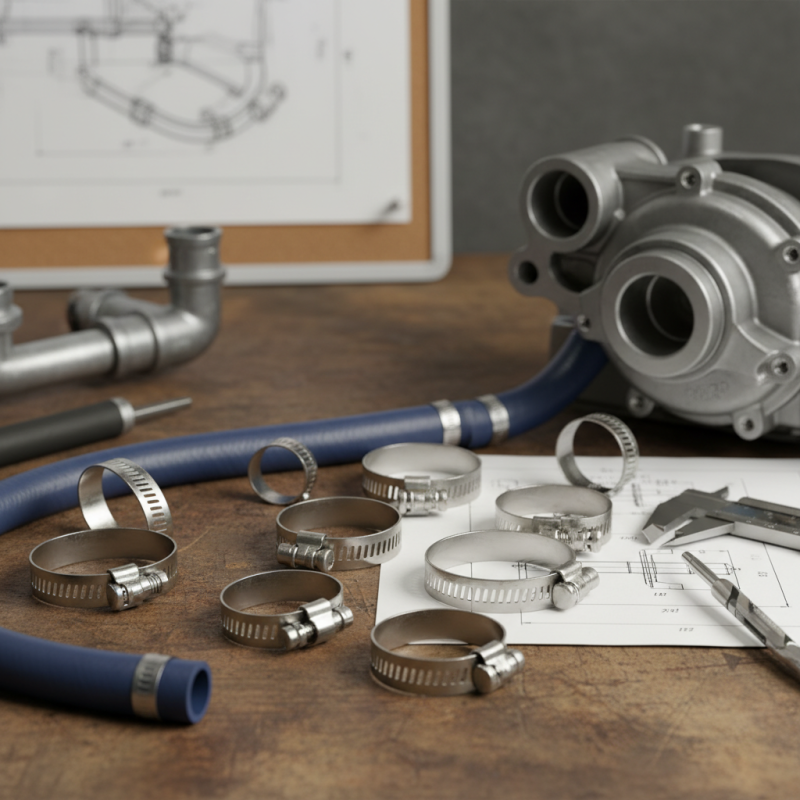
When selecting the best British hose clamp, understanding the various types is crucial. British hose clamps typically fall into several categories: worm gear clamps, spring clamps, and pinch clamps. Worm gear clamps are versatile and easy to adjust. They consist of a metal band and a gear mechanism for tightening. Spring clamps, on the other hand, offer a quick solution for low-pressure systems, utilizing a spring mechanism to maintain tension without requiring additional tools.
Industry studies indicate that nearly 30% of hose failures are linked to improper hose clamps. This emphasizes the importance of choosing the appropriate clamp for your application. Consider the material of the clamp, as stainless steel options provide excellent resistance against corrosion. Investigate the specifications of the hose and the pressure levels it will encounter. A mismatch can lead to leaks or even complete failures.
**Tip**: Always measure your hose diameter before purchasing. Accurate sizing ensures a proper fit and enhances performance.
**Tip**: For high-temperature applications, choose clamps specifically rated for heat resistance. This prevents material degradation and extends longevity.
Reflecting on clamp choices can improve overall system reliability. Consider whether a single-use or reusable clamp better suits your needs. Your application’s demands dictate the decision, underscoring the need for careful evaluation.
Key Features and Specifications to Consider in Hose Clamps
When selecting a British hose clamp, consider the essential features that match your needs. The material of the clamp is critical. Stainless steel offers resilience against rust. However, it can be more expensive. A zinc-plated variety may be more affordable and provide decent resistance. Ensure the material fits your environment.
The size of the clamp is also important. Measure the hoses you plan to use. A tight fit ensures proper sealing. Look for clamps that allow for minor adjustments. This flexibility can save time if your hoses vary in size. Always check the clamp's pressure rating, especially in high-demand settings.
Installation features should not be overlooked. Some hose clamps come with easy-to-use knobs, while others require tools. Simpler installation can save you frustration. Review user experiences to identify common issues. This can guide you to a more reliable choice. Ultimately, balancing quality and affordability can lead to a better purchase, but gather your information carefully.
Assessing Material Quality and Durability for Long-Term Use
When choosing a British hose clamp,
material quality is crucial. Stainless steel is often preferred due to its strength and corrosion resistance.
According to a report by the Fastener Technology International, up to 80% of hose clamp failures result from subpar materials.
High-quality stainless steel can withstand harsh environments, ensuring long-term durability.
Another important aspect is the clamp's finish. A smooth finish reduces wear on hoses and extends their lifespan.
Some reports indicate that galvanized coatings can enhance resistance to rust, but they may not outperform higher-grade stainless options in extreme conditions.
Proper evaluation of the material type and finish can lead to better performance.
Finally, consider factors like pressure ratings and size. Many clamps have specific pressure ratings.
If you choose the wrong size, it could lead to leaks or even hose failure. Some users underestimate this.
Thus, ensuring you have the right specifications is essential for reliable use.
How to Determine the Right Size of Hose Clamp for Your Application
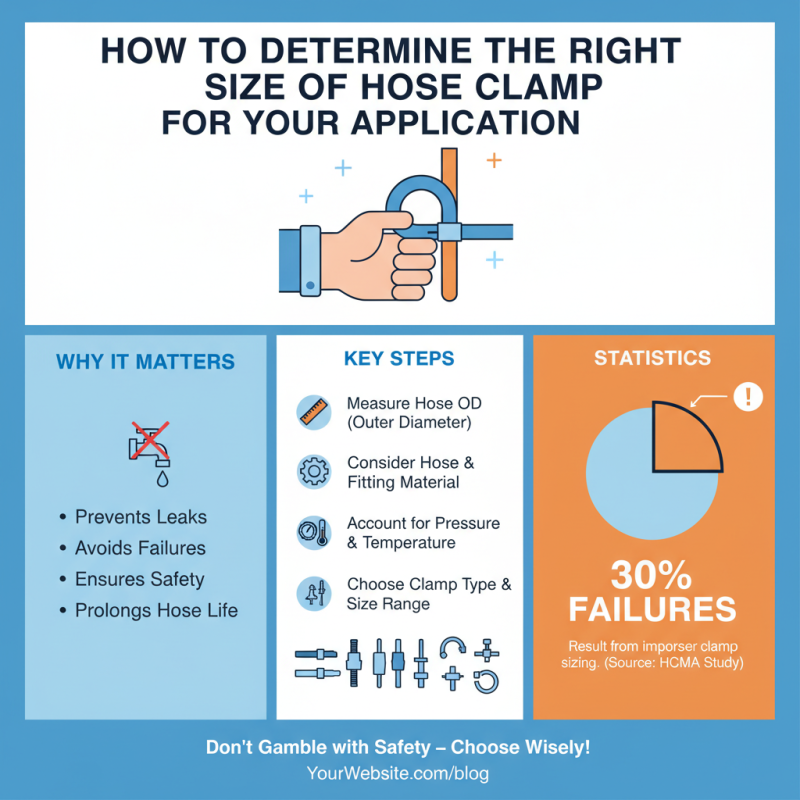
Choosing the right size of hose clamp is crucial for any application. An ill-fitting clamp can lead to leaks or even catastrophic failures. Research indicates that a significant percentage of hose failures result from improper clamp sizes. In fact, a study by the Hose Clamp Manufacturers Association found that nearly 30% of hose failures can be traced back to sizing issues.
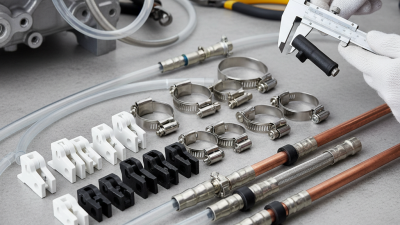
When selecting a hose clamp, measure the outer diameter of the hose. It's essential to account for any hose elasticity. A loose fit can cause slippage, while a tight fit might damage the hose. Professional guidelines suggest allowing for a 10% tolerance in size. Standard size charts are available, but remember every application can be unique. Factors like pressure and temperature must be considered.
The material of the hose is also a determining factor. For instance, rubber hoses expand more than metal ones. Industry experts recommend using specialized clamps for high-pressure environments. Selecting the wrong type can lead to failures even if the size is correct. Always refer to reliable data when making these decisions, as even minor oversights can result in significant consequences.
Tips for Ensuring Proper Installation and Maintenance of Hose Clamps
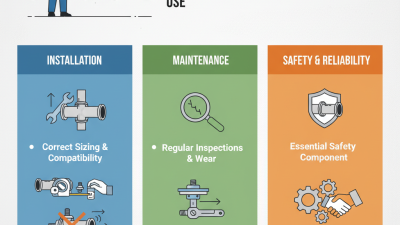
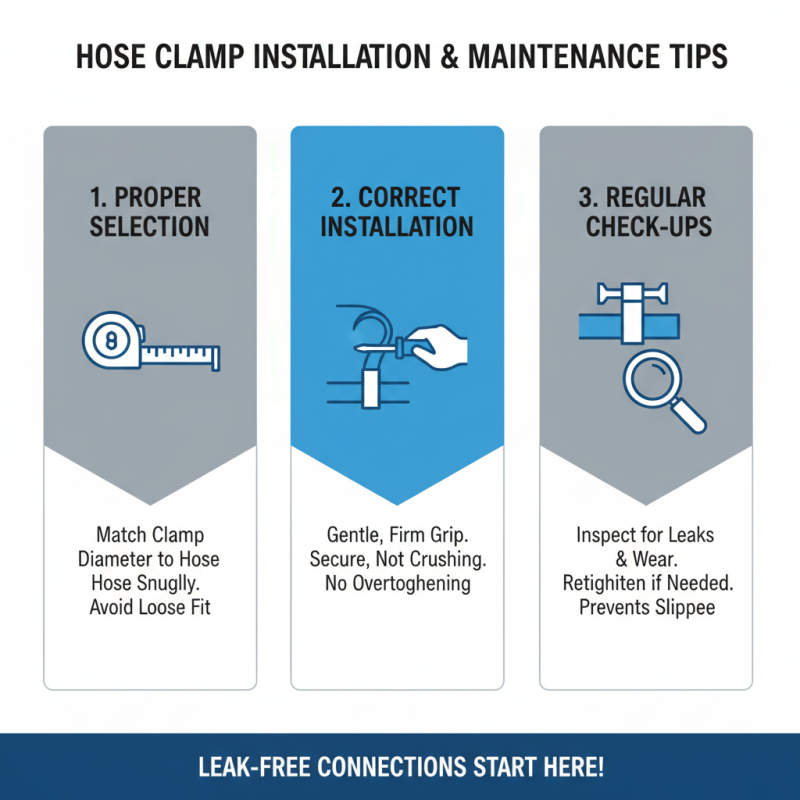
Proper installation of hose clamps is crucial for their effectiveness. A correctly installed clamp ensures a leak-free connection. When using a hose clamp, ensure it fits the diameter of the hose snugly. A loose fit can lead to slippage. It's important not to over-tighten, as this can damage the hose. A gentle, firm grip is ideal, allowing the clamp to hold securely without causing harm.
Routine maintenance can extend the lifespan of your hose clamps. Regularly check for corrosion, especially in humid environments. Look for signs of wear, such as cracks or breaks. If you notice any damage, consider replacing the clamp immediately. Keeping the hose and clamp clean also prevents buildup that can compromise the seal. Addressing these small details can prevent larger issues down the line.
Installation can often be overlooked. Many assume they can just tighten the clamp and move on. However, taking the time to ensure a proper fit is vital. Cleaning the hose ends before installation helps achieve a better seal. When you think through each step, you can avoid potential issues in the future. Evaluating your approach each time you install or maintain a hose clamp makes a significant difference.