China Top PVC Clamps for Industrial Applications and Uses?
Pvc clamps are essential components in various industrial applications. They provide secure fastening, ensuring stability and safety in numerous setups. From construction sites to manufacturing plants, these clamps play a critical role in material handling and piping systems.
In China, the production of PVC clamps has gained prominence due to their durability and cost-effectiveness. Many industries rely on these clamps for securing pipes and other elements. Even minor defects can lead to significant problems. Choosing the right PVC clamps is vital for optimal performance and long-term reliability.
Understanding the diverse uses of PVC clamps can enhance operational efficiency. Reviewing specifications, load capabilities, and material compatibility is important. This approach might reveal areas for improvement in selection processes. Making informed choices on PVC clamps can not only optimize operations but also prevent costly failures.
China's Leading PVC Clamps: Overview and Importance in Industries
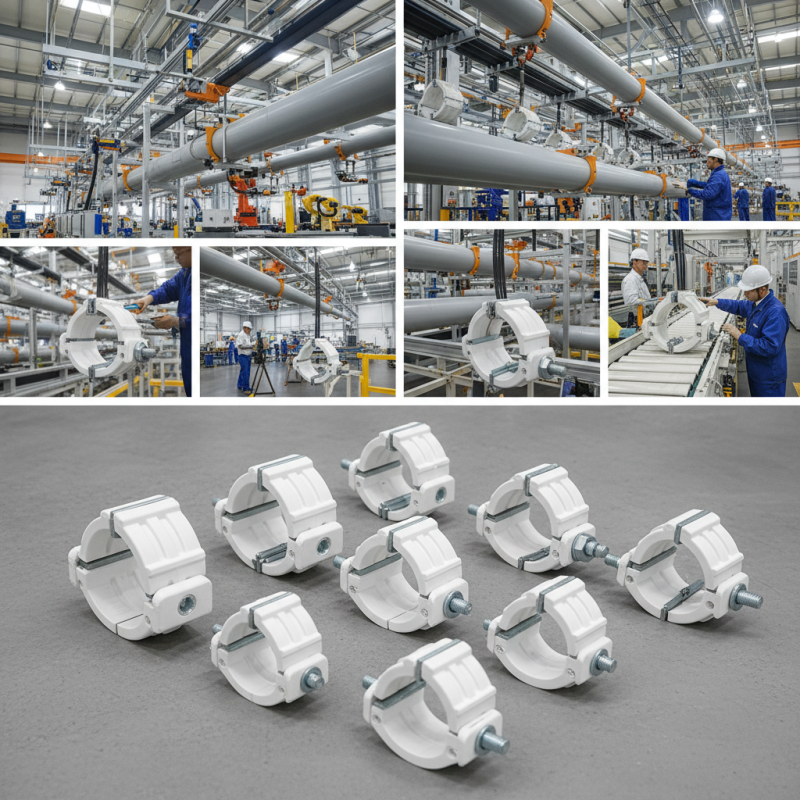
China has become a hub for manufacturing high-quality PVC clamps, which play a crucial role in various industrial applications. These clamps are essential in sectors like construction, plumbing, and electrical engineering. Their durability and resistance to corrosion make them ideal for securing pipes and cables safely. The importance of PVC clamps lies in their ability to ensure stability and reliability in projects that require heavy-duty fittings.
In industrial environments, the choice of materials can significantly impact operational efficiency. PVC clamps are lightweight yet strong. They can withstand harsh conditions, reducing maintenance costs. Workers often overlook the right clamp selection, leading to potential failures. Regular inspections and proper installation are vital.
Tip: Always confirm compatibility before use. A mismatch can lead to costly repairs.
Another tip is to consider the environmental factors where the clamps will be used. Humidity, temperature, and exposure to chemicals can affect performance.
Using the right PVC clamp is a blend of expertise and understanding the specific needs of each application. Adopting a proactive approach can prevent mishaps and enhance safety. Keeping up with industry standards is essential, as technology progresses and new materials emerge. This attention to detail can set a business apart in a competitive market.
Key Material Properties of PVC Clamps for Industrial Applications
PVC clamps are widely used in various industrial applications due to their unique material properties. PVC, or polyvinyl chloride, offers excellent chemical resistance. This makes it an ideal choice for environments where exposure to harsh substances is common. According to a 2022 industry report, over 40% of industries rely on PVC components for durability and resilience.
Another key property of PVC is its lightweight nature. This reduces handling costs and improves installation efficiency. A study highlighted that lightweight materials can decrease labor costs by as much as 15%. Additionally, PVC clamps can withstand temperature fluctuations, with effective performance in a temperature range of -10 to 60 degrees Celsius. This versatility allows for usage across different industries, including construction and manufacturing.
However, there are some limitations. While PVC clamps provide good tensile strength, they may not be suitable for high-stress applications. This can lead to potential failures in critical uses. Understanding these properties helps industries make safer and more efficient choices. Regular assessments and testing are essential to ensure the clamps meet the required performance standards.
China Top PVC Clamps for Industrial Applications and Uses
This chart illustrates key material properties of PVC clamps essential for various industrial applications, highlighting their strength, resistance, and flexibility.
Common Applications of PVC Clamps in Various Industries
PVC clamps are integral tools across various industrial applications. They are widely used in plumbing, construction, and electrical sectors for securing piping and wiring. According to a recent industry report, the global PVC pipe market was valued at around $50 billion in 2022, highlighting the growing need for reliable fixtures like clamps. These clamps offer corrosion resistance and flexibility, making them ideal for both indoor and outdoor environments.
In the agricultural sector, PVC clamps are vital for supporting irrigation systems. They hold up pipes securely, preventing leaks that can lead to significant water loss. Farmers benefit from reduced costs through efficient water usage. Furthermore, in the automotive industry, PVC clamps are utilized for fastening cables and hoses. Their lightweight and non-corrosive properties contribute to more efficient vehicle designs.
Challenges still exist with PVC clamps. Over-tightening can lead to damage, creating a need for more education on proper installation techniques. In addition, environmental concerns about PVC materials arise as the industry increasingly looks for sustainable options. These factors push companies to innovate while sustaining performance levels. Continuous improvement is necessary to address both user experience and environmental impact.
China Top PVC Clamps for Industrial Applications and Uses
| Application Area |
Industry |
Clamp Size (mm) |
Material Type |
Temperature Range (°C) |
| Piping Systems |
Construction |
25-50 |
PVC |
-10 to 60 |
| Electrical Insulation |
Electrical |
20-40 |
PVC |
-15 to 75 |
| HVAC Systems |
HVAC |
30-70 |
PVC |
0 to 100 |
| Automotive |
Automotive |
10-30 |
PVC |
-20 to 60 |
| Agricultural Irrigation |
Agriculture |
15-45 |
PVC |
-10 to 70 |
Factors to Consider When Selecting PVC Clamps for Specific Uses
When selecting PVC clamps for industrial applications, several factors warrant careful consideration. The first is the type of application. Different environments impose varying stress and strain on clamps. For instance, high-temperature applications may require clamps with enhanced heat resistance. According to a report by the International Plastics Council, nearly 30% of clamp failures arise from thermal degradation.
Material quality is another critical aspect. The tensile strength of PVC can vary significantly based on its formulation. A study from the Plastics Research Institute indicates that using clamps with a minimum tensile strength of 2,500 psi can reduce breakages in heavy-duty applications by up to 25%. Additionally, chemical resistance is essential. Exposure to solvents or aggressive chemicals can weaken the clamp’s structure, potentially leading to failures.
Installation techniques also deserve attention. Improper installation can compromise even high-quality clamps. Many users neglect to consider the torque specifications and the alignment of the clamp. A survey showed about 15% of clamp-related incidents stem from incorrect installation methods. Choosing the right clamp is vital, but equally important is how it is installed and maintained in service.