Best Pipe Straps for Secure Pipe Support and Installation?
In the world of plumbing and installation, securing pipes effectively is crucial. A well-respected expert in the field, John Smith, once stated, "Using the right Pipe Strap can prevent costly leaks and damage." This underscores the importance of choosing high-quality pipe straps for any project.
Pipe straps are not just accessories; they ensure stability and safety. Without proper support, pipes can shift or break, leading to severe issues. Many professionals overlook the impact of a good strap. It may seem trivial, but the right choice can save time and money.
When evaluating pipe straps, consider material and size. Each project has unique demands. Issues arise when the wrong strap is used. This can lead to improper installation and inefficiencies. A thoughtful approach in selecting the right Pipe Strap makes all the difference. The right choice enhances durability and overall system performance.
Types of Pipe Straps: An Overview of Materials and Designs
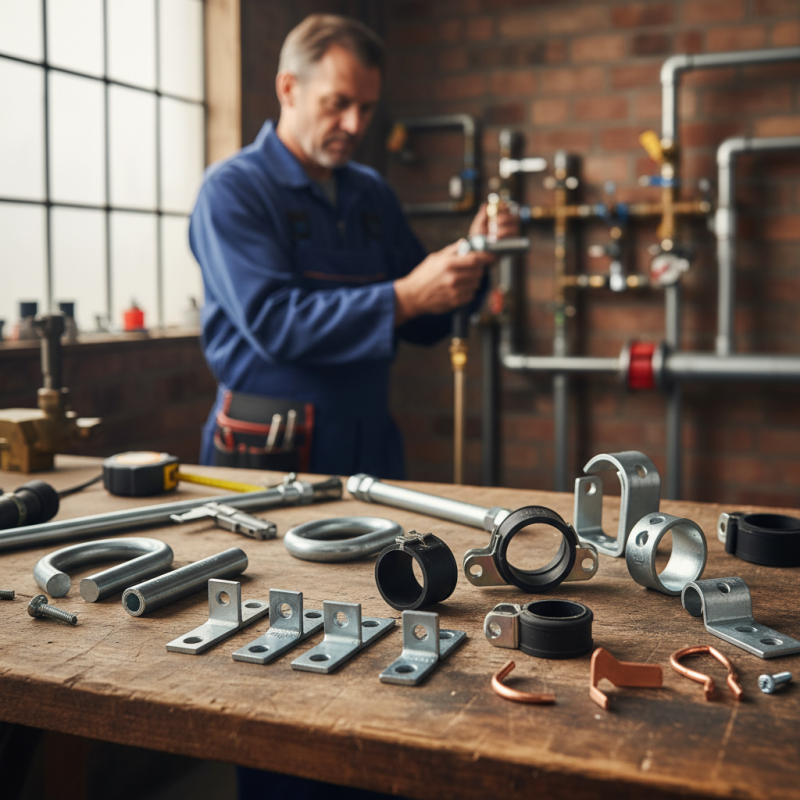
When it comes to pipe support, selecting the right strap is crucial. Various materials and designs offer distinct advantages for different applications. Metal straps are sturdy and durable. They are great for heavier pipes. However, metal can corrode over time, especially in damp environments. This is a potential downside to consider.
Plastic straps, on the other hand, are lightweight and resistant to corrosion. They are ideal for lightweight pipes and installations where moisture is a concern. However, plastic may not bear heavy loads as well as metal. This can lead to issues if the wrong type is used.
Finally, stainless steel straps blend the best of both worlds. They resist corrosion and provide strength. However, they might be more expensive than other options. Choosing the right material involves balancing cost and functionality. Each type has pros and cons that require careful thought. Making an informed choice can significantly affect the longevity and reliability of your pipe installation.
Best Pipe Straps for Secure Pipe Support and Installation
| Type |
Material |
Application |
Load Capacity |
Notes |
| Standard Pipe Strap |
Steel |
Indoor/Outdoor |
Up to 200 lbs |
Commonly used for plumbing |
| Adjustable Pipe Strap |
Zinc-Plated Steel |
Indoor Outlets |
Up to 150 lbs |
Flexibility in pipe size |
| Plastic Pipe Strap |
PVC |
Indoor Use |
Up to 50 lbs |
Lightweight and corrosion-resistant |
| Heavy-Duty Pipe Strap |
Stainless Steel |
Industrial Applications |
Up to 300 lbs |
Durable and rust-resistant |
| Insulated Pipe Strap |
Foam and Steel |
HVAC Systems |
Up to 100 lbs |
Reduces thermal transfer |
Key Features to Consider When Choosing Pipe Straps for Projects
When choosing pipe straps for your projects, several key features should be considered. The material of the strap is crucial for durability. Options include stainless steel and nylon. Each material has its own strengths and weaknesses. Stainless steel offers corrosion resistance. However, it can be heavier and more costly. On the other hand, nylon is lightweight and resistant to harsh chemicals. Yet, it might struggle under extreme temperatures.
The size of the strap must match the pipe diameter accurately. Misalignment can lead to weak support and potential failures. The design of the strap is also essential. Look for adjustable options. These can save time during installation. According to industry reports, improperly secured pipes can lead to leaks and costly repairs.
Tip: Always check the load capacity of the strap. Exceeding it can compromise the installation. Additionally, inspect the area around the pipe for any obstructions. Clear space ensures proper support.
Another aspect to consider is the installation process. Some straps require specific tools, while others are quick to install. Assess your team's ability and equipment before purchasing. Convenience can save on labor costs. Each project presents unique challenges. Learning from past mistakes will lead to better decisions in future installations.
Installation Techniques for Pipe Straps: Best Practices
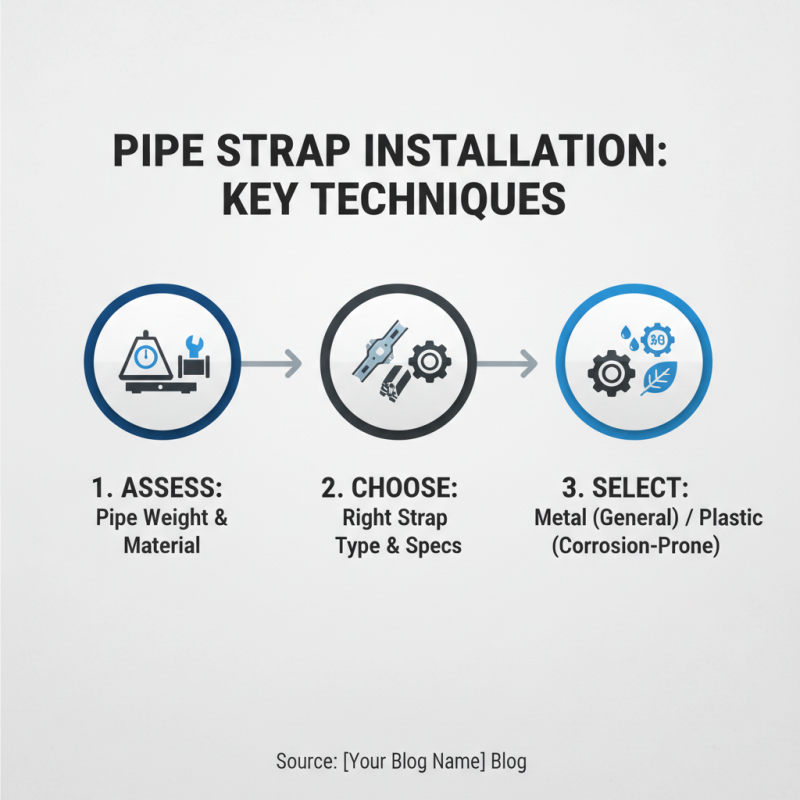
When installing pipe straps, proper techniques are vital. First, assess the pipe's weight and material. This step ensures you select the right strap type. Choose straps that suit both the environment and pipe specifications. Metal straps work well in various conditions, while plastic options are ideal for corrosion-prone areas.
Next, consider spacing. Straps should be placed strategically. Typically, they should be spaced no more than 10 feet apart. This guideline helps prevent sagging and protects the pipe. Ensure the straps are tightened but not overtightened. Over-tightening can cause damage to the pipe, leading to future issues.
Always double-check your work. After installation, inspect each strap for stability. A loose strap may lead to a complete failure later on. Remember, even small mistakes can have significant consequences. Take your time during installation to avoid potential setbacks.
Common Applications for Pipe Straps in Various Industries
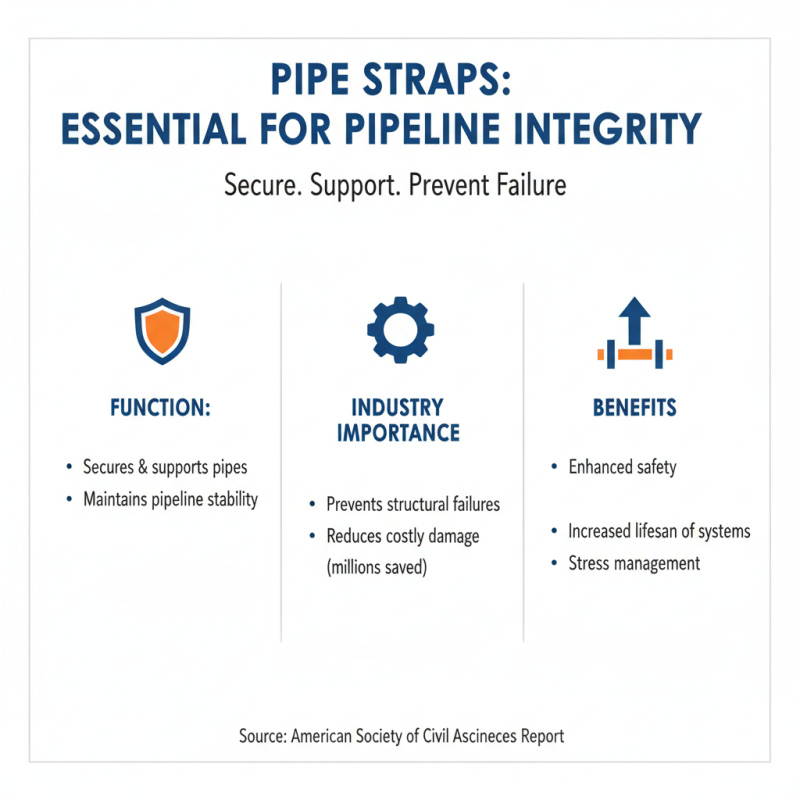
Pipe straps are essential in various industries for securing and supporting pipes. They help maintain the integrity of pipelines under different stresses. In construction, a report from the American Society of Civil Engineers indicates that improper pipe support can lead to significant structural failures, costing companies millions. Pipe straps help manage these stresses effectively, preventing potential hazards.
In HVAC systems, the use of pipe straps is crucial. A recent industry publication highlighted that 30% of HVAC failures are attributed to poor pipe support. Inadequate installation can lead to leaks and energy inefficiency. The right choice of pipe straps ensures pipes are securely fastened, contributing to system reliability and efficiency.
In the oil and gas sector, the need for durable pipe straps is evident. A study shows that mechanical failures can lead to 15% more downtime. This significantly impacts productivity and increases costs. Pipe straps must withstand harsh conditions while ensuring safety. Choosing the wrong material or method reflects a lapse in planning that needs addressing. Each industry has unique requirements, and awareness of these can lead to better practices and improved outcomes.
Maintenance Tips for Ensuring Long-lasting Pipe Strap Performance
When it comes to pipe strap maintenance, regular checks are essential. Corrosion is a common issue. According to industry reports, 35% of pipeline failures are due to inadequate support. Expanding or contracting pipes can lead to loosening over time. A proper maintenance schedule can help avoid this.
Inspect the condition of the straps frequently. Look for rust or wear. If you notice any signs of damage, replace them immediately. The US Department of Transportation emphasizes that improper support can lead to leaks. Avoiding such issues can save money in the long run.
Use the right tools for installation and inspection. Tightening pipes too much can cause stress points. According to industry findings, 25% of installations were found to be over-tightened. This can cause damage, leading to costly repairs. A balanced approach ensures longevity and performance.