2026 Best No Hub Connector Options for Your Smart Home?
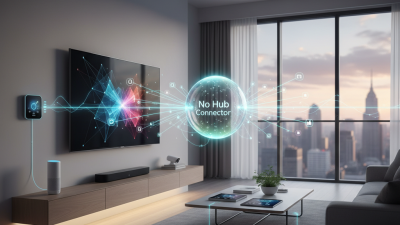
In the rapidly evolving landscape of smart home technology, the demand for efficient No Hub Connectors is on the rise. According to a recent report by Smart Home Insights, the No Hub Connector market is projected to grow by 25% annually over the next five years. This shift is largely driven by consumer preferences for seamless connectivity and ease of use. As highlighted by industry expert Dr. Eric Thompson, "No Hub Connectors empower users to enhance their smart homes without the clutter of additional devices."
These connectors eliminate the need for bulky central hubs, streamlining the setup process for users. They connect devices directly to Wi-Fi, making installation more straightforward. Yet, some users report challenges in compatibility with certain devices. Finding the right No Hub Connector that suits specific needs may require careful research. The available options can be overwhelming, and not all deliver consistent performance.
With a myriad of choices, consumers must reflect on their unique smart home requirements. Evaluating user reviews alongside product specifications remains crucial. A well-informed decision can pave the way for a more cohesive smart home experience. As the market evolves, the crucial question remains: which No Hub Connector will best meet the needs of modern consumers?
Overview of No Hub Connectors for Smart Homes in 2026
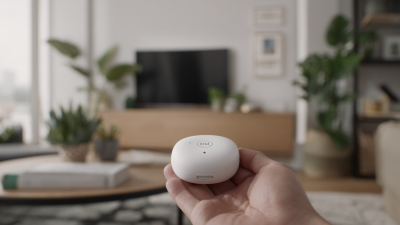
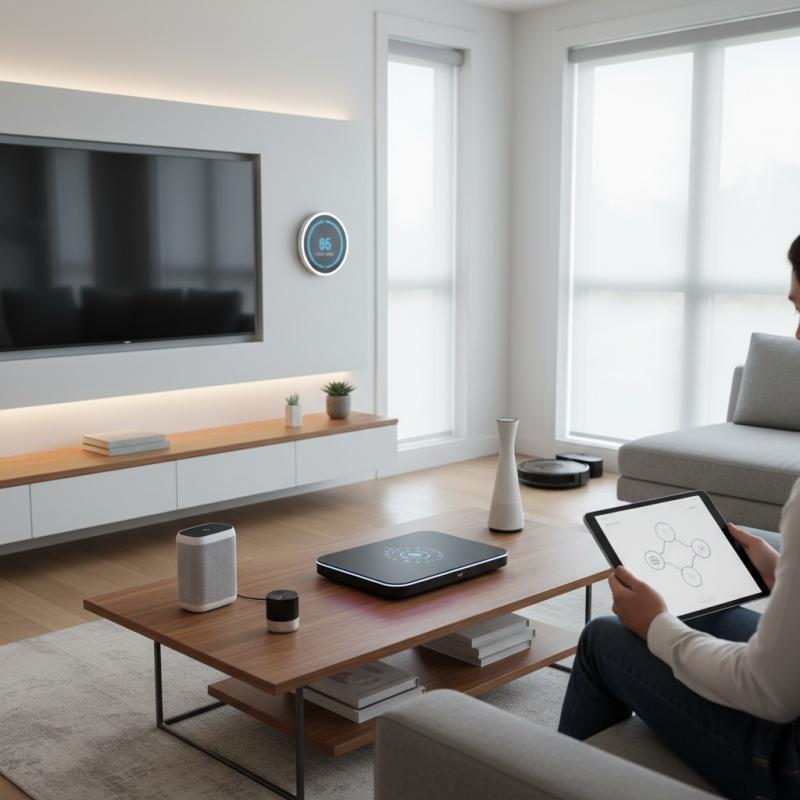
In the evolving landscape of smart homes, no hub connectors have gained significant attention in 2026. These devices simplify the connection of various smart gadgets without the need for a central hub. Users can enjoy seamless integration with various standards, leading to enhanced functionality and convenience. This approach allows for a more streamlined set-up process, especially for those new to smart home technology.
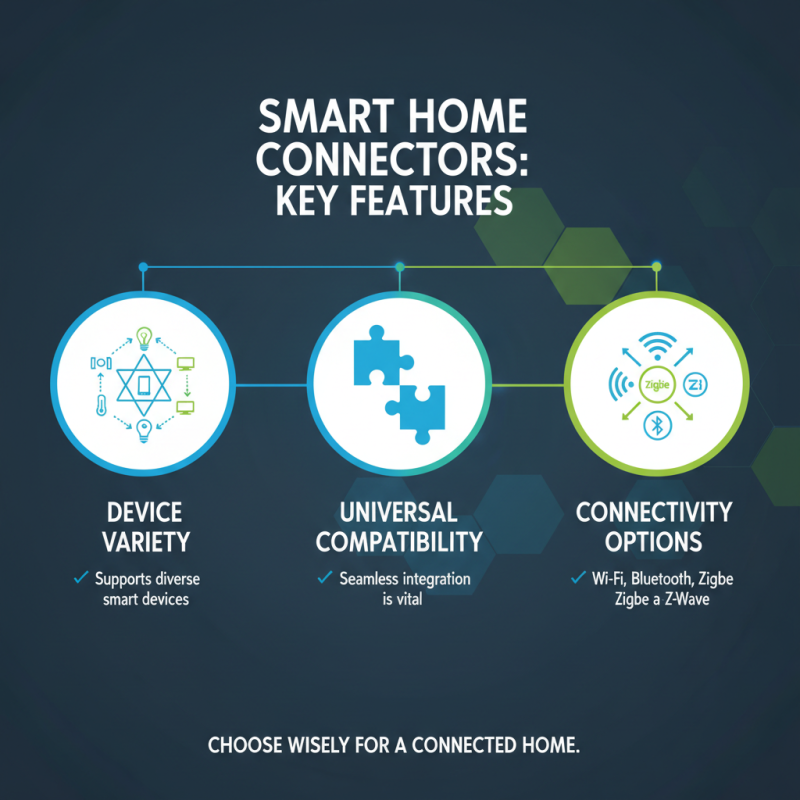
When selecting a no hub connector, consider compatibility with your existing devices. Some connectors may excel with particular protocols, making compatibility an essential factor. Ensure that your smart devices can communicate effectively with the connector. Additionally, examine the range and reliability of the network it creates. A strong, stable connection is key to experiencing the full benefits of a smart home.
Tips: Always check for software updates. Updated firmware ensures optimal performance and security. Explore user reviews, too. Feedback from others can reveal real-world strengths and weaknesses of no hub connectors. Sometimes the specifications look great, but the actual performance might disappoint. Stay informed to find the best options available for your needs.
2026 Best No Hub Connector Options for Your Smart Home
| Connector Type |
Compatibility |
Wireless Protocol |
Features |
Average Price (USD) |
| Zigbee Connector |
Smart Lights, Sensors |
Zigbee |
Voice Control, Scheduling |
49.99 |
| Wi-Fi Connector |
Cameras, Plugs |
Wi-Fi |
HD Video, Remote Access |
59.99 |
| Bluetooth Connector |
Speakers, Thermostats |
Bluetooth |
Audio Control, Energy Monitoring |
39.99 |
| Thread Connector |
Smart Sensors, Lighting |
Thread |
Mesh Networking, Low Power |
44.99 |
| Matter Connector |
Various Devices |
Matter |
Interoperability, Security |
69.99 |
Top Brands Offering No Hub Connectors for Smart Home Integration
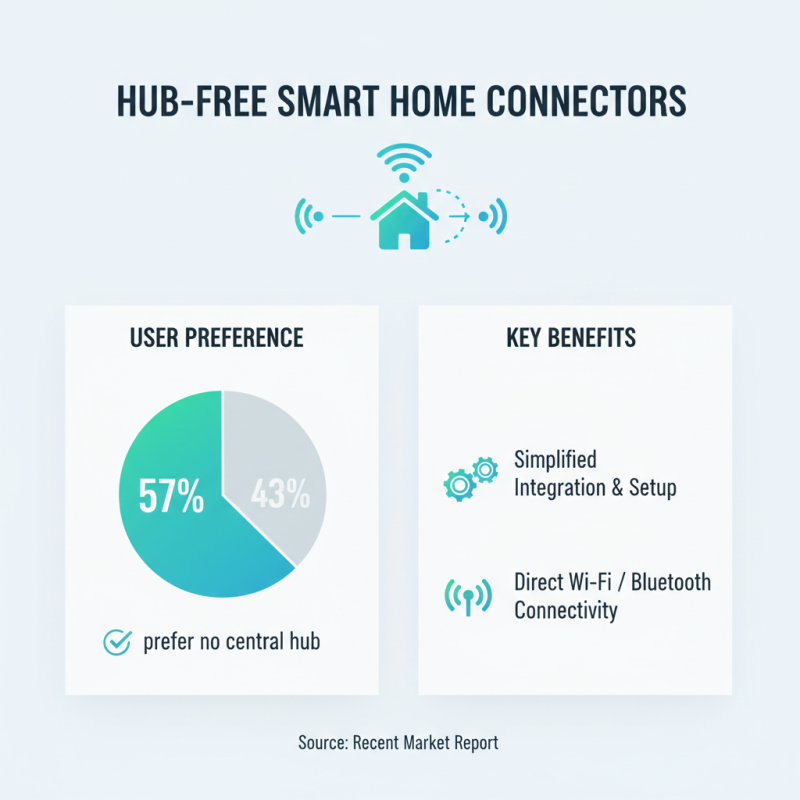
As smart home technology evolves, the demand for no hub connectors grows. A recent market report highlights that 57% of users prefer devices that do not require a central hub. These systems simplify integration and reduce setup complexity. They offer the flexibility to connect directly to Wi-Fi or Bluetooth, making them highly appealing.
Several major players are now focused on launching no hub solutions. Their devices promise seamless communication across various platforms. According to a home automation study, 43% of consumers expressed frustration with hub-related issues. This disappointment has pushed brands to innovate and enhance user experience. The rise of these connectors also reflects a shift in consumer preferences toward simplicity.
Yet, there are challenges. Compatibility issues can still arise. Some devices may not work well together, leading to a fragmented experience. Additionally, while no hub connectors offer convenience, they can sometimes limit functionality. Users must carefully consider their needs before investing. The market continues to evolve, leaving room for improvement and reflection on how to better serve smart home enthusiasts.
Comparative Analysis of Popular No Hub Connector Models
When considering no hub connector options for a smart home, the variety can be overwhelming. A no hub connector allows devices to communicate directly, increasing efficiency. Most are easy to install, with simple Bluetooth or Wi-Fi connectivity. Yet, some models may lack range, limiting their effectiveness in larger homes.
Connectivity is often a priority. Some connectors perform better in crowded environments, while others falter with interference. Compatibility with existing devices is vital. Check if your current devices support the chosen model. Even popular choices may not work seamlessly with every gadget in your home. For instance, a connector might struggle with older models or niche brands.
Another factor to consider is scalability. Some connectors offer more room for expansion. Yet, they may come with a steeper learning curve. It's worth examining how future-proof your choice is. While many users report satisfaction, some experience disconnections or setup frustrations. Always read reviews to gauge real user experiences before purchasing.
Future Trends in No Hub Connectors and Smart Home Technology
No hub connectors have gained traction in smart home technology. They facilitate direct communication among devices, eliminating the need for a central hub. As per recent market studies, the no hub segment is expected to grow by 15% annually until 2026. This trend aligns with consumer demand for seamless connectivity and simplicity.
Yet, challenges linger. Compatibility among devices remains an issue. While many products advertise no hub requirements, integration can be inconsistent. Research indicates that nearly 30% of users experience difficulties in setting up their smart devices. This reflects a need for improved standards across the market.
Future trends suggest a shift towards more robust ecosystems. Advances in artificial intelligence are likely to enhance device coordination. Users desire solutions that are both intuitive and reliable. Additionally, energy efficiency will play a significant role. Innovators must consider sustainability as they develop these technologies. Expectations may not always meet reality. The evolving landscape requires continuous adaptation from consumers and manufacturers alike.
2026 Best No Hub Connector Options for Your Smart Home