2026 Best Ducting Clips for Efficient HVAC Solutions?
In the world of HVAC systems, efficiency is key. One important component that often gets overlooked is Ducting Clips. These small but essential tools play a significant role in the overall performance of heating and cooling systems. They secure ductwork firmly in place, preventing air leaks and improving airflow.
Choosing the right Ducting Clips can make a real difference in energy consumption. Poor clip selection may lead to inefficient repairs or costly energy waste. The importance of quality and durability cannot be overstated. It's frustrating to install new clips only to find they weaken quickly.
However, not all clips meet the high standards needed for optimal performance. Different environments and duct sizes require specific clips. When evaluating options, consider material, size, and strength. Reflect on how often systems are serviced and the potential costs of using subpar clips. Your choice of Ducting Clips directly impacts HVAC efficiency and, ultimately, comfort in your space.
Overview of Ducting Clips in HVAC Systems
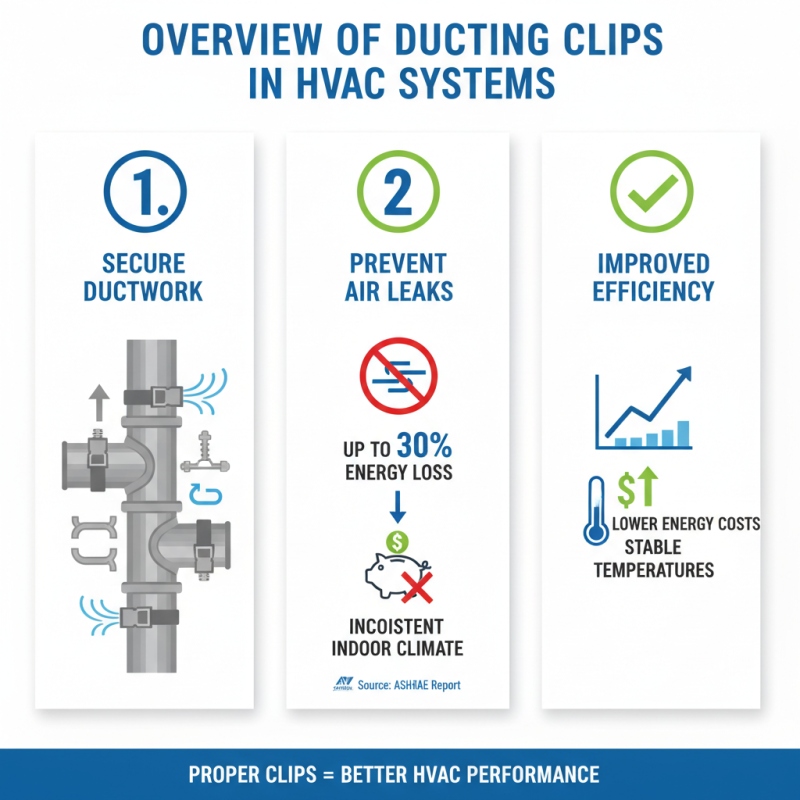
Ducting clips play a crucial role in HVAC systems. They ensure that ductwork remains secure and prevents air leaks. A report from the American Society of Heating, Refrigerating and Air-Conditioning Engineers states that air leaks can reduce HVAC efficiency by up to 30%. This inefficiency leads to higher energy costs and inconsistent indoor climates. Proper ducting clips can mitigate these issues.
The selection of ducting clips requires careful consideration. Not all clips fit every type of duct material. Some clips may not hold up under extreme temperatures or humidity. A study by the Air Conditioning Contractors of America highlights that using inappropriate clips can increase installation time and costs by 15%. Regular inspections are essential. Wear and tear can compromise even high-quality clips.
In practice, many installers overlook the importance of ducting clips. They might prioritize other components, resulting in subpar setups. This neglect can create problems in energy consumption and system longevity. Finding a balance in clip selection and installation is key. Educating technicians on the impact of these simple components can lead to improved HVAC performance overall.
Types of Ducting Clips for Various Applications
When it comes to HVAC solutions, selecting the right ducting clips is essential. Different applications require different types of clips. For instance, standard metal clips work well for rigid ductwork, providing stability and support. Conversely, plastic clips are ideal for lightweight installations. They offer a cost-effective solution for various residential projects.
A recent industry report highlights that proper ducting installation can improve system efficiency by up to 30%. This efficiency gain significantly reduces energy costs. Choosing the correct clip type can contribute to achieving these savings. Additionally, improper clip use can result in air leaks, compromising system performance.
Tips: Always evaluate the weight and type of ducting before purchasing clips. Oversized clips may not secure smaller ducts effectively. Regular maintenance is important; inspect clips annually for signs of wear. Ensuring a secure fit is crucial to maintain system integrity and efficiency, which can often be overlooked. It's these small details that can lead to larger issues in HVAC systems.
Key Features to Consider When Choosing Ducting Clips
When choosing ducting clips for HVAC systems, several key features should be considered.
Material quality is crucial. Clips made from durable, weather-resistant materials perform better in various environments.
Stainless steel offers long-lasting strength. Plastic clips may not withstand higher temperatures. Think about your specific needs.
Size is another important factor. Clips must fit the ducts securely, preventing air leaks.
A loose clip leads to inefficiency. Measure your ducts accurately before purchasing.
Ease of installation is vital too. Some clips are easier to install than others.
Choosing user-friendly designs can save time and effort.
Don't forget about the clip's load capacity. Over time, clips may degrade and lose their holding strength.
It’s wise to periodically check them.
Consider clips that can handle the specific weight of your ducting materials. This ensures they remain effective over years.
While many options exist, prioritizing these features ensures a more efficient HVAC system.
Reflect on your choices regularly.
Installation Techniques for Optimal Performance
When installing ducting clips for HVAC systems, proper technique is crucial. It ensures optimal airflow and system efficiency. Begin by selecting the right clips for your duct size. Clips that are too tight can cause damage. Clips that are too loose won’t secure ducts properly. Finding the right fit requires careful measurement and testing.
Ensure that your installation surface is clean. Dust and debris can interfere with adhesion. Aim for a tight grip between the clip and the duct. After securing the clips, check for any insulation gaps. This can lead to heat loss and increased energy bills. Take time for this step; small oversights can cost you later.
Tip: Always use a level when installing ducts. This prevents airflow blockages. Additionally, consider the placement of ducts. Some areas may need more support than others. Monitor your work as you go. Regular checks can highlight potential issues early on. It’s better to fix problems than to face bigger repairs later.
2026 Best Ducting Clips for Efficient HVAC Solutions
| Clip Type |
Material |
Size (Diameter) |
Max Temperature |
Installation Technique |
Performance Rating |
| Standard Duct Clip |
Plastic |
4 inches |
200°F |
Push fit |
4.5/5 |
| Heavy Duty Clip |
Metal |
6 inches |
300°F |
Screw installation |
4.8/5 |
| Quick Release Clip |
Nylon |
5 inches |
180°F |
Snap system |
4.3/5 |
| Adjustable Duct Clip |
Aluminum |
Flexible |
250°F |
Clamp-on |
4.6/5 |
| Compact Clip |
Plastic |
3 inches |
220°F |
Stick-on |
4.2/5 |
Maintenance Tips for Long-lasting Ducting Clips
Maintaining ducting clips is crucial for efficient HVAC performance. Regular inspections can prevent tiny issues from becoming major problems. You should check for wear and tear regularly. Look for rust or deformation. These signs can indicate that clips need replacing soon.
Cleaning clips can extend their lifespan. Dust and debris can accumulate over time. A damp cloth can be effective for cleaning. Make sure to dry them afterward. Moisture leads to corrosion. If clips are damaged, they can affect airflow. This can result in increased energy bills.
Using the right size clips is essential. Oversized clips can cause airflow obstruction. Conversely, clips that are too small may not hold securely. If you notice strange noises or inefficiencies, it might be time to reassess your clips. It's a simple step, yet often overlooked in upkeep routines. Regular maintenance ensures stability and efficiency.
2026 Best Ducting Clips for Efficient HVAC Solutions
This bar chart illustrates the ratings of various aspects of ducting clips for HVAC solutions in 2026. Key attributes include material quality, ease of installation, durability, cost-effectiveness, and user ratings, providing a comprehensive overview for consumers and professionals alike.