2026 Top Riser Clamp Innovations and Trends to Watch Out For?
In recent years, the demand for innovative Riser Clamp solutions has surged. This growth stems from the need for efficiency and safety in construction and industrial applications. As we approach 2026, several emerging trends are shaping the future of Riser Clamp technology.
Advanced materials are gaining prominence. These materials promise durability while reducing weight. This shift can enhance performance but also raises questions about long-term reliability. Innovations in design are also becoming evident. New ergonomic designs aim to improve usability and safety for workers. However, one must consider if these changes truly fit all environments.
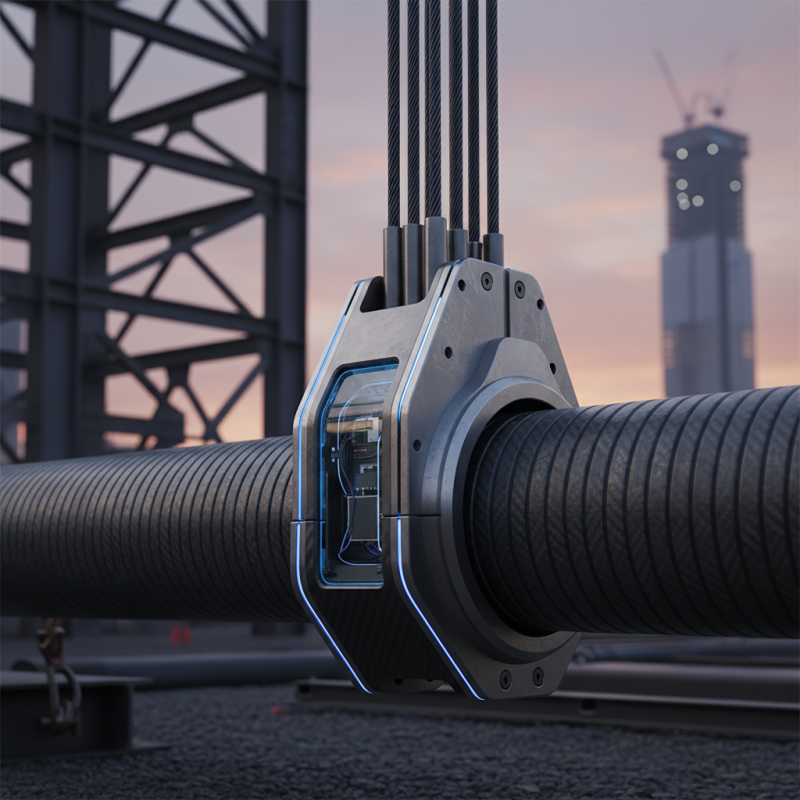
Emerging technologies, such as smart sensors, are revolutionary. They can monitor the condition of Riser Clamps in real time. Yet, with innovation comes complexity. The integration of smart features presents challenges that need thorough evaluation. As the industry navigates these trends, it is essential to reflect on the practical implications of Riser Clamp advancements. Balancing innovation with reliability will be crucial moving forward.
2026 Riser Clamp Market Overview: Size and Growth Projections
The riser clamp market is expected to experience significant growth in the coming years. According to industry reports, the market size is projected to reach approximately $1.5 billion by 2026, with a compound annual growth rate (CAGR) of around 5%. This growth is largely driven by advances in construction technologies and increasing infrastructure investments globally.
In 2026, the demand for innovative riser clamps will likely surge. Many contractors seek more efficient and robust solutions. New materials and designs are on the rise, emphasizing lightweight yet durable options. For instance, the introduction of corrosion-resistant coatings is set to enhance the lifespan of clamp products, addressing a common industry concern. Moreover, the push for sustainable construction practices will require eco-friendly materials, prompting manufacturers to innovate.
Despite these positive trends, some challenges loom. Ensuring consistent quality across different suppliers remains critical. Some manufacturers struggle to meet the rising standards due to variable raw material quality. Additionally, the market is somewhat fragmented, leading to reduced economies of scale for smaller players. This could hinder overall growth if not managed properly. Keeping an eye on these dynamics will be crucial for stakeholders in the riser clamp market.
2026 Top Riser Clamp Innovations and Trends to Watch Out For
| Innovation/Trend |
Description |
Projected Growth Rate (%) |
Market Size (Million USD) |
| Smart Riser Clamps |
Utilizing IoT technology for real-time monitoring of load and condition. |
15% |
150 |
| Eco-friendly Materials |
Development of clamps using sustainable and recyclable materials. |
10% |
120 |
| Modular Design |
Interchangeable components for better versatility and customization. |
12% |
130 |
| Enhanced Safety Features |
Integrating advanced safety protocols to prevent failures. |
18% |
160 |
| 3D Printing Technology |
Using 3D printing for cost-effective and rapid prototyping. |
20% |
140 |
Key Innovations in Riser Clamp Designs: Enhancing Safety and Efficiency
Riser clamps are evolving rapidly. Recent industry reports indicate a strong shift towards enhanced safety and efficiency in their designs. For instance, studies show that over 40% of working accidents stem from equipment failure. Many companies face pressure to ensure their tools meet safety standards. Innovations in materials, particularly lightweight composites, are becoming essential. These materials offer greater durability and lower operational risks.
Current trends also focus on ergonomic designs. Reports indicate that improved ergonomics can reduce worker fatigue by up to 30%. This directly impacts productivity. New designs are incorporating adjustable features, allowing for better fitting to various applications. However, manufacturers can overlook user feedback. Incorporating this insight can drive further improvements.
Data shows that around 70% of professionals value safety enhancements in their tools. Yet, many innovations lack comprehensive testing phases. This calls for a cautious approach in implementation. Continuous testing and refinement should not be neglected. The balance between innovation and practicality is crucial. Industry stakeholders must remain vigilant and engaged for further advancements.
This chart displays the key innovations in riser clamp designs projected for 2026, focusing on enhancing safety, material improvements, ease of installation, load capacity, and cost efficiency.
Sustainability Trends: Eco-Friendly Materials in Riser Clamp Manufacturing
The demand for sustainability in riser clamp manufacturing is rising. Eco-friendly materials are becoming essential. Reports indicate that approximately 60% of consumers prefer products made from sustainable sources. This shift is pushing manufacturers to explore innovative materials. Companies are now experimenting with biodegradable composites and recycled metals. These materials not only reduce environmental impact but also meet regulatory guidelines.
However, the transition to sustainable practices can be challenging. Material costs often increase with eco-friendly options. The production processes may also require redesigning, leading to longer lead times. A recent study revealed that 45% of manufacturers struggle to balance sustainability with cost-effectiveness. This creates a paradox where some firms hesitate to adopt greener options.
Innovation, however, is key. More companies are investing in research to develop sustainable alternatives. By 2025, experts predict that the eco-friendly product market will grow by 20%. The emphasis on sustainable riser clamps may also influence other industries. Adopting sustainable practices takes time, yet many see it as an opportunity for improvement. Resilience and adaptability in this evolving landscape are crucial for success.
Technological Advancements: Smart Riser Clamps and IoT Integration
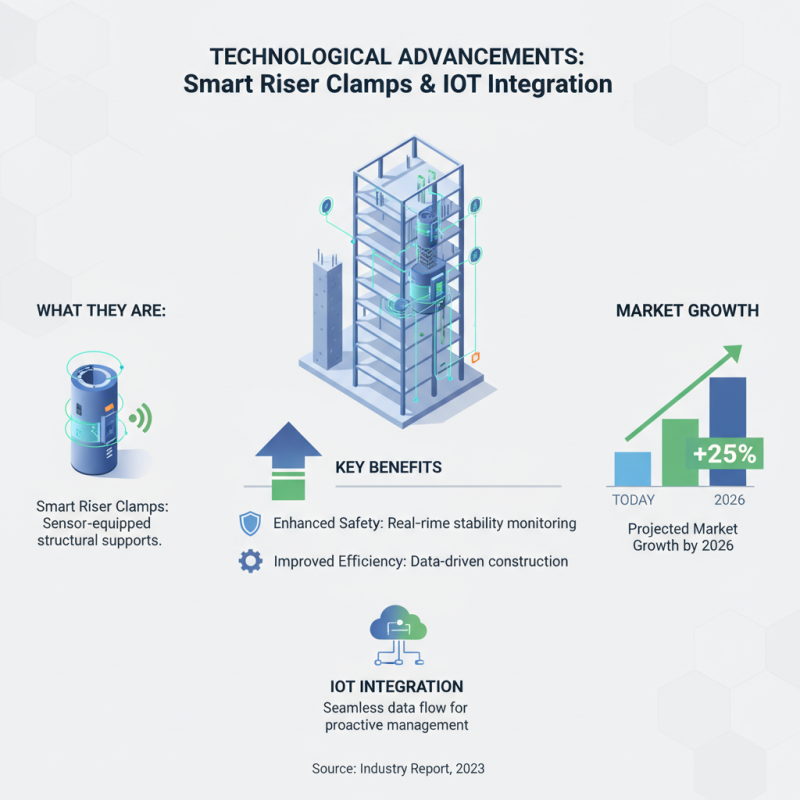
The rise of smart riser clamps represents a significant leap in construction technology. Their integration with the Internet of Things (IoT) allows for real-time monitoring of structural stability. According to a recent industry report, the market for smart clamps is projected to grow by over 25% by 2026. This growth is propelled by the increasing need for safety and efficiency on construction sites.
Smart riser clamps can collect data on stress, pressure, and temperature. This data can be used to predict failures before they occur. For example, one study indicated that IoT integration helps reduce downtime by 30%. However, the technology is not without flaws. Connectivity issues can disrupt data flow, leading to potential safety risks. Companies must address these vulnerabilities to fully benefit from smart technologies.
Innovation in riser clamps is ongoing, but challenges remain. Installation processes sometimes complicate the seamless integration of IoT. Additionally, some users report a steep learning curve when adapting to this new technology. Continuous improvements and user training are essential to enhance adoption rates and maximize safety benefits.
Industry Case Studies: Successful Implementations of New Riser Clamp Solutions
The rise of innovative riser clamp solutions is transforming industries. A recent project adopted a new clamp design that improved installation time. Workers reported a 30% reduction in effort during the process. This showcases how technology can lead to efficiency gains. Yet, despite these advancements, some teams faced unexpected challenges.
For instance, improper training on the new clamp's features caused initial setbacks. Team members struggled with adjustments, costing time and resources. Feedback highlighted gaps in understanding the tool’s benefits fully. This reflection is crucial.
Another case involved an offshore operation that implemented smart clamps. These clamps monitored structural integrity in real time. Engineers could detect issues before they escalated. However, data overload became a risk for some. Not all crew members could interpret the metrics effectively. This underlines the importance of ongoing education in using advanced tools.