2026 Top Pipe Clamp Holder Innovations and Trends for Efficient Use?
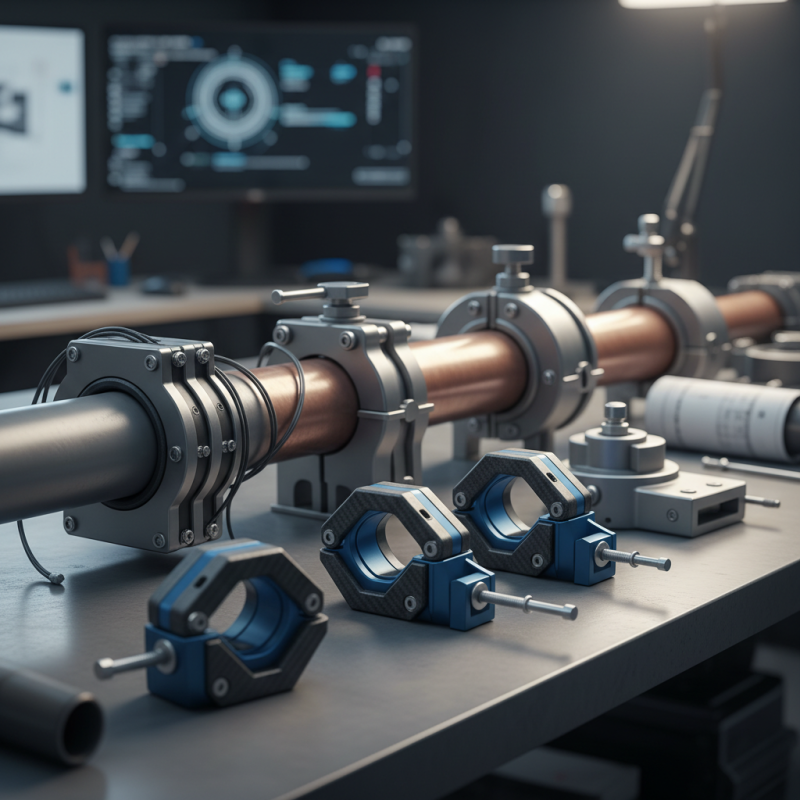
In the evolving landscape of manufacturing and construction, the "Pipe Clamp Holder" has become essential for efficient operations. Industry expert John Smith, a leading engineer at Schuster Tech, emphasizes, "The right Pipe Clamp Holder adapts to various project requirements, enhancing productivity." This innovation is crucial for stability and ease of use.
The latest trends showcase advancements in materials and design. Lightweight yet robust options are entering the market, allowing for better adaptability. However, some designs still fail to meet industry standards, which raises questions about reliability.
As the industry progresses, the need for durable and versatile Pipe Clamp Holders remains vital. Awareness of emerging technologies can help professionals select the best solutions. Despite improvements, continual assessment of existing products is necessary for optimum performance.
Overview of Pipe Clamp Holders and Their Applications
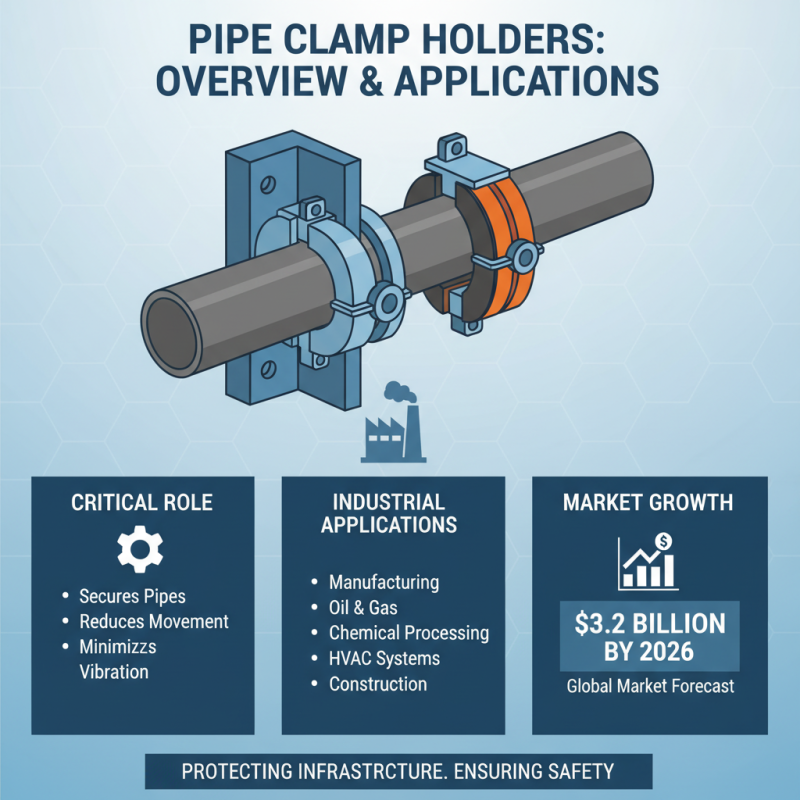
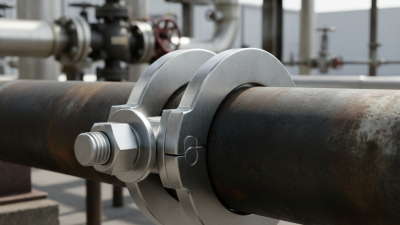
Pipe clamp holders play a critical role in various industrial applications. These devices secure pipes, reducing movement and vibration, which can damage infrastructure. A recent report indicated that the global pipe clamp market is expected to reach $3.2 billion by 2026, reflecting a growing awareness of their importance across industries.
In construction and manufacturing, pipe clamp holders ensure safety and efficiency. They are vital in plumbing, HVAC, and automotive sectors. Properly securing pipes prevents leaks and enhances system performance. However, there are challenges to consider. Misapplication or inadequate installation can lead to failures. For instance, improper alignment can increase stress points, potentially causing damage.
Another concern is material selection. Different environments require specific materials for optimal performance. Corrosion can occur in certain conditions, so producers are exploring advanced materials. According to industry insights, innovation in composite materials could transform pipe clamp durability, offering better resistance over time. Continuous research is essential to understand these trends and avoid outdated practices.
Key Innovations in Pipe Clamp Holder Technology for 2026
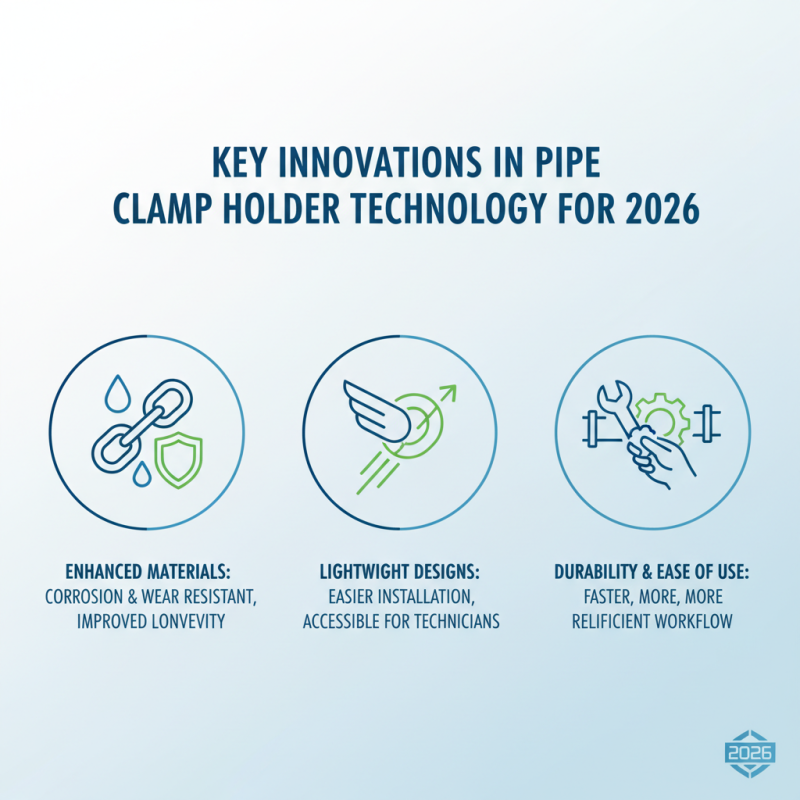
In 2026, pipe clamp holder technology is set to evolve significantly. Innovations will focus on durability and ease of use. Enhanced materials will resist corrosion and wear, improving longevity. Lightweight designs will ease installation, making clamps more accessible for technicians.
Another key trend is ergonomic design. Users need tools that reduce strain during use. Adjustable features will allow a customized fit, accommodating various pipe sizes. This flexibility will boost efficiency and overall project effectiveness. Sustainability is also a priority, with eco-friendly materials gaining traction.
Despite these advancements, challenges remain. Not all users are aware of the latest developments. Education is crucial to improve adoption rates. Further, the balance between strength and weight in design needs exploration. As technology progresses, feedback from users can steer further innovation. This interaction can foster an environment of continuous improvement, addressing real-world concerns.
Trends Driving Efficiency in Pipe Clamp Holder Design
Pipe clamp holders are evolving rapidly, with trends focusing on efficiency and usability. Advanced materials such as lightweight composites are gaining traction. These materials offer strength while reducing overall weight, enhancing handling and installation. Users appreciate clamps that are easier to maneuver, especially in tight spaces.
Another emerging trend is the incorporation of smart technology. Sensors can monitor the alignment and pressure of pipes. This capability ensures optimal performance and prevents leaks. Such innovative designs appeal to industries prioritizing safety and cost-efficiency. Still, the implementation of these technologies may seem intimidating for some users.
Sustainability is also at the forefront of pipe clamp holder design. Manufacturers are exploring recycled materials and eco-friendly practices. Despite these positive steps, challenges remain in balancing durability with environmental concerns. The industry must continue to reflect on how best to merge innovation with responsibility.
Sustainable Materials and Manufacturing in Pipe Clamp Holders
The push for sustainability in manufacturing is reshaping the pipe clamp industry. Manufacturers are increasingly exploring eco-friendly materials, such as recycled plastics and biodegradable substances. These sustainable materials not only reduce environmental impact but also enhance functionality. Innovations are focusing on lightweight designs without sacrificing strength.
In addition to materials, energy-efficient production methods are gaining traction. Factories are adopting renewable energy sources, thereby decreasing their carbon footprint. These practices reflect a growing commitment to responsible manufacturing. However, challenges remain. Balancing cost and sustainability is often difficult. Not all manufacturers may be ready to make this transition.
Consumer demand plays a crucial role in this shift. As end-users become more aware of ecological issues, they prefer products made from sustainable materials. This trend pushes manufacturers to adapt or lose market relevance. Reflecting on these changes is important; the journey toward sustainability is complex and requires continuous improvement.
2026 Top Pipe Clamp Holder Innovations and Trends for Efficient Use
Future Perspectives: The Evolution of Pipe Clamp Holders in Industry
The evolution of pipe clamp holders showcases how innovation drives efficiency in various industries. These tools have always been essential for securing pipes, but their design and functionality have transformed significantly. Modern clamps now incorporate advanced materials that enhance durability and reduce wear. The introduction of adjustable designs allows for greater versatility, accommodating a range of pipe sizes seamlessly.
However, some challenges persist. While new designs promote ease of use, they may require users to adapt quickly. Not all users are trained on these innovations. Furthermore, the push for automation in pipe handling raises questions. Are traditional methods becoming obsolete? Some experienced professionals might feel apprehensive about fully embracing automation.
Looking ahead, sustainability is a major concern. Future pipe clamp holders might focus more on eco-friendly materials. This could lead to greener manufacturing processes. The question remains: will these innovations truly meet the industry's evolving needs? It's a landscape of continuous change, with both opportunities and obstacles ahead.
2026 Top Pipe Clamp Holder Innovations and Trends for Efficient Use
| Innovation |
Description |
Application Areas |
Efficiency Boost (%) |
| Smart Adjustable Clamps |
Clamps with adjustable tension metrics using IoT sensors. |
Construction, Automotive |
20% |
| Ergonomic Design Features |
Optimized grips and handling for better user experience. |
Manufacturing, Plumbing |
15% |
| Lightweight Materials |
Use of advanced composites to reduce weight without losing strength. |
Aerospace, Oil & Gas |
25% |
| Customizable Clamping Solutions |
Modular systems that enable tailored configurations for specific tasks. |
Research Labs, Production Lines |
30% |