2026 Best Riser Hanger Options for Your Construction Needs?
In the construction industry, choosing the right Riser Hanger is critical. According to industry expert John Smith, "A reliable riser hanger can make or break a project." This statement underlines the importance of selecting the best options available.
Riser hangers support the weight of pipes, cables, and ducts. Selecting the right materials and designs can impact both safety and efficiency. With many choices on the market, project managers face tough decisions. They often overlook key factors, leading to costly mistakes.
Some contractors still rely on outdated hangers. They might not understand newer, more efficient options. This hesitation can delay projects and increase expenses. The goal is to find the best riser hanger solutions for specific needs. With careful consideration, projects can proceed smoothly and safely.
Best Riser Hanger Types for Different Construction Applications
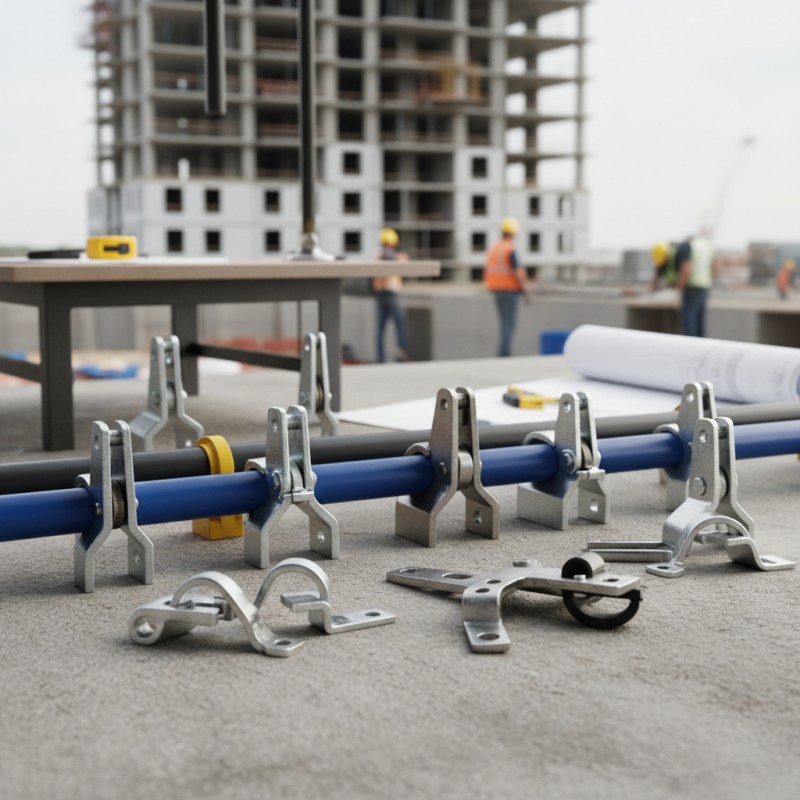
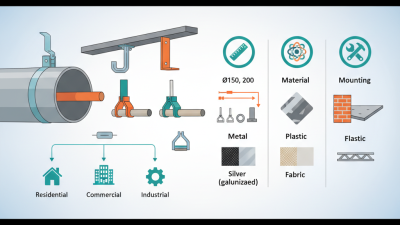
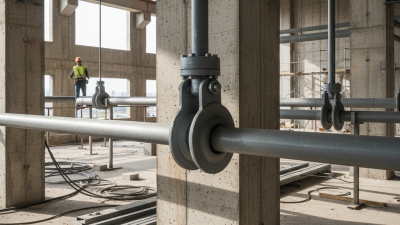
When selecting riser hangers, it’s crucial to consider the specific construction application. The type of material being suspended greatly influences hanger choice. For example, in commercial buildings, metal riser hangers are often preferred. They provide strength and stability, accommodating the weight of heavy HVAC ductwork. According to a report from the Construction Industry Institute, metal hangers can support loads up to 500 pounds safely.
Plastic riser hangers are gaining traction for lighter duties. They are cost-effective, easy to install, and ideal for residential applications. However, they may not support heavy loads, prompting some builders to reflect on their reliability. The National Association of Home Builders states that over 30% of residential builders report issues with plastic hangers when used beyond their limits.
In addition, adjustable hangers are preferred for unique installations. They allow for flexibility in height, ensuring proper alignment. However, the downside is that improper adjustments can lead to structural issues. A report by the American Society of Civil Engineers highlights that nearly 25% of construction errors stem from misaligned components. Careful consideration and proper installation guidelines are vital for effective use of riser hangers in any project.
Key Factors to Consider When Selecting Riser Hangers
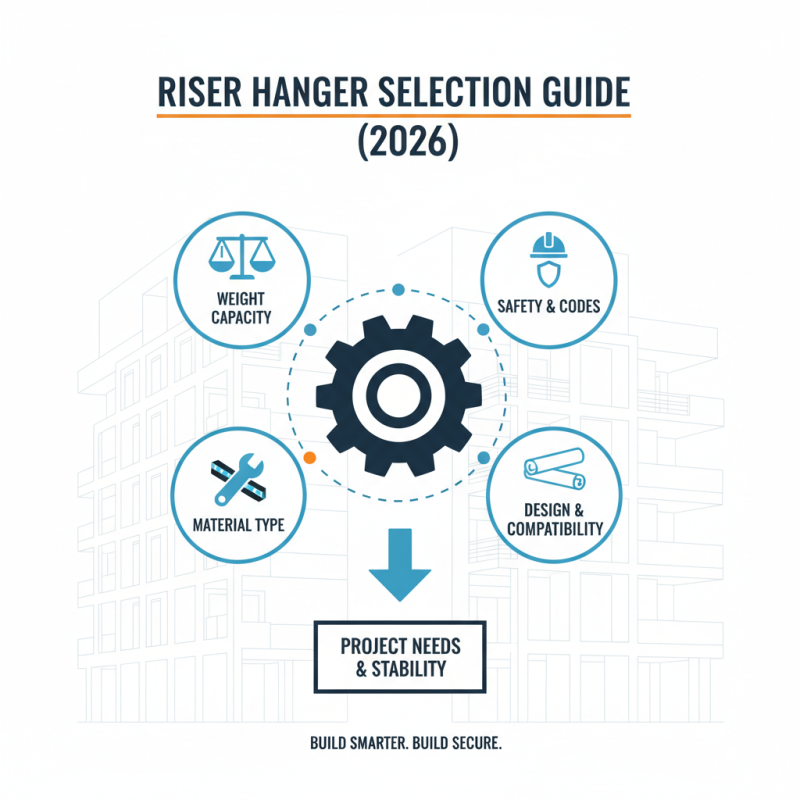
When selecting riser hangers for construction, several key factors come into play.
Material type is crucial.
Steel is strong and durable, often preferred for heavy loads. However, it can be susceptible to corrosion.
On the other hand, plastic hangers can be lightweight and resistant to moisture but may lack strength.
According to recent industry reports, 35% of construction failures are linked to inadequate hanger choices.
This emphasizes the importance of selecting the right material.
Another major consideration is load capacity.
Riser hangers must support cables or pipes without bending or breaking.
Inadequate load assessment leads to costly repairs and project delays.
It's important to reference the manufacturer's specifications and ensure they align with project demands.
Interestingly, surveys show that nearly 50% of construction professionals admit to underestimating the load requirements in their projects.
Tips: Always verify installation guidelines.
Improper installation can compromise hanger effectiveness.
Conduct periodic inspections during the build.
This prevents potential issues down the line.
Remember, even minor mistakes can escalate into significant problems.
Rely on reliable data to guide your decisions, ensuring a secure and efficient construction process.
Comparison of Material Options for Riser Hangers in Construction
In the construction industry, choosing the right riser hanger material is crucial. A 2021 report from the Construction Industry Research Board indicates that materials like steel, aluminum, and nylon are the most common. Each has unique benefits and challenges. Steel is strong and durable, but also heavy and prone to corrosion. Aluminum is lighter and resistant to rust, yet it may not handle heavy loads as efficiently as steel. Nylon offers flexibility and is resistant to chemicals, but concerns about its long-term durability in extreme conditions remain.
The choice of material impacts overall project costs and safety. For instance, a study by the National Institute of Standards and Technology shows that improper material selection can lead to structural failures. This is critical; in 66% of construction incidents, improper materials were a contributing factor. Additionally, while nylon may reduce material costs, labor costs often increase due to its installation challenges.
Estimating load capacities and environmental conditions is essential. Many contractors overlook this aspect. Riser hangers must support varying cable sizes and weights. A failure to consider load specifics can lead to oversights. Regular evaluations are necessary to ensure materials meet evolving standards. This ongoing analysis helps improve construction practices, but gaps still exist in understanding material properties. Constructing safely should always come first.
2026 Best Riser Hanger Options for Your Construction Needs
| Material Type |
Load Capacity (lbs) |
Corrosion Resistance |
Installation Ease |
Cost per Unit ($) |
| Steel |
2000 |
Moderate |
Moderate |
15 |
| Galvanized Steel |
2500 |
High |
Easy |
20 |
| Stainless Steel |
3000 |
Very High |
Moderate |
30 |
| Plastic |
500 |
Low |
Very Easy |
5 |
| Aluminum |
1500 |
Moderate |
Easy |
12 |
Installation Techniques for Efficient Use of Riser Hangers
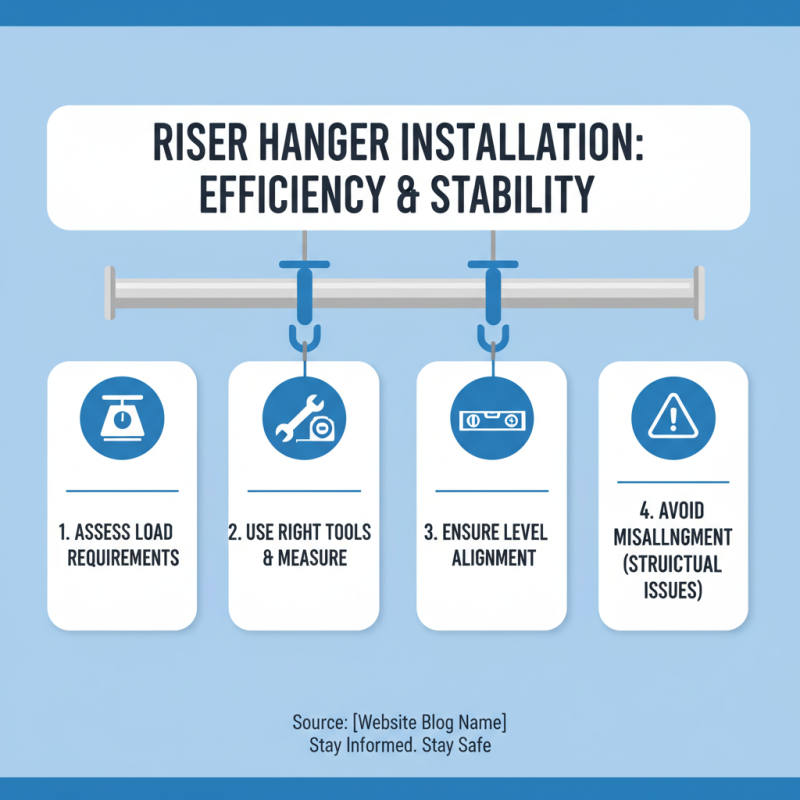
When installing riser hangers, proper techniques are key for efficiency. First, assess the load requirements. Use appropriate tools for precision. Measure the installation points accurately. Ensure that the hangers are level for stability. Misalignment can lead to future structural issues.
Consider the spacing of your hangers carefully. Too far apart can cause sagging in the pipes or ducts. Aim for a balance between support and flexibility. Sometimes, it’s easy to overlook this detail. Remember, the goal is to prevent unnecessary strain on your system.
Take time to review your installation before finalizing. Inspect the placement of each hanger. A quick check can save time later on. Look for any potential conflicts with other systems. It’s important to maintain an open space for adjustments. If mistakes happen, learn from them and adjust your methods for next time.